
Vegetable
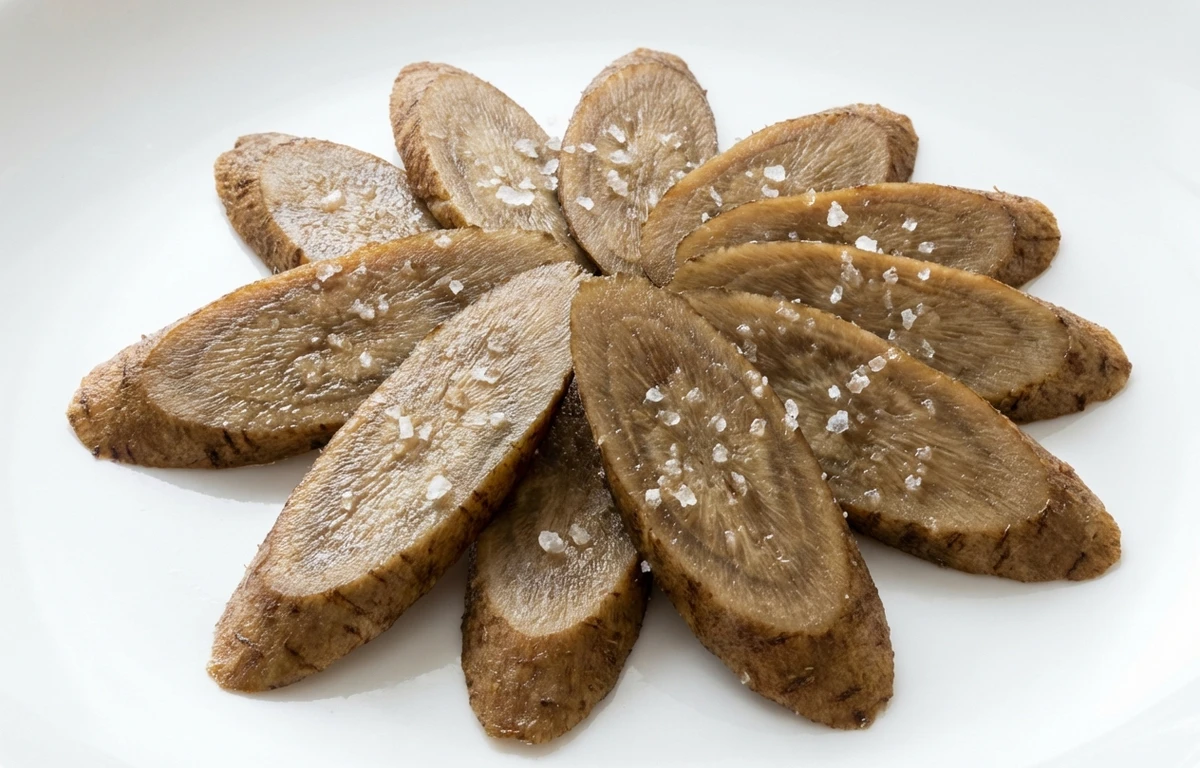
boiled salted burdock root.
VegetarianVeganGluten-freeDairy-freeNut-freePeanut-freeSoy-freeEgg-freeShellfish-freeHoney-freeAlcohol-free
SERVING
CALORIES
88
PROTEIN
2.1g
CARBS
21.1g
FAT
0.14g
FIBER
1.8g
NUTRITION PROFILE · per 100 g
Everything in this ingredient.
MACRONUTRIENTS
Calories88kcal—
Protein2.1g4%
Carbohydrates21.1g8%
Fiber1.8g6%
Sugar3.5g7%
Total fat0.14g0%
Saturated fat0.04g0%
Trans fat0g—
Cholesterol0mg0%
Water75.6g—
MINERALS
Sodium240mg10%
Potassium360mg8%
Calcium49mg4%
Iron0.77mg4%
Magnesium39mg9%
Phosphorus93mg7%
Zinc0.38mg3%
Copper0.09mg10%
Manganese0.27mg12%
Selenium0.90µg2%
VITAMINS
Vitamin A0µg0%
Vitamin C2.6mg3%
Vitamin D0µg0%
Vitamin E0.46mg3%
Vitamin K2.0µg2%
Thiamin (B1)0.04mg3%
Riboflavin (B2)0.06mg5%
Niacin (B3)0.32mg2%
Pantothenic acid (B5)0.35mg7%
Vitamin B60.28mg16%
Folate (B9)20µg5%
Vitamin B120µg0%
%DV based on a 2,000 cal diet. Source: USDA FoodData Central. A dash in the %DV column means there’s no established Daily Value for that nutrient.
MEASUREMENT CONVERSIONS
How much is what.
1 cup125g
1 tablespoon7.8g
1 teaspoon2.6g
1 ml0.5g
1 liter520.8g
HEALTH BENEFITS
Why eat it.
- ✓Rich in prebiotic fiber, particularly inulin, which supports digestive health by feeding beneficial gut bacteria.
- ✓Contains a variety of powerful antioxidants, such as phenolic acids, quercetin, and luteolin, which protect cells from oxidative stress.
- ✓Traditionally used as a diuretic and diaphoretic, helping the body eliminate excess water and toxins through urine and sweat.
- ✓Possesses anti-inflammatory properties that may help reduce inflammation in the body.
COOKING TIPS
In the kitchen.
- 1Toss the boiled salted burdock root with sesame oil, a splash of soy sauce, and toasted sesame seeds to create a simple, classic Japanese-style side dish (Kinpira Gobo).
- 2Add the pre-cooked root to stir-fries, soups, or stews during the final minutes of cooking to add a pleasant, chewy texture and earthy flavor without overcooking it.
- 3Allow the boiled root to cool, then thinly slice or julienne it to add to salads for a unique textural element.
- 4For a crispier texture, pan-fry the boiled root slices in a little oil until they are golden brown on the edges before adding them to other dishes.
STORAGE
Keep it fresh.
- Store leftover boiled burdock root in an airtight container in the refrigerator and consume within 3-4 days for optimal freshness.
- If you have excess, you can freeze the boiled burdock root in a freezer-safe bag or container for up to 3 months, though the texture may soften slightly upon thawing.
FAQ
Frequently asked questions.
Is boiled salted burdock root healthy?
Yes, it is a highly nutritious vegetable that is low in fat and rich in essential minerals. It is particularly valued for its high fiber content and potent antioxidants, though the added salt means those monitoring sodium intake should consume it in moderation.
What are the main health benefits of boiled salted burdock root?
It is a powerhouse of prebiotic fiber, specifically inulin, which promotes healthy gut bacteria and digestion. Additionally, its antioxidants like quercetin and phenolic acids help reduce inflammation and protect cells from oxidative stress.
How many calories and carbohydrates are in a 100g serving?
A 100g serving contains approximately 88 calories and 21.15 grams of carbohydrates. While it is low in calories, its carbohydrate count is moderate, largely consisting of beneficial dietary fiber.
Is boiled salted burdock root keto-friendly?
With roughly 21g of carbs per 100g, it is higher in carbohydrates than many other vegetables. While it contains significant fiber, it should be consumed in small portions if you are following a strict ketogenic diet.
Is boiled salted burdock root vegan and gluten-free?
Yes, it is naturally vegan and gluten-free. It consists simply of the root vegetable prepared with water and salt, making it safe for individuals with celiac disease or those following a plant-based lifestyle.
What does boiled salted burdock root taste like?
It has a distinct earthy, nutty, and slightly sweet flavor, often compared to artichoke or lotus root. The boiling process softens its naturally woody texture, while the salt enhances its savory, umami qualities.
How do you use boiled salted burdock root in recipes?
It is excellent in stir-fries, soups, and stews, or as a chilled side dish. Since it is already boiled and salted, it can be sliced and added directly to salads or used in traditional Japanese dishes like Kinpira Gobo.
How should I store boiled salted burdock root?
Store it in an airtight container in the refrigerator. If it was purchased in a brine, keep the root submerged in the liquid to maintain its moisture and prevent the texture from becoming too tough.
How long does boiled salted burdock root last in the fridge?
When kept in an airtight container, it typically stays fresh for 3 to 5 days. If you notice a slimy film, an off-odor, or significant discoloration, it is likely spoiled and should be discarded.
Can I freeze boiled salted burdock root?
Yes, it can be frozen for up to 3 months in a freezer-safe bag. Note that freezing may slightly alter the texture, making it softer, so it is best used in cooked dishes like soups or braises after thawing.



















