
Vegetable
boiled salted cardoon.
VegetarianVeganGluten-freeDairy-freeNut-freePeanut-freeSoy-freeEgg-freeShellfish-freeHoney-freeAlcohol-freeHalalKosher
ALSO KNOWN AS
boiled salted cardoniboiled salted cardoneboiled salted artichoke thistle
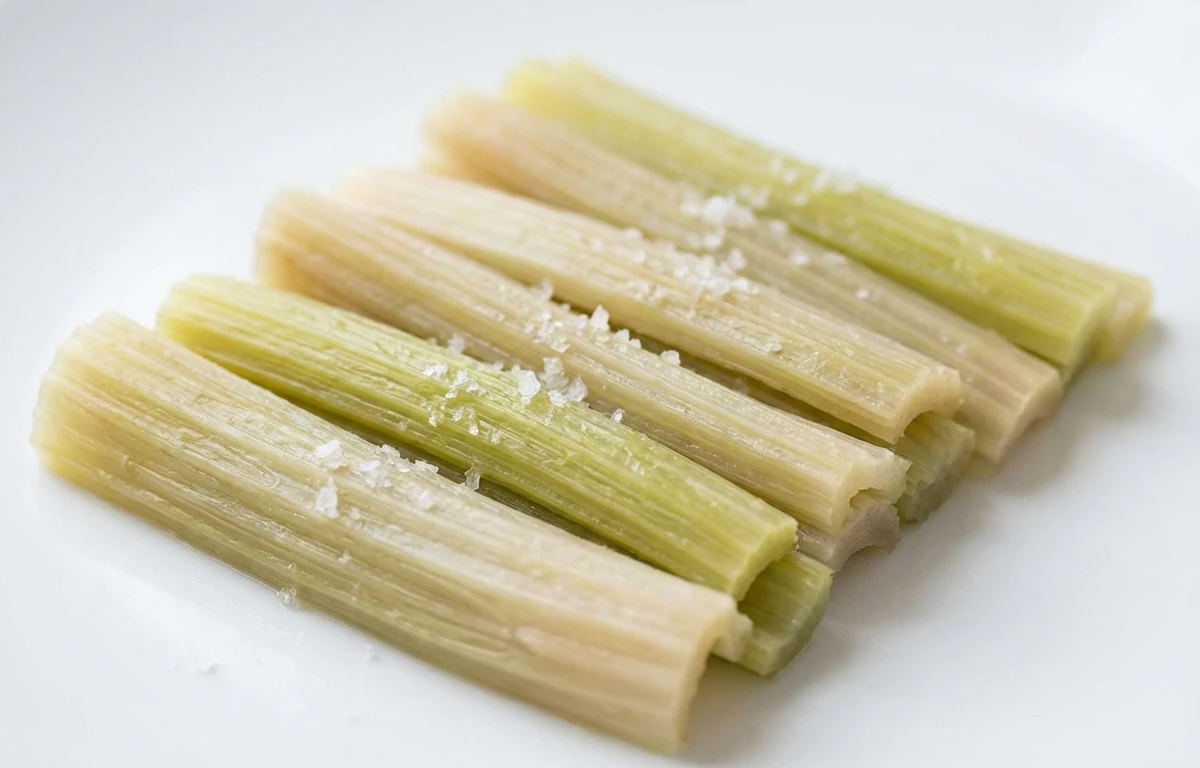
SERVING
CALORIES
22
PROTEIN
0.80g
CARBS
5.1g
FAT
0.10g
FIBER
1.6g
NUTRITION PROFILE · per 100 g
Everything in this ingredient.
MACRONUTRIENTS
Calories22kcal—
Protein0.80g2%
Carbohydrates5.1g2%
Fiber1.6g6%
Sugar0.50g1%
Total fat0.10g0%
Saturated fat0.02g0%
Trans fat0g—
Cholesterol0mg0%
Water93g—
MINERALS
Sodium320mg14%
Potassium175mg4%
Calcium70mg5%
Iron0.70mg4%
Magnesium42mg10%
Phosphorus23mg2%
Zinc0.17mg2%
Copper0.12mg13%
Manganese0.25mg11%
Selenium0.20µg0%
VITAMINS
Vitamin A0µg0%
Vitamin C2.0mg2%
Vitamin D0µg0%
Vitamin E0.19mg1%
Vitamin K14.8µg12%
Thiamin (B1)0.01mg1%
Riboflavin (B2)0.02mg2%
Niacin (B3)0.30mg2%
Pantothenic acid (B5)0.30mg6%
Vitamin B60.02mg1%
Folate (B9)46µg12%
Vitamin B120µg0%
%DV based on a 2,000 cal diet. Source: USDA FoodData Central. A dash in the %DV column means there’s no established Daily Value for that nutrient.
MEASUREMENT CONVERSIONS
How much is what.
1 cup150g
1 tablespoon15g
1 oz28.4g
1 lb453.6g
1 piece100g
HEALTH BENEFITS
Why eat it.
- ✓High in dietary fiber which aids digestion
- ✓Contains silymarin which supports liver health
- ✓Low in calories, making it ideal for weight management
- ✓Good source of folate (Vitamin B9) for cell repair
- ✓Provides essential minerals like magnesium and potassium
COOKING TIPS
In the kitchen.
- 1Boil in acidulated water (water with lemon juice) to prevent browning
- 2Ensure all tough outer strings are removed before boiling
- 3Add salt to the boiling water to enhance the natural artichoke-like flavor
STORAGE
Keep it fresh.
- Store boiled cardoons in an airtight container in the refrigerator
- Keep in their cooking liquid to prevent them from drying out
- Consume within 3 to 5 days for best quality
FAQ
Frequently asked questions.
How long do boiled cardoons last in the fridge?
Boiled cardoons will stay fresh for 3 to 5 days when stored in an airtight container in the refrigerator.
Can you freeze boiled cardoons?
Yes, you can freeze them. Drain the boiled cardoons, let them cool, and store them in a freezer-safe bag for up to 6 months.
What do boiled cardoons taste like?
They have a flavor very similar to artichoke hearts, with a slightly bitter, earthy undertone and a texture similar to celery.
What is a good substitute for cardoons?
Artichoke hearts are the best substitute. Celery can be used for texture, though the flavor is significantly different.
Why do cardoons turn brown after boiling?
Cardoons oxidize quickly. To prevent this, boil them in water with a squeeze of lemon juice or a splash of vinegar.
Are cardoons and celery the same thing?
No, while they look similar, cardoons are related to the artichoke and thistle family, whereas celery is in the apiaceae family.
How do you prepare cardoons for boiling?
Trim the leaves, peel the tough fibrous strings from the stalks (like celery), and cut into 2-3 inch pieces before boiling.
Are boiled cardoons healthy?
Yes, they are very low in calories and high in fiber, folate, and antioxidants that support liver function.
What dishes use boiled cardoons?
They are commonly used in gratins, stews, soups, or battered and fried after the initial boiling process.
Is the salt necessary when boiling?
Salt helps season the vegetable deeply and can reduce some of the natural bitterness, but it can be omitted for low-sodium diets.



















