
Vegetable
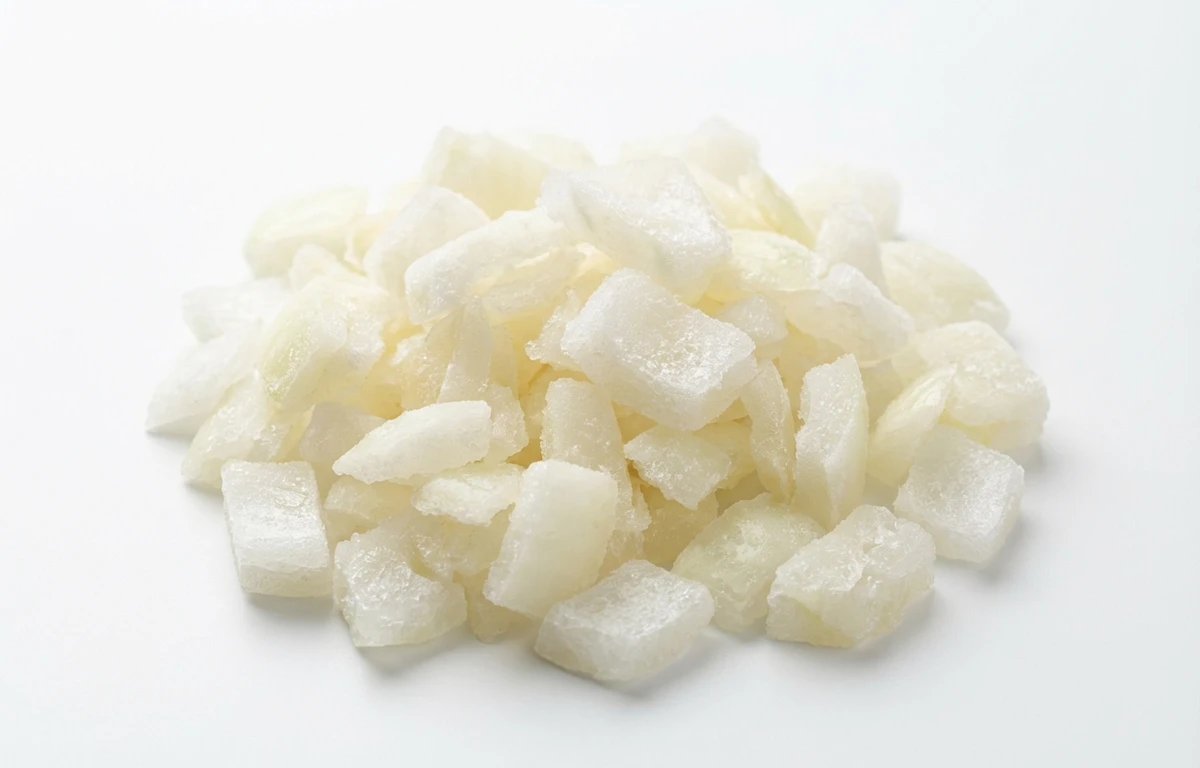
boiled salted chopped frozen onion.
VegetarianVeganGluten-freeDairy-freeNut-freePeanut-freeSoy-freeEgg-freeShellfish-freeHoney-freeAlcohol-free
SERVING
CALORIES
26
PROTEIN
0.77g
CARBS
6.0g
FAT
0.10g
FIBER
1.7g
NUTRITION PROFILE · per 100 g
Everything in this ingredient.
MACRONUTRIENTS
Calories26kcal—
Protein0.77g2%
Carbohydrates6.0g2%
Fiber1.7g6%
Sugar2.9g6%
Total fat0.10g0%
Saturated fat0.02g0%
Trans fat0g—
Cholesterol0mg0%
Water92.2g—
MINERALS
Sodium248mg11%
Potassium108mg2%
Calcium16mg1%
Iron0.30mg2%
Magnesium6.0mg1%
Phosphorus19mg2%
Zinc0.07mg1%
Copper0.02mg2%
Manganese0.07mg3%
Selenium0.40µg1%
VITAMINS
Vitamin A0µg0%
Vitamin C2.6mg3%
Vitamin D0µg0%
Vitamin E0.01mg0%
Vitamin K0.30µg0%
Thiamin (B1)0.02mg2%
Riboflavin (B2)0.03mg2%
Niacin (B3)0.14mg1%
Pantothenic acid (B5)0.10mg2%
Vitamin B60.07mg4%
Folate (B9)13µg3%
Vitamin B120µg0%
%DV based on a 2,000 cal diet. Source: USDA FoodData Central. A dash in the %DV column means there’s no established Daily Value for that nutrient.
MEASUREMENT CONVERSIONS
How much is what.
1 cup160g
1 tablespoon10g
HEALTH BENEFITS
Why eat it.
- ✓Source of antioxidants like quercetin, which helps reduce inflammation.
- ✓Contains prebiotic fibers that support a healthy gut microbiome.
- ✓May contribute to heart health by helping to lower blood pressure and cholesterol levels.
- ✓Provides convenience, potentially encouraging more frequent use of vegetables in home cooking.
COOKING TIPS
In the kitchen.
- 1Add directly from the freezer to hot dishes like soups, stews, sauces, and casseroles, as they will thaw and heat through quickly.
- 2Since they are pre-boiled and salted, they have a mild flavor and soft texture. Reduce the amount of salt you add to the recipe initially.
- 3Ideal for use as a base flavor component where texture is not critical, such as in meatloaf, stuffings, or puréed soups.
- 4Avoid using in applications that require a crisp texture, such as fresh salads or as a crunchy topping.
STORAGE
Keep it fresh.
- Keep frozen solid at 0°F (-18°C) or below in its original airtight packaging to prevent freezer burn and maintain quality.
- Once thawed, do not refreeze. Store unused portions in an airtight container in the refrigerator and consume within 2 days.
FAQ
Frequently asked questions.
Is boiled salted chopped frozen onion healthy?
Yes, it is a low-calorie vegetable source rich in antioxidants like quercetin and prebiotic fibers. These nutrients support heart health and a healthy gut microbiome, though the added salt means those monitoring sodium intake should use it in moderation.
How many calories and carbs are in this ingredient?
A 100g serving contains approximately 26 calories and 6 grams of carbohydrates. It is very low in fat (0.1g) and provides a small amount of protein (0.77g), making it a light addition to various meals.
Is this ingredient keto-friendly?
Yes, with only 6g of total carbohydrates per 100g, it can fit into a ketogenic diet when used in standard serving sizes. It is an excellent way to add flavor to keto dishes without adding significant calories or sugars.
Is boiled salted chopped frozen onion vegan and gluten-free?
Yes, this ingredient is naturally vegan and gluten-free. It consists only of onions, water, and salt, making it suitable for plant-based, celiac-friendly, and most restrictive diets.
How do I use frozen boiled onions in cooking?
Since they are already boiled and chopped, you can add them directly from the freezer into soups, stews, sauces, or casseroles. They do not require long sautéing times and are best used to add instant flavor and texture to liquid-based dishes.
What does this ingredient taste like compared to raw onions?
Boiled onions have a much milder, sweeter, and less pungent flavor than raw onions. The addition of salt enhances their savory profile, and the texture is soft rather than crunchy due to the boiling and freezing process.
Can I use this as a substitute for fresh onions in a salad?
It is not recommended as a substitute for fresh onions in salads or salsas where a crisp texture is needed. Because these onions are boiled and frozen, they are soft and best suited for cooked applications like gravies, soups, or omelets.
How should I store this ingredient and how long does it last?
Keep the onions in an airtight container or heavy-duty freezer bag in the freezer at 0°F (-18°C). They will maintain best quality for about 8 to 12 months, though they remain safe to eat indefinitely if kept constantly frozen.
Does the boiling process remove the nutrients?
While some water-soluble vitamins like Vitamin C may decrease during boiling, many antioxidants like quercetin are heat-stable and remain in the onion. The prebiotic fibers also stay intact, continuing to support digestive health.
Do I need to thaw these onions before adding them to a recipe?
No, you generally do not need to thaw them. You can toss the frozen pieces directly into hot pans or boiling liquids; they will thaw and heat through rapidly because they are already chopped and pre-cooked.



















