
Vegetable
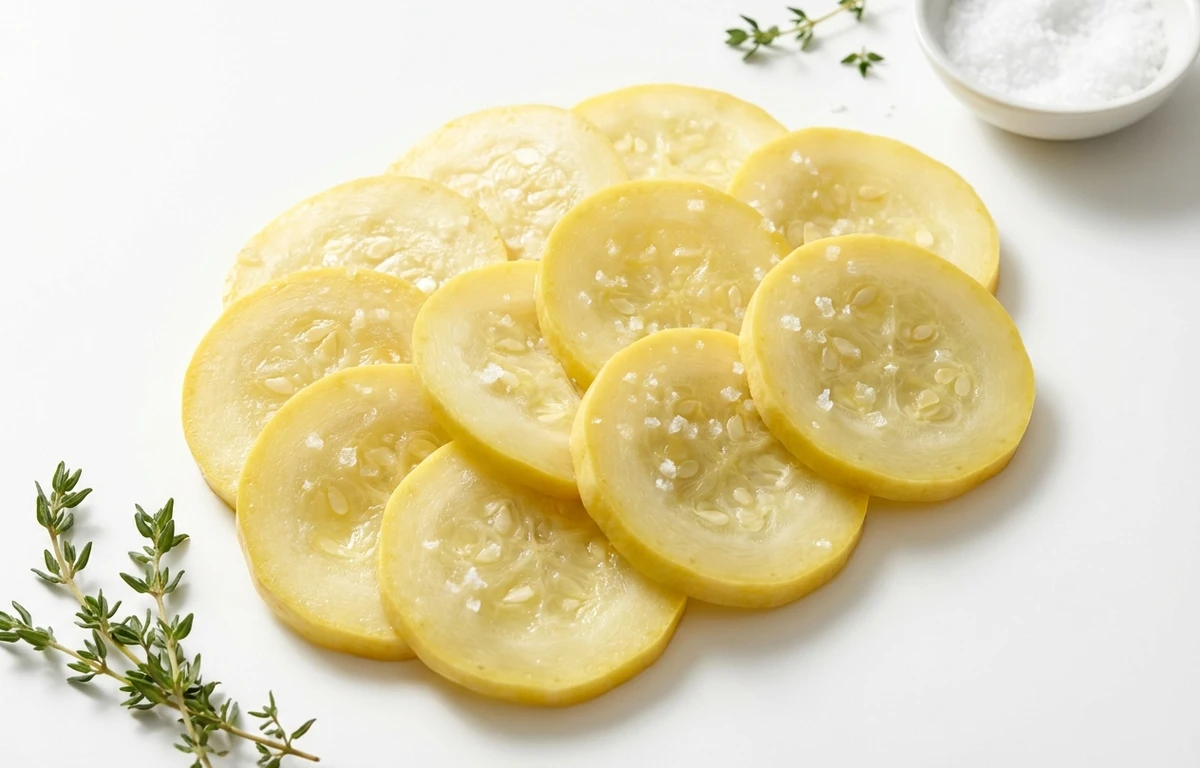
boiled salted crookneck squash.
VegetarianVeganGluten-freeDairy-freeNut-freePeanut-freeSoy-freeEgg-freeShellfish-freeHoney-freeAlcohol-free
SERVING
CALORIES
19
PROTEIN
1.0g
CARBS
3.8g
FAT
0.39g
FIBER
1.1g
NUTRITION PROFILE · per 100 g
Everything in this ingredient.
MACRONUTRIENTS
Calories19kcal—
Protein1.0g2%
Carbohydrates3.8g1%
Fiber1.1g4%
Sugar2.5g5%
Total fat0.39g1%
Saturated fat0.06g0%
Trans fat0g—
Cholesterol0mg0%
Water94.3g—
MINERALS
Sodium237mg10%
Potassium177mg4%
Calcium22mg2%
Iron0.37mg2%
Magnesium16mg4%
Phosphorus29mg2%
Zinc0.22mg2%
Copper0.07mg8%
Manganese0.16mg7%
Selenium0.20µg0%
VITAMINS
Vitamin A56µg6%
Vitamin C11.6mg13%
Vitamin D0µg0%
Vitamin E0.12mg1%
Vitamin K4.4µg4%
Thiamin (B1)0.04mg3%
Riboflavin (B2)0.03mg2%
Niacin (B3)0.51mg3%
Pantothenic acid (B5)0.32mg6%
Vitamin B60.08mg5%
Folate (B9)23µg6%
Vitamin B120µg0%
%DV based on a 2,000 cal diet. Source: USDA FoodData Central. A dash in the %DV column means there’s no established Daily Value for that nutrient.
MEASUREMENT CONVERSIONS
How much is what.
1 cup180g
1 tablespoon11.3g
1 teaspoon3.8g
1 ml0.8g
1 liter750g
HEALTH BENEFITS
Why eat it.
- ✓Rich in Vitamin C, an antioxidant that supports immune function and skin health.
- ✓Good source of manganese, which plays a role in bone formation and metabolism.
- ✓Contains dietary fiber, which aids digestion and promotes a feeling of fullness.
- ✓Provides Vitamin A (as carotenoids), which is important for vision health.
COOKING TIPS
In the kitchen.
- 1Boil until just fork-tender to prevent it from becoming overly soft and mushy.
- 2Drain thoroughly after boiling to avoid a watery final dish.
- 3Mash the boiled squash with butter, garlic powder, and herbs like dill or parsley for a simple and flavorful side dish.
- 4Use as a base for creamy soups by blending with vegetable broth and a touch of cream or coconut milk.
STORAGE
Keep it fresh.
- Store leftover boiled squash in an airtight container in the refrigerator for up to 4 days.
- For longer storage, puree the boiled squash and freeze it in freezer-safe bags or containers for up to 3 months.
FAQ
Frequently asked questions.
Is boiled salted crookneck squash healthy?
Yes, it is very healthy. It is low in calories and fat while providing essential nutrients like Vitamin C for immune support, Vitamin A for vision, and manganese for bone health.
How many calories and carbs are in boiled salted crookneck squash?
A 100g serving contains approximately 19 calories and 3.79g of carbohydrates. This makes it an excellent low-calorie and low-carb vegetable choice for most diets.
Is boiled salted crookneck squash good for weight loss?
Yes, it is highly beneficial for weight loss. Its low calorie density combined with dietary fiber helps promote satiety and fullness without adding significant calories to your meal.
Is boiled salted crookneck squash keto-friendly?
Yes, it is keto-friendly. With only about 3.79g of total carbohydrates per 100g, it can easily fit into a low-carb or ketogenic lifestyle.
Is this ingredient vegan and gluten-free?
Yes, boiled salted crookneck squash is naturally vegan and gluten-free. It contains no animal products or wheat, making it safe for those with these dietary restrictions.
What does boiled crookneck squash taste like?
It has a mild, slightly sweet, and buttery flavor. The texture is soft and tender, and the addition of salt helps to enhance its natural earthy notes.
Do I need to peel crookneck squash before boiling?
No, peeling is not necessary. The skin of the crookneck squash is thin, edible, and contains a significant portion of the vegetable's fiber and nutrients.
How long does boiled crookneck squash last in the refrigerator?
When stored in an airtight container, boiled crookneck squash will stay fresh in the refrigerator for 3 to 5 days. Ensure it has cooled completely before sealing the container.
Can you freeze boiled crookneck squash?
You can freeze it, but the texture will become much softer and watery once thawed. It is best used in soups, stews, or purees after freezing rather than as a standalone side dish.
Does boiling crookneck squash remove its nutrients?
Some water-soluble vitamins, like Vitamin C, can leach into the boiling water. To retain the most nutrients, boil the squash only until tender and avoid overcooking.



















