
Vegetable
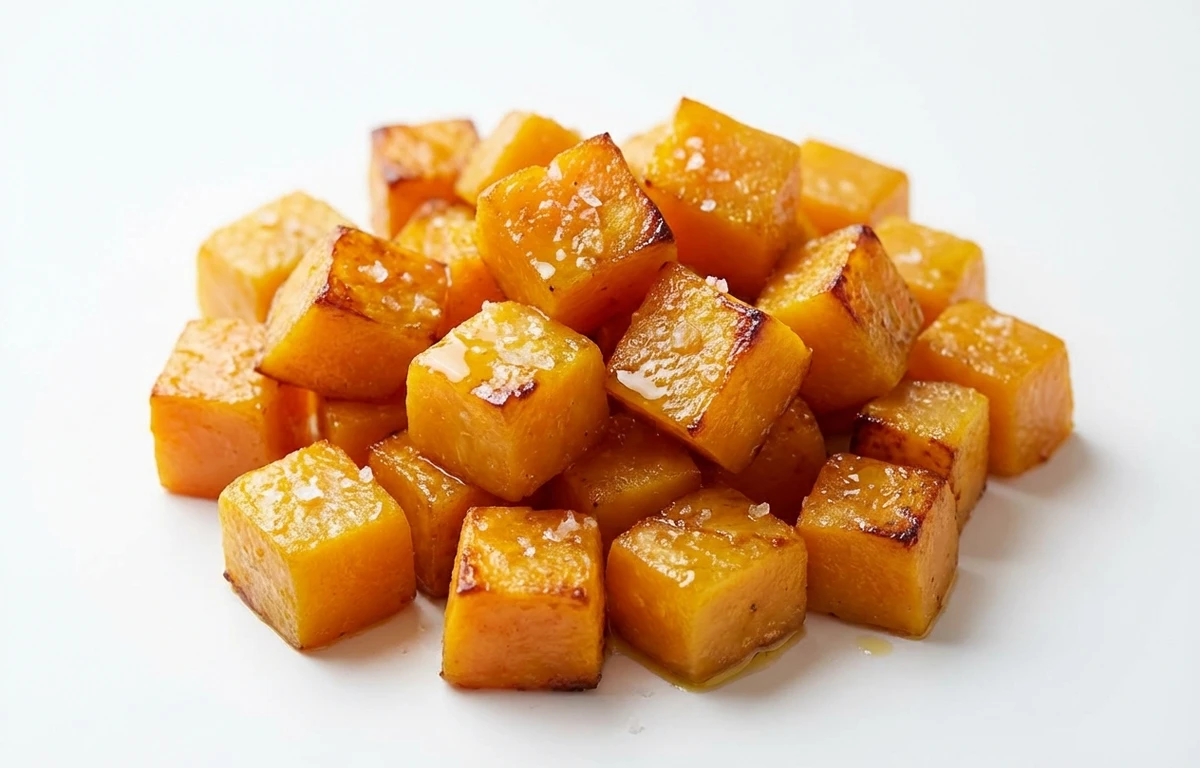
boiled salted frozen butternut squash.
VegetarianVeganGluten-freeDairy-freeNut-freePeanut-freeSoy-freeEgg-freeShellfish-freeHoney-freeAlcohol-free
SERVING
CALORIES
40
PROTEIN
0.90g
CARBS
10.5g
FAT
0.10g
FIBER
2.0g
NUTRITION PROFILE · per 100 g
Everything in this ingredient.
MACRONUTRIENTS
Calories40kcal—
Protein0.90g2%
Carbohydrates10.5g4%
Fiber2.0g7%
Sugar2.2g4%
Total fat0.10g0%
Saturated fat0.02g0%
Trans fat0g—
Cholesterol0mg0%
Water87.5g—
MINERALS
Sodium280mg12%
Potassium284mg6%
Calcium33mg3%
Iron0.60mg3%
Magnesium25mg6%
Phosphorus21mg2%
Zinc0.12mg1%
Copper0.05mg6%
Manganese0.16mg7%
Selenium0.40µg1%
VITAMINS
Vitamin A532µg59%
Vitamin C9.6mg11%
Vitamin D0µg0%
Vitamin E1.1mg7%
Vitamin K1.1µg1%
Thiamin (B1)0.05mg4%
Riboflavin (B2)0.02mg2%
Niacin (B3)0.90mg6%
Pantothenic acid (B5)0.30mg6%
Vitamin B60.13mg8%
Folate (B9)19µg5%
Vitamin B120µg0%
%DV based on a 2,000 cal diet. Source: USDA FoodData Central. A dash in the %DV column means there’s no established Daily Value for that nutrient.
MEASUREMENT CONVERSIONS
How much is what.
1 cup240g
1 tablespoon15g
1 teaspoon5g
1 ml1g
1 liter1000g
HEALTH BENEFITS
Why eat it.
- ✓Excellent source of Vitamin A (from beta-carotene), which supports vision health and immune function.
- ✓Rich in Vitamin C, an antioxidant that helps protect cells from damage and supports skin health.
- ✓Provides dietary fiber, which aids in digestion, promotes satiety, and helps regulate blood sugar levels.
- ✓Contains potassium, an essential mineral for maintaining healthy blood pressure and fluid balance.
COOKING TIPS
In the kitchen.
- 1Since it is pre-cooked and salted, reduce the amount of salt in your recipe and taste before adding more.
- 2For a smooth texture in soups, sauces, or purees, thaw the squash completely before blending.
- 3Can be added directly from frozen into simmering dishes like stews, curries, or chili, which saves thawing time.
- 4To enhance flavor and remove excess moisture, roast the thawed squash in a hot oven until it begins to caramelize before using in a recipe.
STORAGE
Keep it fresh.
- Store in the freezer at 0°F (-18°C) or below in its original packaging or an airtight container to prevent freezer burn.
- Once thawed, keep refrigerated in a sealed container and consume within 2-3 days. Do not refreeze thawed squash.
FAQ
Frequently asked questions.
Is boiled salted frozen butternut squash healthy?
Yes, it is highly nutritious. It is an excellent source of Vitamin A for vision and immune health, Vitamin C for skin and antioxidant support, and fiber for digestive health. However, because it is pre-salted, those monitoring their sodium intake should consume it in moderation.
How many calories and carbs are in this squash?
A 100g serving contains approximately 40 calories and 10.5g of carbohydrates. It is a low-calorie, nutrient-dense vegetable option with very little fat (0.1g) and a small amount of protein (0.9g).
Is boiled salted frozen butternut squash keto-friendly?
It is moderately high in carbohydrates (10.5g per 100g) compared to leafy greens. While it can be included in a keto diet in small, measured portions, it may be too high in starch for some strict low-carb regimens.
Is this ingredient vegan and gluten-free?
Yes, boiled salted butternut squash is naturally vegan and gluten-free. It consists only of the vegetable, water, and salt, making it suitable for most plant-based and allergen-sensitive diets.
How do you prepare frozen boiled butternut squash?
Since it is already boiled, you only need to reheat it. You can microwave it for 2-3 minutes, sauté it in a pan with a little olive oil, or drop the frozen cubes directly into hot soups and stews to finish cooking.
What does boiled salted butternut squash taste like?
It has a sweet, nutty flavor similar to a cross between a sweet potato and a pumpkin. The pre-added salt enhances its natural sweetness and provides a savory balance, making it ready to eat with minimal extra seasoning.
Can I use this squash for weight loss?
Yes, it is an excellent food for weight management. Its high fiber content promotes satiety, helping you feel full for longer, while its low calorie density allows for satisfying portion sizes.
How long does frozen butternut squash last in the freezer?
When stored in an airtight container or its original sealed packaging, it will maintain peak quality for 8 to 12 months. It remains safe to eat after that, though the texture may begin to degrade due to freezer burn.
How do I know if the frozen squash has gone bad?
Check for large ice crystals or a shriveled, dry appearance, which indicates freezer burn. If the squash has a dull color or develops an off-smell or slimy texture once thawed, it should be discarded.
Does the salt content affect the health benefits?
The salt does not change the vitamins or fiber content, but it does increase the sodium level. If you are on a low-sodium diet, you can rinse the thawed squash under cold water to remove some of the surface salt before eating.



















