
Vegetable
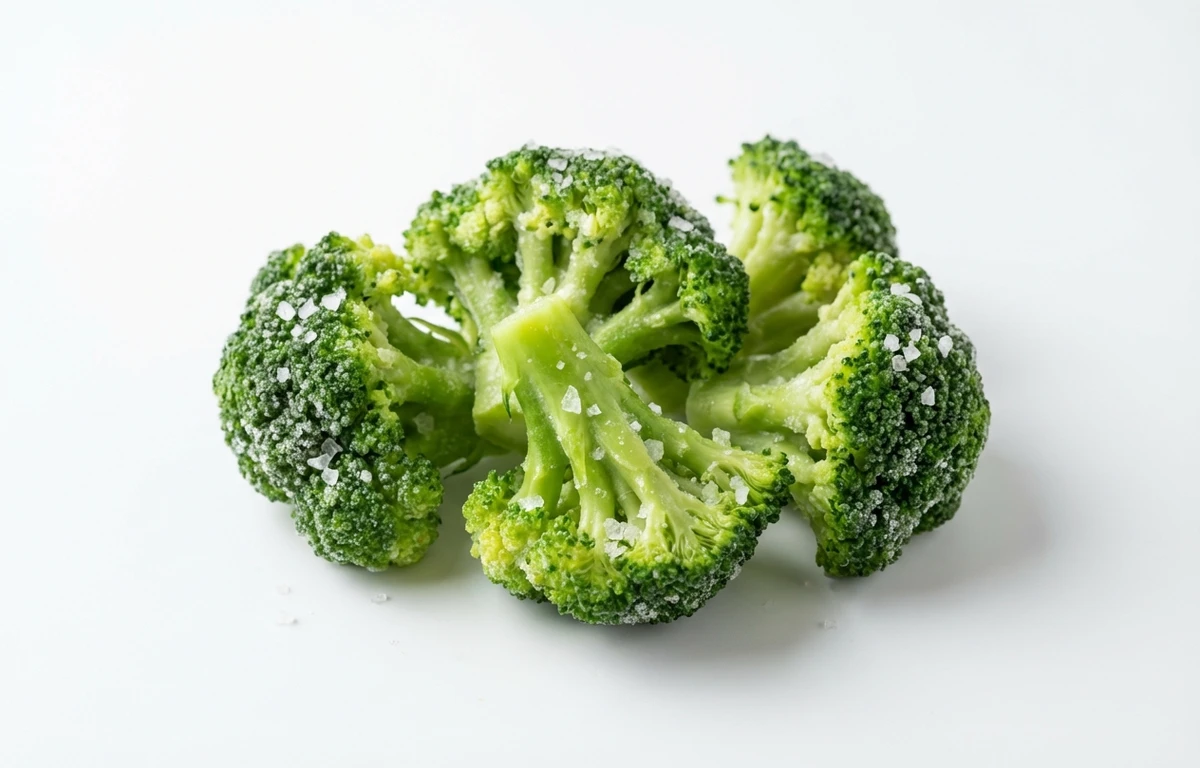
boiled salted frozen chopped broccoli.
VegetarianVeganGluten-freeDairy-freeNut-freePeanut-freeSoy-freeEgg-freeShellfish-freeHoney-freeAlcohol-free
SERVING
CALORIES
28
PROTEIN
3.1g
CARBS
5.3g
FAT
0.12g
FIBER
3.0g
NUTRITION PROFILE · per 100 g
Everything in this ingredient.
MACRONUTRIENTS
Calories28kcal—
Protein3.1g6%
Carbohydrates5.3g2%
Fiber3.0g11%
Sugar1.5g3%
Total fat0.12g0%
Saturated fat0.02g0%
Trans fat0g—
Cholesterol0mg0%
Water90.7g—
MINERALS
Sodium260mg11%
Potassium142mg3%
Calcium33mg3%
Iron0.61mg3%
Magnesium13mg3%
Phosphorus49mg4%
Zinc0.28mg3%
Copper0.03mg3%
Manganese0.22mg10%
Selenium0.70µg1%
VITAMINS
Vitamin A51µg6%
Vitamin C40.1mg45%
Vitamin D0µg0%
Vitamin E1.3mg9%
Vitamin K88.1µg73%
Thiamin (B1)0.06mg5%
Riboflavin (B2)0.08mg6%
Niacin (B3)0.46mg3%
Pantothenic acid (B5)0.27mg5%
Vitamin B60.13mg8%
Folate (B9)56µg14%
Vitamin B120µg0%
%DV based on a 2,000 cal diet. Source: USDA FoodData Central. A dash in the %DV column means there’s no established Daily Value for that nutrient.
MEASUREMENT CONVERSIONS
How much is what.
1 cup184g
1 tablespoon11.5g
1 teaspoon3.8g
1 ml0.8g
1 liter766.7g
HEALTH BENEFITS
Why eat it.
- ✓Excellent source of Vitamin C and Vitamin K, supporting immune function and bone health.
- ✓Provides dietary fiber, which aids in digestion and promotes a healthy gut microbiome.
- ✓Contains beneficial plant compounds like sulforaphane, which has antioxidant and anti-inflammatory properties.
- ✓Frozen vegetables retain most of their nutrients, offering a convenient way to increase vegetable intake.
COOKING TIPS
In the kitchen.
- 1Since it is pre-cooked (blanched), it only needs to be reheated. Add it to stir-fries, soups, or casseroles during the last few minutes of cooking to avoid overcooking.
- 2For a better texture, roast or sauté directly from frozen with a bit of oil until heated through and slightly browned.
- 3Avoid boiling again, as this can result in a mushy texture and nutrient loss.
- 4Be mindful of the existing salt content when seasoning your dish; you may need less added salt than the recipe calls for.
STORAGE
Keep it fresh.
- Store in the freezer at 0°F (-18°C) or below. Keep the bag sealed tightly to prevent freezer burn.
- Once thawed, do not refreeze. Keep refrigerated in an airtight container and use within 24-48 hours.
FAQ
Frequently asked questions.
Is boiled salted frozen chopped broccoli healthy?
Yes, it is highly nutritious, providing significant amounts of Vitamin C and Vitamin K for immune and bone health. While it is low in calories and fat, the added salt means those on low-sodium diets should monitor their portion sizes.
How many calories and carbs are in this broccoli?
A 100g serving contains approximately 28 calories and 5.35g of carbohydrates. It also provides 3.1g of protein and is virtually fat-free, making it a very nutrient-dense vegetable choice.
Is this broccoli good for weight loss?
Yes, it is an excellent food for weight management due to its low calorie density and high fiber content. The fiber helps promote satiety, keeping you feeling full for longer periods between meals.
Is boiled salted frozen chopped broccoli keto-friendly?
Yes, with only 5.35g of carbs per 100g, it fits easily into a ketogenic or low-carb lifestyle. The fiber content further reduces the net carb count, making it a staple vegetable for keto diets.
Is this product vegan and gluten-free?
Yes, this ingredient is naturally vegan and gluten-free. It consists only of broccoli, water, and salt, making it safe for individuals with celiac disease or those following a plant-based diet.
How do you prepare frozen chopped broccoli that has already been boiled?
Since it is pre-cooked, you only need to reheat it. You can microwave it for 2-3 minutes, steam it briefly, or toss it into a hot pan for a quick sauté until it reaches your desired temperature.
Do I need to add more salt when cooking this broccoli?
It is recommended to taste the broccoli after reheating before adding more salt, as it has already been salted during the initial boiling process. This helps prevent the final dish from becoming overly salty.
How long does frozen chopped broccoli last in the freezer?
Frozen broccoli typically maintains its best quality for 8 to 12 months when stored at 0°F (-18°C). While it may remain safe to eat after this time, the texture and flavor may begin to decline due to freezer burn.
How can I tell if the frozen broccoli has spoiled?
Signs of spoilage include a dull, brownish color, an unpleasant odor, or a slimy texture once thawed. Excessive ice crystals inside the bag indicate freezer burn, which affects taste and texture but not necessarily safety.
Is frozen broccoli as nutritious as fresh broccoli?
Yes, frozen vegetables are usually flash-frozen at peak ripeness, which preserves most of their vitamins and minerals. While the boiling process can cause a minor loss of water-soluble vitamins, it remains an excellent source of fiber and antioxidants.



















