
Vegetable
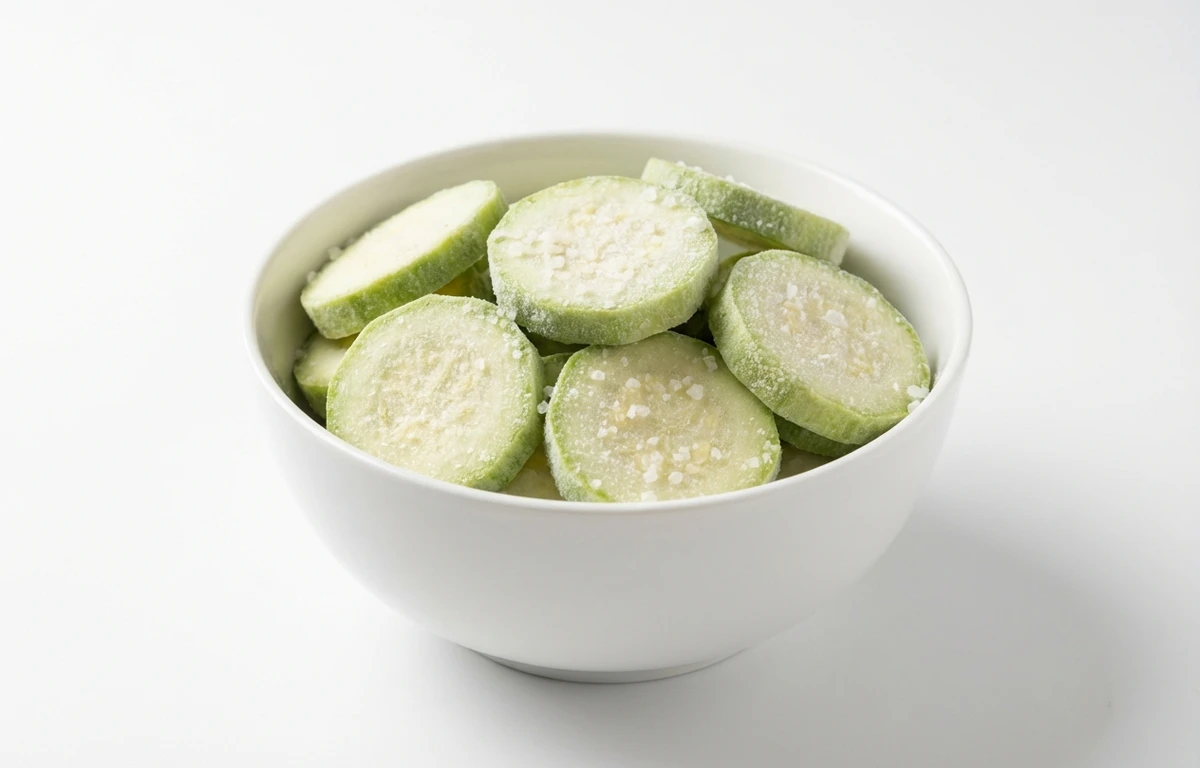
boiled salted frozen zucchini.
VegetarianVeganGluten-freeDairy-freeNut-freePeanut-freeSoy-freeEgg-freeShellfish-freeHoney-freeAlcohol-free
SERVING
CALORIES
18
PROTEIN
1.1g
CARBS
3.0g
FAT
0.13g
FIBER
1.3g
NUTRITION PROFILE · per 100 g
Everything in this ingredient.
MACRONUTRIENTS
Calories17.6kcal—
Protein1.1g2%
Carbohydrates3.0g1%
Fiber1.3g5%
Sugar1.7g3%
Total fat0.13g0%
Saturated fat0.03g0%
Trans fat0g—
Cholesterol0mg0%
Water94.7g—
MINERALS
Sodium238mg10%
Potassium194mg4%
Calcium17mg1%
Iron0.48mg3%
Magnesium13mg3%
Phosphorus25mg2%
Zinc0.20mg2%
Copper0.05mg6%
Manganese0.23mg10%
Selenium0.20µg0%
VITAMINS
Vitamin A9.0µg1%
Vitamin C3.7mg4%
Vitamin D0µg0%
Vitamin E0.12mg1%
Vitamin K4.2µg4%
Thiamin (B1)0.04mg3%
Riboflavin (B2)0.04mg3%
Niacin (B3)0.39mg2%
Pantothenic acid (B5)0.27mg5%
Vitamin B60.05mg3%
Folate (B9)8.0µg2%
Vitamin B120µg0%
%DV based on a 2,000 cal diet. Source: USDA FoodData Central. A dash in the %DV column means there’s no established Daily Value for that nutrient.
MEASUREMENT CONVERSIONS
How much is what.
1 cup223g
1 tablespoon13.9g
1 teaspoon4.6g
1 ml0.9g
1 liter929.2g
HEALTH BENEFITS
Why eat it.
- ✓High in water content, which contributes to hydration.
- ✓Provides dietary fiber, aiding in digestion and promoting gut health.
- ✓Contains antioxidants like carotenoids, which help protect the body from damage by free radicals.
- ✓A source of vitamins and minerals such as vitamin A and manganese, though levels may be reduced by processing.
COOKING TIPS
In the kitchen.
- 1Thaw and drain thoroughly before use to remove excess moisture, preventing dishes from becoming watery.
- 2Add to soups, stews, or sauces near the end of cooking time as it is already cooked and will disintegrate if overcooked.
- 3Puree thawed zucchini to add moisture and nutrients to baked goods, smoothies, or creamy soups.
- 4Sauté quickly with garlic, herbs, or other vegetables for a simple side dish, being careful not to make it mushy.
STORAGE
Keep it fresh.
- Keep frozen at 0°F (-18°C) or below in an airtight container or its original packaging to prevent freezer burn.
- Once thawed, store in the refrigerator and consume within 24-48 hours. Do not refreeze.
FAQ
Frequently asked questions.
Is boiled salted frozen zucchini healthy?
Yes, it is very healthy as it is low in calories and fat while providing essential fiber and antioxidants like carotenoids. It supports hydration and digestive health, though the added salt means you should monitor your overall sodium intake.
How many calories and carbs are in this zucchini?
A 100g serving contains approximately 14 calories and 2.97g of carbohydrates. This makes it an excellent high-volume, low-calorie food for those tracking their macronutrients.
Is boiled salted frozen zucchini keto-friendly?
Yes, it is very keto-friendly. With less than 3g of carbs per 100g, it can be easily incorporated into a low-carb or ketogenic diet without spiking blood sugar levels.
Is this ingredient vegan and gluten-free?
Yes, boiled salted zucchini is naturally vegan and gluten-free. It contains no animal products or wheat-based ingredients, making it safe for those with celiac disease or plant-based preferences.
How do you reheat or prepare frozen boiled zucchini?
The best way to reheat it is by sautéing it in a pan for a few minutes or microwaving it briefly. Since it is already boiled, avoid long cooking times to prevent the texture from becoming overly mushy.
What does boiled salted frozen zucchini taste like?
It has a very mild, slightly sweet flavor with a noticeable savory note from the salt. The texture is much softer and more tender than fresh zucchini due to the boiling and freezing process.
Can I use this as a substitute for fresh zucchini in salads?
It is not recommended for raw salads because the texture is soft and cooked. However, it works perfectly as a substitute in warm dishes like soups, stews, omelets, or as a simple side dish.
How long can I store this in the freezer?
It can be stored in the freezer for 8 to 12 months if kept in an airtight container or freezer bag. For the best taste and nutritional quality, it is ideal to consume it within 6 months.
Does the salt content make it unhealthy?
The salt acts as a preservative and flavor enhancer, but it does increase the sodium content. If you are on a low-sodium diet, you can rinse the zucchini under cold water before reheating to remove some of the surface salt.
How do I know if the frozen zucchini has gone bad?
Check for signs of heavy freezer burn, such as large ice crystals or shriveled, dry patches. If the zucchini has an off-smell or a slimy texture once thawed, it should be discarded.



















