
Legume
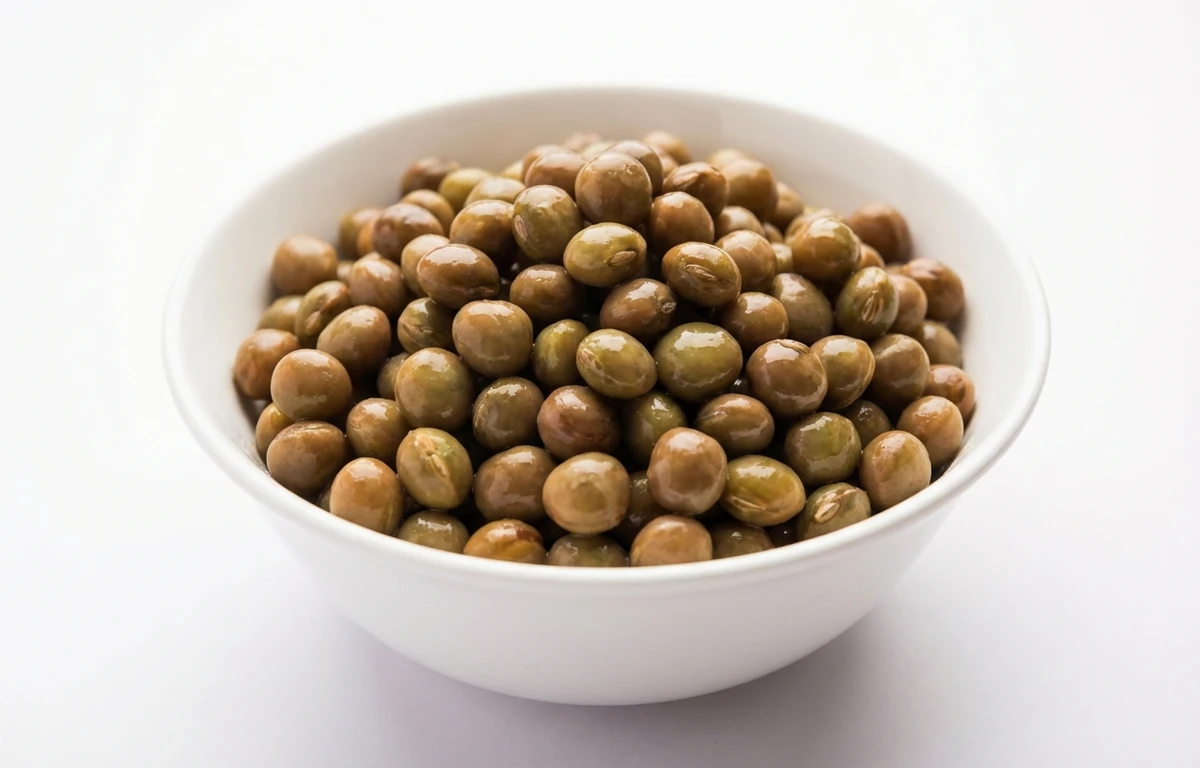
boiled salted pigeonpeas.
VegetarianVeganGluten-freeDairy-freeNut-freePeanut-freeSoy-freeEgg-freeShellfish-freeHoney-freeAlcohol-free
ALSO KNOWN AS
arhar
SERVING
CALORIES
111
PROTEIN
6.0g
CARBS
19.5g
FAT
1.4g
FIBER
4.2g
This ingredient is flagged as naturally gluten-free. Per 100 g, it provides 19.8 µg of vitamin K.
NUTRITION PROFILE · per 100 g
Everything in this ingredient.
MACRONUTRIENTS
Calories111kcal—
Protein6.0g12%
Carbohydrates19.5g7%
Fiber4.2g15%
Sugar2.5g5%
Total fat1.4g2%
Saturated fat0.37g2%
Trans fat0g—
Cholesterol0mg0%
Water71.8g—
MINERALS
Sodium240mg10%
Potassium456mg10%
Calcium41mg3%
Iron1.6mg9%
Magnesium40mg10%
Phosphorus118mg9%
Zinc0.82mg7%
Copper0.11mg12%
Manganese0.45mg20%
Selenium1.2µg2%
VITAMINS
Vitamin A2.0µg0%
Vitamin C28.1mg31%
Vitamin D0µg0%
Vitamin E0.32mg2%
Vitamin K19.8µg17%
Thiamin (B1)0.35mg29%
Riboflavin (B2)0.17mg13%
Niacin (B3)2.1mg13%
Pantothenic acid (B5)0.63mg13%
Vitamin B60.05mg3%
Folate (B9)100µg25%
Vitamin B120µg0%
%DV based on a 2,000 cal diet. Source: USDA FoodData Central. A dash in the %DV column means there’s no established Daily Value for that nutrient.
MEASUREMENT CONVERSIONS
How much is what.
1 cup153g
1 tablespoon9.6g
1 teaspoon3.2g
1 ml0.6g
1 liter637.5g
HEALTH BENEFITS
Why eat it.
- ✓Rich in folate (Vitamin B9), which is essential for DNA synthesis and cell growth, making it beneficial during pregnancy.
COOKING TIPS
In the kitchen.
- 1Combine with grains like rice or corn to create a complete protein meal, as the grains provide the amino acids (methionine) that legumes lack.
- 2Mash boiled pigeonpeas with spices to form a base for vegetarian burgers, fritters, or savory fillings.
- 3Add to soups, stews, and curries, such as the classic Caribbean 'rice and peas' or Indian 'dal', for a nutty flavor and hearty texture.
- 4The cooking liquid from the pigeonpeas can be used as a flavorful broth or a vegan egg white substitute (aquafaba) in some recipes.
STORAGE
Keep it fresh.
- Store cooked pigeonpeas in an airtight container in the refrigerator for up to 4 days.
- For long-term storage, freeze boiled pigeonpeas in freezer-safe bags or containers for up to 6 months.
FAQ
Frequently asked questions.
How much protein is in boiled salted pigeonpeas?
A 100g serving contains approximately 5.96g of protein. While lower than some animal sources, they are an excellent plant-based protein option, especially when paired with grains like rice to form a complete protein.
Are boiled salted pigeonpeas keto-friendly?
Generally, no. With nearly 19.5g of carbohydrates per 100g, they are relatively high in carbs for a strict ketogenic diet. However, they may fit into a moderate low-carb diet due to their high fiber content.
What do boiled salted pigeonpeas taste like?
They have a mild, nutty, and slightly earthy flavor with a firm yet tender texture. The addition of salt enhances their natural savoriness, making them similar in profile to other hearty legumes like lentils or edamame.
How can I use boiled salted pigeonpeas in cooking?
They are incredibly versatile and can be added to salads, stews, or traditional rice dishes like 'Arroz con Gandules.' They also make a great high-protein snack when eaten on their own or lightly seasoned with extra spices.
How long do boiled salted pigeonpeas last in the fridge?
Once boiled and salted, they should be stored in an airtight container in the refrigerator. They will typically stay fresh and safe to eat for 3 to 5 days.
Can I freeze boiled salted pigeonpeas?
Yes, you can freeze them for long-term storage. Place the drained peas in a freezer-safe bag or container; they will maintain their quality for up to 6 months. Thaw them in the refrigerator before reheating.



















