
Vegetable
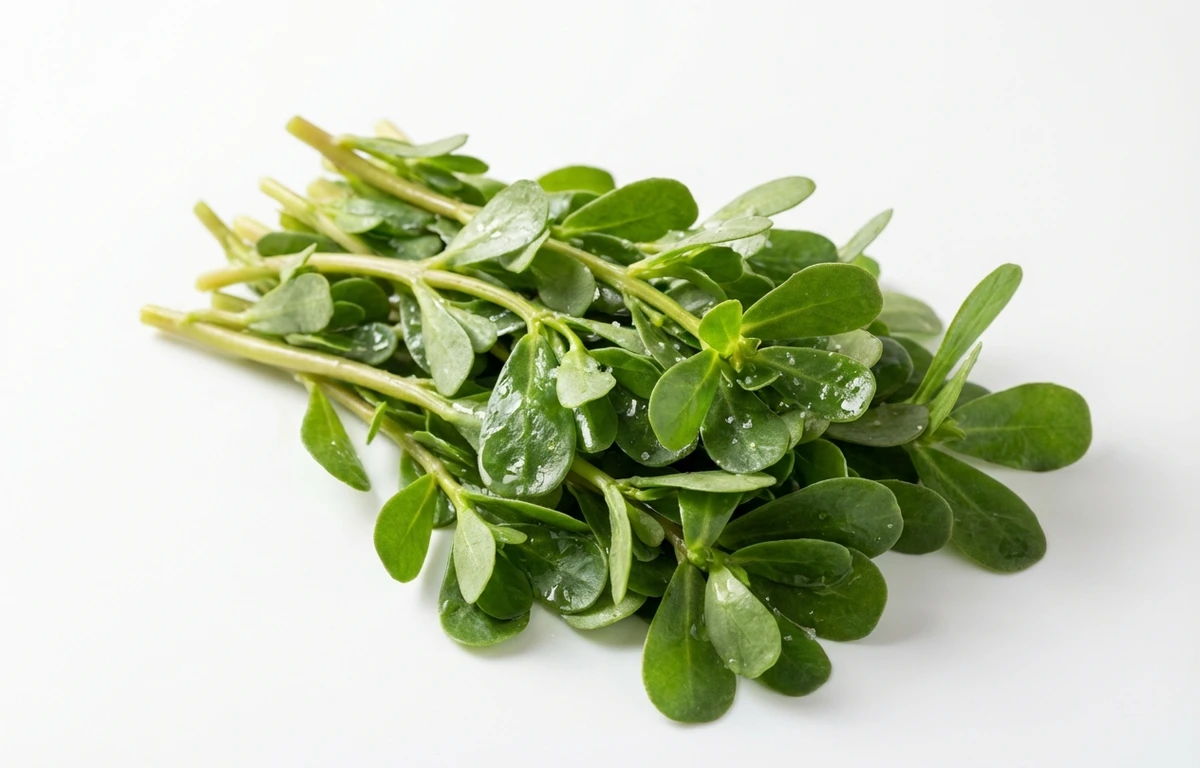
boiled salted purslane.
VegetarianVeganGluten-freeDairy-freeNut-freePeanut-freeSoy-freeEgg-freeShellfish-freeHoney-freeAlcohol-free
SERVING
CALORIES
18
PROTEIN
1.3g
CARBS
3.4g
FAT
0.10g
FIBER
1.2g
NUTRITION PROFILE · per 100 g
Everything in this ingredient.
MACRONUTRIENTS
Calories18kcal—
Protein1.3g3%
Carbohydrates3.4g1%
Fiber1.2g4%
Sugar0.10g0%
Total fat0.10g0%
Saturated fat0.02g0%
Trans fat0g—
Cholesterol0mg0%
Water93.5g—
MINERALS
Sodium350mg15%
Potassium494mg11%
Calcium65mg5%
Iron2.0mg11%
Magnesium68mg16%
Phosphorus44mg4%
Zinc0.17mg2%
Copper0.11mg12%
Manganese0.30mg13%
Selenium0.90µg2%
VITAMINS
Vitamin A66µg7%
Vitamin C12mg13%
Vitamin D0µg0%
Vitamin E0.81mg5%
Vitamin K381µg318%
Thiamin (B1)0.04mg3%
Riboflavin (B2)0.11mg8%
Niacin (B3)0.48mg3%
Pantothenic acid (B5)0.04mg1%
Vitamin B60.07mg4%
Folate (B9)12µg3%
Vitamin B120µg0%
%DV based on a 2,000 cal diet. Source: USDA FoodData Central. A dash in the %DV column means there’s no established Daily Value for that nutrient.
MEASUREMENT CONVERSIONS
How much is what.
1 cup115g
1 tablespoon7.2g
1 teaspoon2.4g
1 ml0.5g
1 liter479.2g
HEALTH BENEFITS
Why eat it.
- ✓Exceptionally high in omega-3 fatty acids (ALA) for a land vegetable, supporting heart and brain health.
- ✓Rich in antioxidants like Vitamin A (from beta-carotene), Vitamin C, and betalains, which help combat oxidative stress.
- ✓Good source of essential minerals such as potassium and magnesium, which are vital for regulating blood pressure and bone health.
- ✓Contains melatonin, which may help regulate sleep cycles.
COOKING TIPS
In the kitchen.
- 1Since it is already boiled and salted, use it directly in salads with a simple dressing of lemon juice and olive oil.
- 2Incorporate into yogurt-based dips, omelets, or stir-fries for a nutritional boost and a slightly tangy, salty flavor.
- 3The slightly mucilaginous texture when boiled makes it a good natural thickener for soups and stews.
- 4Be mindful of the existing salt content when adding it to recipes; taste before adding more salt.
STORAGE
Keep it fresh.
- Store in an airtight container in the refrigerator for up to 3-4 days.
- For longer storage, freeze in freezer-safe bags or containers for up to 3 months, noting that the texture may become softer upon thawing.
FAQ
Frequently asked questions.
Is boiled salted purslane healthy?
Yes, boiled salted purslane is highly nutritious and low in calories, containing only 18 calories per 100g. It is one of the best plant sources of omega-3 fatty acids and provides essential vitamins A and C, which support immune and heart health.
What are the primary health benefits of purslane?
Purslane is exceptionally high in alpha-linolenic acid (ALA), an omega-3 fatty acid that supports brain and heart health. It also contains betalains and other antioxidants that combat oxidative stress, along with melatonin which may help regulate sleep cycles.
Is boiled salted purslane keto-friendly?
Yes, it is very keto-friendly as it contains only 3.4g of carbohydrates and 18 calories per 100g. It is an excellent way for those on low-carb diets to get essential minerals like potassium and magnesium.
Is boiled salted purslane vegan and gluten-free?
Yes, boiled salted purslane is naturally vegan and gluten-free. It is a simple vegetable preparation consisting only of the plant, water, and salt, making it safe for those with gluten sensitivities or plant-based lifestyles.
What does boiled salted purslane taste like?
It has a unique flavor profile that is slightly sour, salty, and earthy with a hint of lemon. The texture is succulent and tender, though the stems retain a slight, pleasant crunch even after boiling.
How do you serve or use boiled salted purslane?
It is commonly served chilled as a salad dressed with olive oil and lemon juice, or mixed into Greek-style yogurt with garlic. It also works well as a side dish for fish or incorporated into warm grain bowls.
How long does boiled salted purslane last in the refrigerator?
When stored in an airtight container, boiled salted purslane will stay fresh for 3 to 5 days in the fridge. Keeping it in a small amount of its cooking liquid can help maintain its texture and prevent it from drying out.
Does boiling purslane remove its nutritional value?
While boiling can cause some loss of water-soluble vitamins like Vitamin C, purslane retains its significant omega-3 fatty acids and mineral content. To preserve the most nutrients, boil it quickly (blanching) rather than overcooking it.
Is boiled salted purslane good for weight loss?
Yes, it is an excellent food for weight management due to its high water content and very low calorie density. It provides significant micronutrients and healthy fats without adding substantial calories to a meal.
Should I be concerned about the salt content in this dish?
If you are on a low-sodium diet, you should be mindful of the salt added during boiling. You can reduce the sodium impact by rinsing the purslane under cold water after boiling or by using a salt substitute during preparation.



















