
Vegetable
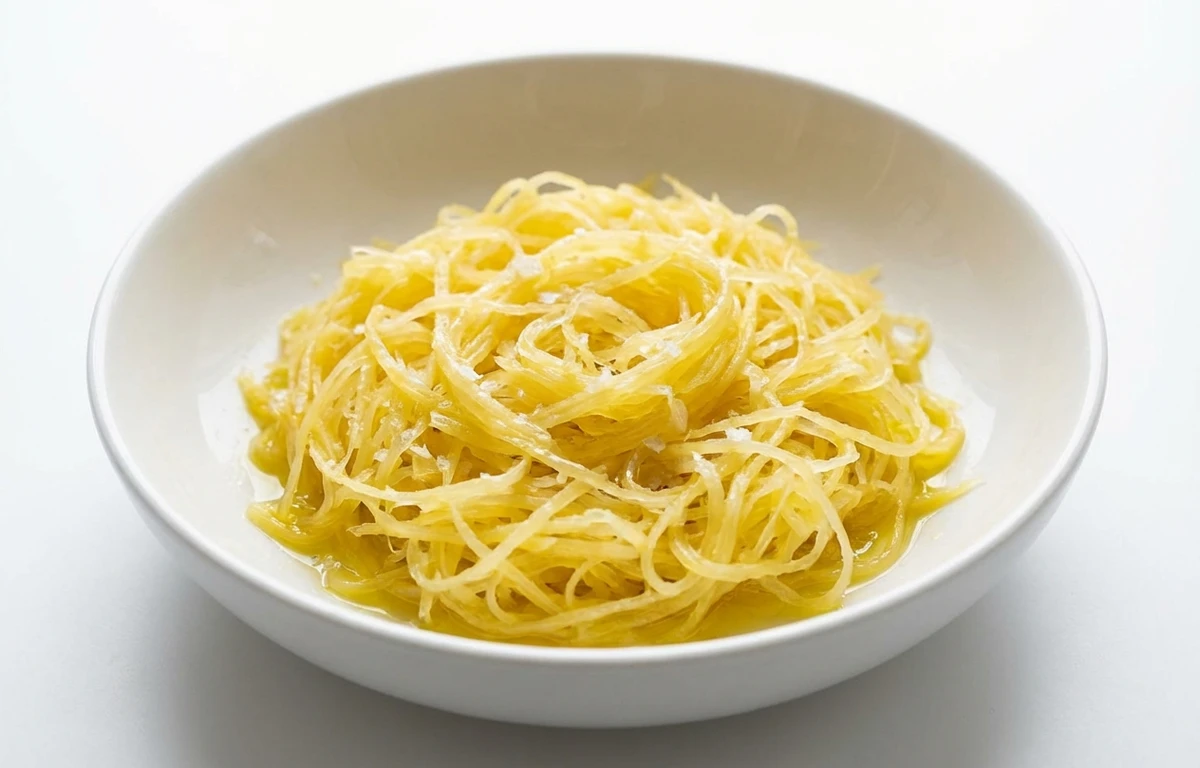
boiled salted spaghetti squash.
VegetarianVeganGluten-freeDairy-freeNut-freePeanut-freeSoy-freeEgg-freeShellfish-freeHoney-freeAlcohol-freeHalalKosher
SERVING
CALORIES
27
PROTEIN
0.66g
CARBS
6.5g
FAT
0.26g
FIBER
1.4g
NUTRITION PROFILE · per 100 g
Everything in this ingredient.
MACRONUTRIENTS
Calories27kcal—
Protein0.66g1%
Carbohydrates6.5g2%
Fiber1.4g5%
Sugar2.5g5%
Total fat0.26g0%
Saturated fat0.06g0%
Trans fat0g—
Cholesterol0mg0%
Water92.3g—
MINERALS
Sodium254mg11%
Potassium117mg2%
Calcium21mg2%
Iron0.34mg2%
Magnesium11mg3%
Phosphorus12mg1%
Zinc0.20mg2%
Copper0.04mg4%
Manganese0.11mg5%
Selenium0.30µg1%
VITAMINS
Vitamin A6.0µg1%
Vitamin C3.5mg4%
Vitamin D0µg0%
Vitamin E0.12mg1%
Vitamin K0.80µg1%
Thiamin (B1)0.04mg3%
Riboflavin (B2)0.02mg2%
Niacin (B3)0.81mg5%
Pantothenic acid (B5)0.36mg7%
Vitamin B60.10mg6%
Folate (B9)8.0µg2%
Vitamin B120µg0%
%DV based on a 2,000 cal diet. Source: USDA FoodData Central. A dash in the %DV column means there’s no established Daily Value for that nutrient.
MEASUREMENT CONVERSIONS
How much is what.
1 cup155g
1 tablespoon9.7g
1 teaspoon3.2g
1 ml0.6g
1 liter645.8g
HEALTH BENEFITS
Why eat it.
- ✓Low in calories and carbohydrates, making it an excellent pasta substitute for weight management and blood sugar control.
- ✓Rich in antioxidants like beta-carotene and vitamin C, which help protect cells from oxidative stress.
- ✓A good source of dietary fiber, promoting digestive health, regular bowel movements, and a feeling of fullness.
- ✓Provides essential nutrients such as vitamin B6, manganese, and potassium, which support energy metabolism and cardiovascular health.
COOKING TIPS
In the kitchen.
- 1After boiling and halving the squash, use a fork to scrape the flesh lengthwise to create the signature spaghetti-like strands.
- 2To avoid a watery final dish, you can pat the cooked strands dry with a paper towel or let them drain in a colander before adding sauce.
- 3The mild flavor of spaghetti squash makes it a versatile base for a wide variety of sauces, from classic marinara and pesto to simple garlic and olive oil.
- 4While boiling is effective, roasting the squash cut-side down often yields a sweeter, more robust flavor and a slightly firmer texture.
STORAGE
Keep it fresh.
- Store cooked spaghetti squash in an airtight container in the refrigerator for up to 5 days.
- For longer storage, freeze the cooked strands in a freezer-safe bag or container for up to 8 months. Squeeze out excess moisture before freezing to prevent sogginess upon thawing.
FAQ
Frequently asked questions.
Is boiled salted spaghetti squash healthy?
Yes, it is highly nutritious and low in calories. It provides essential antioxidants like beta-carotene and vitamin C, which protect cells from damage, and is rich in fiber, which supports digestive health and heart function.
How many calories and carbs are in boiled salted spaghetti squash?
A 100g serving contains approximately 27 calories and 6.46g of carbohydrates. This makes it a significantly lighter alternative to traditional wheat pasta, which typically contains over 130 calories and 25g of carbs per 100g.
Is boiled salted spaghetti squash good for weight loss?
Yes, it is an excellent food for weight management. Its high fiber content promotes a feeling of fullness, while its low calorie density allows you to eat a larger volume of food for very few calories.
Is boiled salted spaghetti squash keto-friendly?
Yes, it is considered keto-friendly in moderation. With only about 5-6g of net carbs per 100g, it is one of the best vegetable-based pasta substitutes for those following a low-carb or ketogenic lifestyle.
Is boiled salted spaghetti squash vegan and gluten-free?
Naturally, yes. As a vegetable, it is 100% plant-based and contains no gluten, making it a safe and healthy choice for vegans and individuals with celiac disease or gluten sensitivities.
How do you prepare boiled salted spaghetti squash?
Cut the squash in half and remove the seeds, then boil the halves in salted water for 15-20 minutes until the flesh is tender. Once cooled slightly, use a fork to scrape the flesh into long, spaghetti-like strands.
What does boiled salted spaghetti squash taste like?
It has a very mild, slightly sweet, and nutty flavor. Because its taste is subtle, it acts as a great canvas for various sauces, similar to how traditional pasta absorbs the flavors of a dish.
Can I use boiled salted spaghetti squash as a direct substitute for pasta?
Yes, it is a popular 1:1 substitute for spaghetti in many recipes. While the texture is slightly more crisp and watery than grain pasta, it pairs perfectly with marinara, pesto, or meatballs.
How long does boiled salted spaghetti squash last in the fridge?
Cooked spaghetti squash can be stored in an airtight container in the refrigerator for 3 to 5 days. It is recommended to drain any excess liquid before storing to maintain the best texture.
Can you freeze boiled salted spaghetti squash?
Yes, you can freeze it for up to 6 months. For the best results, squeeze out excess moisture using a clean kitchen towel before placing the strands in a freezer-safe bag to prevent them from becoming mushy when thawed.



















