
Vegetable
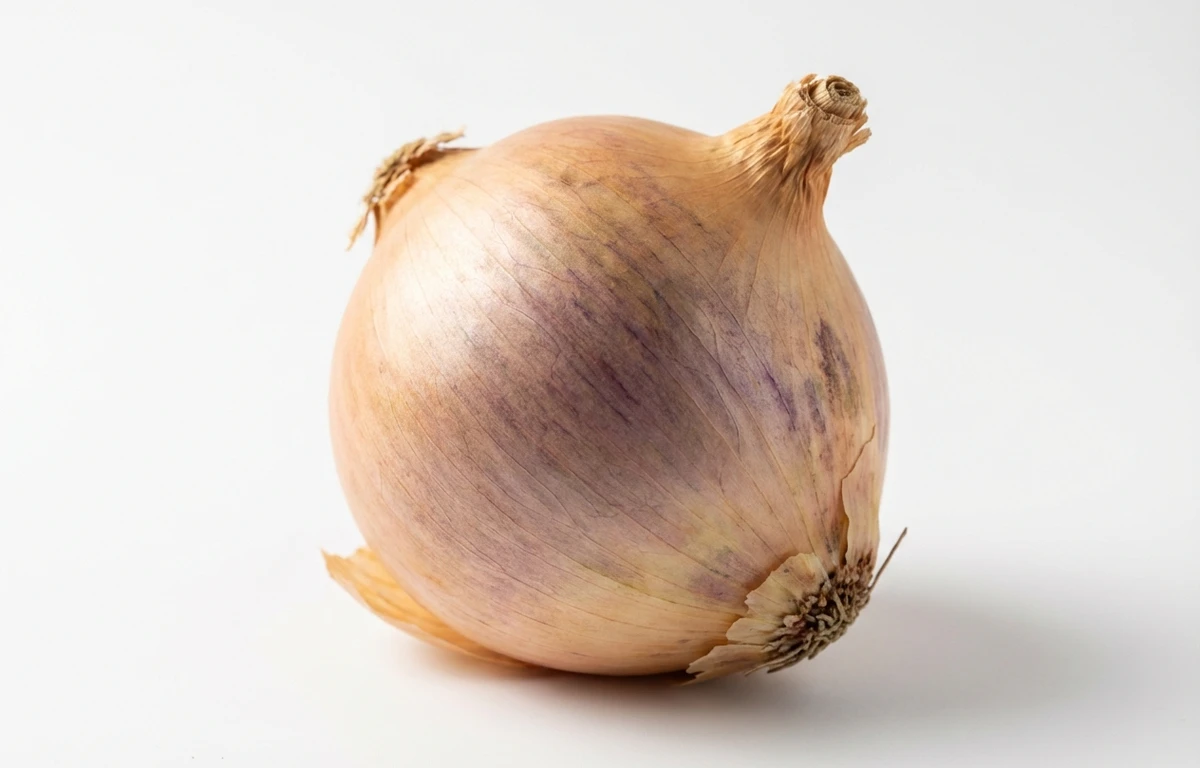
boiled salted whole frozen onion.
VegetarianVeganGluten-freeDairy-freeNut-freePeanut-freeSoy-freeEgg-freeShellfish-freeHoney-freeAlcohol-free
SERVING
CALORIES
26
PROTEIN
0.71g
CARBS
6.1g
FAT
0.05g
FIBER
1.4g
NUTRITION PROFILE · per 100 g
Everything in this ingredient.
MACRONUTRIENTS
Calories26kcal—
Protein0.71g1%
Carbohydrates6.1g2%
Fiber1.4g5%
Sugar2.9g6%
Total fat0.05g0%
Saturated fat0.01g0%
Trans fat0g—
Cholesterol0mg0%
Water92.2g—
MINERALS
Sodium244mg11%
Potassium101mg2%
Calcium27mg2%
Iron0.34mg2%
Magnesium8.0mg2%
Phosphorus2.0mg0%
Zinc0.09mg1%
Copper0.02mg2%
Manganese0.04mg2%
Selenium0.40µg1%
VITAMINS
Vitamin A0µg0%
Vitamin C5.1mg6%
Vitamin D0µg0%
Vitamin E0.01mg0%
Vitamin K0.30µg0%
Thiamin (B1)0.02mg2%
Riboflavin (B2)0.02mg2%
Niacin (B3)0.13mg1%
Pantothenic acid (B5)0.08mg2%
Vitamin B60.07mg4%
Folate (B9)13µg3%
Vitamin B120µg0%
%DV based on a 2,000 cal diet. Source: USDA FoodData Central. A dash in the %DV column means there’s no established Daily Value for that nutrient.
MEASUREMENT CONVERSIONS
How much is what.
1 cup210g
1 tablespoon13.1g
1 teaspoon4.4g
1 ml0.9g
1 liter875g
HEALTH BENEFITS
Why eat it.
- ✓Contains antioxidants like quercetin, which may help reduce inflammation and support cardiovascular health.
- ✓Provides prebiotic fibers, such as inulin, that promote the growth of beneficial gut bacteria.
- ✓A source of Vitamin C, which is essential for immune system function and collagen production.
- ✓May contribute to bone density due to its flavonoid content.
COOKING TIPS
In the kitchen.
- 1Use directly from frozen in soups, stews, and sauces, as they will thaw and cook down easily.
- 2The texture is softer than fresh onions, making them ideal for purees, gravies, or creamed onion dishes.
- 3When roasting or pan-frying, thaw and pat them dry first to remove excess moisture and allow for better browning.
- 4Remember to adjust the salt in your recipe, as the onions are already salted.
STORAGE
Keep it fresh.
- Store in the freezer at or below 0°F (-18°C) in its original airtight packaging to prevent freezer burn.
- For best quality, use within 8-12 months of purchase. Do not refreeze once fully thawed.
FAQ
Frequently asked questions.
Is boiled salted whole frozen onion healthy?
Yes, these onions are very healthy as they are low in calories and fat. They provide essential antioxidants like quercetin and prebiotic fibers that support heart health and a balanced gut microbiome.
How many calories and carbs are in these onions?
A 100g serving contains approximately 26 calories and 6.11g of carbohydrates. This makes it an excellent low-calorie vegetable choice for weight management and general health.
Is this ingredient keto-friendly?
Yes, with only 6.11g of carbs per 100g, it is considered keto-friendly. However, because they are pre-salted, you should monitor your total sodium intake to stay within your daily nutritional goals.
Is boiled salted whole frozen onion vegan and gluten-free?
Yes, this ingredient is naturally vegan and gluten-free. It consists only of onions, water, and salt, making it safe for those with gluten sensitivities or those following a plant-based diet.
How do I use frozen boiled onions in cooking?
Since they are already cooked, you can add them directly from the freezer into soups, stews, or pot roasts during the last 5-10 minutes of cooking. They can also be quickly sautéed in butter or oil to serve as a simple side dish.
Do I need to thaw the onions before using them?
Thawing is generally not necessary if you are adding them to hot dishes like stews or casseroles. Cooking them directly from frozen helps them maintain their shape better than thawing them first, which can make them mushy.
What are the specific health benefits of the antioxidants in these onions?
The primary antioxidant, quercetin, helps reduce inflammation and may lower blood pressure. Additionally, the Vitamin C content supports immune function and collagen production for healthy skin.
How long can I store these onions in the freezer?
When kept in an airtight container or freezer bag at 0°F (-18°C), they will maintain peak quality for 8 to 12 months. While safe to eat after this period, they may begin to lose flavor or develop freezer burn.
What does a boiled salted onion taste like?
They have a mild, sweet, and savory flavor compared to the sharp pungency of raw onions. The boiling process mellows the flavor, and the salt enhances their natural sweetness, resulting in a tender and delicate texture.
Can I substitute these for fresh onions in a recipe?
They work well as a substitute in cooked dishes like soups or gratins where a soft texture is desired. However, they are not a good substitute for fresh onions in recipes requiring a crunch, such as salads or salsas.



















