
Vegetable
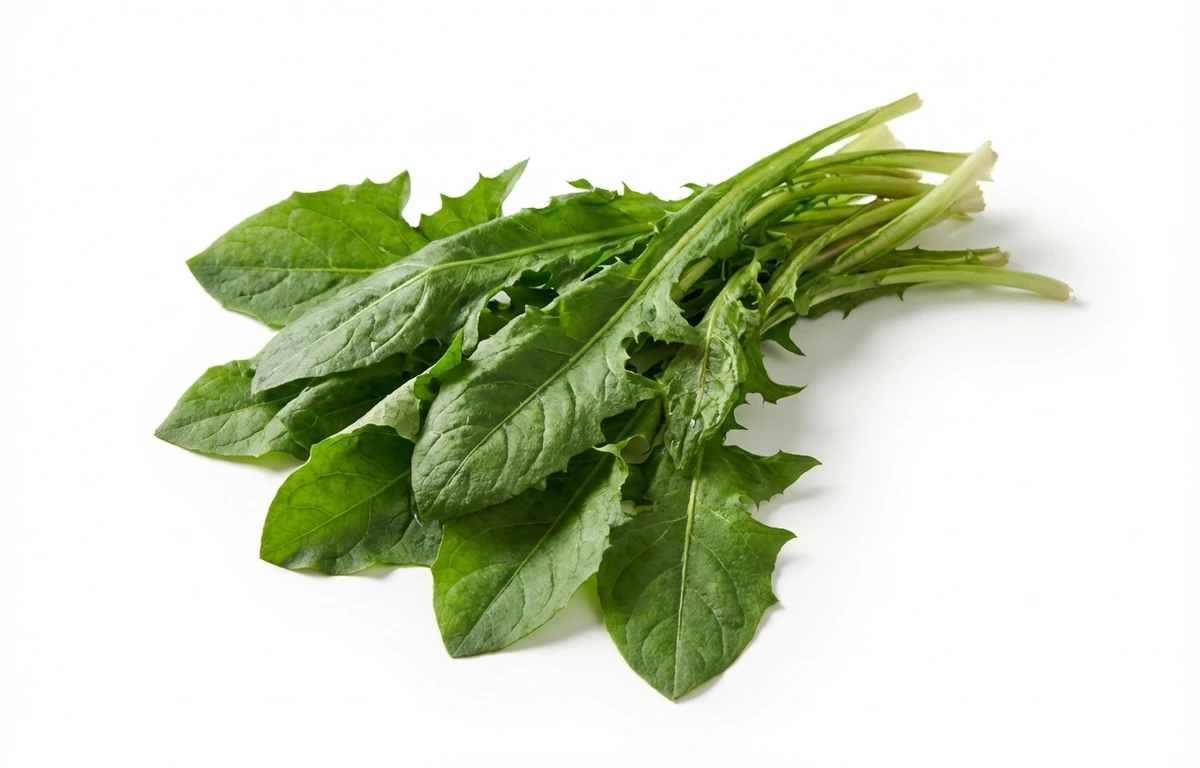
boiled unsalted dandelion greens.
VegetarianVeganGluten-freeDairy-freeNut-freePeanut-freeSoy-freeEgg-freeShellfish-freeHoney-freeAlcohol-freeHalalKosher
SERVING
CALORIES
33
PROTEIN
2.0g
CARBS
6.4g
FAT
0.60g
FIBER
2.9g
NUTRITION PROFILE · per 100 g
Everything in this ingredient.
MACRONUTRIENTS
Calories33kcal—
Protein2.0g4%
Carbohydrates6.4g2%
Fiber2.9g10%
Sugar0.50g1%
Total fat0.60g1%
Saturated fat0.15g1%
Trans fat0g—
Cholesterol0mg0%
Water89.8g—
MINERALS
Sodium44mg2%
Potassium232mg5%
Calcium140mg11%
Iron1.8mg10%
Magnesium24mg6%
Phosphorus42mg3%
Zinc0.28mg3%
Copper0.12mg13%
Manganese0.23mg10%
Selenium0.30µg1%
VITAMINS
Vitamin A342µg38%
Vitamin C18mg20%
Vitamin D0µg0%
Vitamin E2.4mg16%
Vitamin K551µg460%
Thiamin (B1)0.13mg11%
Riboflavin (B2)0.18mg14%
Niacin (B3)0.51mg3%
Pantothenic acid (B5)0.06mg1%
Vitamin B60.16mg9%
Folate (B9)13µg3%
Vitamin B120µg0%
%DV based on a 2,000 cal diet. Source: USDA FoodData Central. A dash in the %DV column means there’s no established Daily Value for that nutrient.
MEASUREMENT CONVERSIONS
How much is what.
1 cup140g
1 tablespoon9g
1 teaspoon3g
HEALTH BENEFITS
Why eat it.
- ✓Extremely nutrient-dense, providing high amounts of vitamins A, C, and K, as well as iron, calcium, and potassium.
- ✓Contains potent antioxidants like beta-carotene and polyphenols, which may protect cells from damage caused by free radicals.
- ✓May support liver health by promoting bile flow and aiding in detoxification processes.
- ✓Acts as a natural diuretic, which can help reduce water retention and support kidney function.
COOKING TIPS
In the kitchen.
- 1Boiling significantly reduces the natural bitterness of dandelion greens. For very bitter greens, change the water once during the boiling process.
- 2After boiling, sauté the greens with garlic, olive oil, and a pinch of red pepper flakes for a simple and flavorful side dish.
- 3Chop the boiled greens and add them to soups, stews, frittatas, or pasta sauces to boost nutritional content.
- 4Balance the remaining bitterness by pairing the greens with acidic ingredients like lemon juice or vinegar, or rich flavors like bacon, parmesan cheese, or nuts.
STORAGE
Keep it fresh.
- Store boiled dandelion greens in an airtight container in the refrigerator and consume within 3-4 days.
- For longer storage, squeeze out all excess water, portion, and freeze in freezer-safe bags for up to 6 months.
FAQ
Frequently asked questions.
Are boiled unsalted dandelion greens healthy?
Yes, they are extremely nutrient-dense and low in calories. They provide significant amounts of vitamins A, C, and K, as well as essential minerals like iron, calcium, and potassium, making them a powerhouse for overall health.
What are the primary health benefits of dandelion greens?
Dandelion greens contain potent antioxidants like beta-carotene and polyphenols that protect cells from damage. They are also known to support liver health by promoting bile flow and act as a natural diuretic to support kidney function and reduce water retention.
Are boiled dandelion greens good for weight loss?
Absolutely. With only 33 calories and 0.6g of fat per 100g, they are a high-volume, low-calorie food. Their fiber content and natural diuretic properties can also help you feel full and reduce bloating.
Are boiled dandelion greens keto-friendly?
Yes, they are very keto-friendly. They contain only 6.4g of carbohydrates per 100g, much of which is dietary fiber, making them an excellent low-carb vegetable choice for those in ketosis.
Are boiled dandelion greens vegan and gluten-free?
Yes, boiled unsalted dandelion greens are naturally vegan and gluten-free. They are a 100% plant-based ingredient suitable for individuals with celiac disease or those following a strict vegan diet.
What do boiled dandelion greens taste like?
They have a distinct, earthy, and notably bitter flavor. Boiling the greens helps to mellow out the intense bitterness found in raw dandelion leaves, though they still retain a sharp, sophisticated edge compared to spinach.
Why should I boil dandelion greens instead of eating them raw?
Boiling helps soften the tough, fibrous texture of the leaves and leaches out some of the bitter compounds, making them more palatable. It also reduces the level of oxalates, which can interfere with mineral absorption in some individuals.
How long do boiled dandelion greens last in the refrigerator?
Once boiled and drained, they can be stored in an airtight container in the fridge for 3 to 5 days. Make sure they have cooled completely before sealing the container to prevent premature spoilage.
Can I freeze boiled dandelion greens?
Yes, they freeze well. After boiling, squeeze out as much excess water as possible and store them in freezer-safe bags for up to 6 months. They are best used later in cooked dishes like soups, stews, or omelets.
Are there any side effects to eating dandelion greens?
While generally safe, their high Vitamin K content can interfere with blood-thinning medications like Warfarin. Additionally, because they are a natural diuretic, they may increase the frequency of urination or interact with certain kidney medications.



















