
Vegetable
boiled unsalted dishcloth gourd.
VegetarianVeganGluten-freeDairy-freeNut-freePeanut-freeSoy-freeEgg-freeShellfish-freeHoney-freeAlcohol-free
ALSO KNOWN AS
boiled luffaboiled sponge gourdboiled toriboiled turaiboiled silk gourdboiled smooth gourdboiled gilki
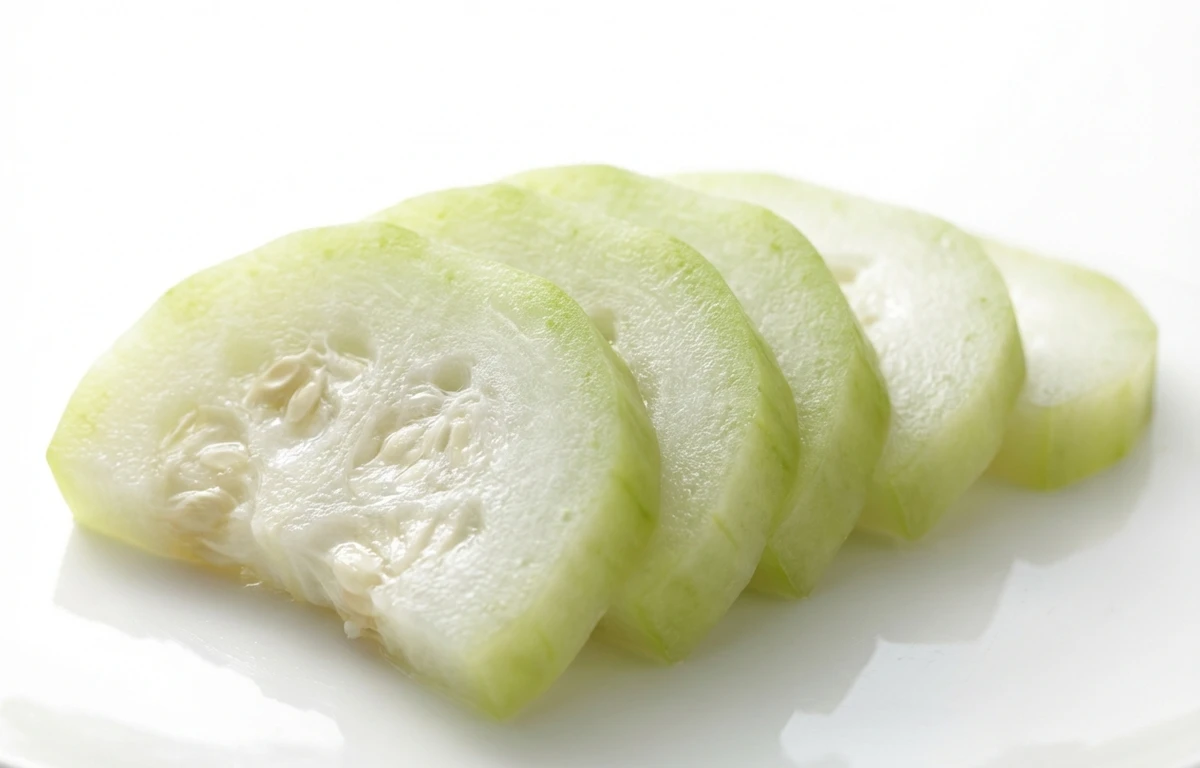
SERVING
CALORIES
18
PROTEIN
0.60g
CARBS
3.9g
FAT
0.10g
FIBER
1.1g
NUTRITION PROFILE · per 100 g
Everything in this ingredient.
MACRONUTRIENTS
Calories18kcal—
Protein0.60g1%
Carbohydrates3.9g1%
Fiber1.1g4%
Sugar2.1g4%
Total fat0.10g0%
Saturated fat0.02g0%
Trans fat0g—
Cholesterol0mg0%
Water94.5g—
MINERALS
Sodium3.0mg0%
Potassium139mg3%
Calcium15mg1%
Iron0.36mg2%
Magnesium14mg3%
Phosphorus24mg2%
Zinc0.12mg1%
Copper0.03mg3%
Manganese0.07mg3%
Selenium0.20µg0%
VITAMINS
Vitamin A15µg2%
Vitamin C7.0mg8%
Vitamin D0µg0%
Vitamin E0.16mg1%
Vitamin K1.2µg1%
Thiamin (B1)0.03mg3%
Riboflavin (B2)0.03mg2%
Niacin (B3)0.30mg2%
Pantothenic acid (B5)0.15mg3%
Vitamin B60.04mg2%
Folate (B9)7.0µg2%
Vitamin B120µg0%
%DV based on a 2,000 cal diet. Source: USDA FoodData Central. A dash in the %DV column means there’s no established Daily Value for that nutrient.
MEASUREMENT CONVERSIONS
How much is what.
1 cup140g
1 tablespoon15g
1 teaspoon5g
1 oz28.4g
1 lb453.6g
1 liter1050g
1 piece150g
HEALTH BENEFITS
Why eat it.
- ✓Extremely low in calories, making it ideal for weight management
- ✓High water content helps maintain body hydration
- ✓Contains dietary fiber which aids in smooth digestion
- ✓Provides Vitamin C which supports immune system health
- ✓Contains antioxidants that help reduce oxidative stress
COOKING TIPS
In the kitchen.
- 1Peel the tough outer skin thoroughly before boiling for a better texture
- 2Boil in a small amount of water to minimize the loss of water-soluble vitamins
- 3Cook until just tender; over-boiling will cause the gourd to lose its shape and become watery
STORAGE
Keep it fresh.
- Store boiled gourd in an airtight container in the refrigerator for up to 3 days
- Keep separate from strong-smelling foods as it absorbs odors easily
- Avoid freezing as the high water content causes it to become mushy upon thawing
FAQ
Frequently asked questions.
How long does boiled dishcloth gourd last in the fridge?
When stored in an airtight container, it will stay fresh for 2 to 3 days.
Can I freeze boiled dishcloth gourd?
It is not recommended to freeze it, as the cellular structure breaks down, resulting in a very mushy and unappealing texture when thawed.
What is a good substitute for dishcloth gourd?
Zucchini, ridge gourd (turai), or chayote squash are the best substitutes due to their similar mild flavor and texture.
Do I need to remove the seeds before boiling?
If the gourd is young and tender, the seeds are edible. If the gourd is mature and the seeds are hard, they should be removed.
Is boiled dishcloth gourd good for diabetics?
Yes, it has a very low glycemic index and low calorie count, making it a suitable vegetable for diabetic diets.
How do I know if the gourd is fresh before cooking?
Look for gourds that are firm, bright green, and heavy for their size. Avoid those with soft spots or yellowing skin.
What does boiled dishcloth gourd taste like?
It has a very mild, slightly sweet, and neutral flavor, similar to a cross between a cucumber and a zucchini.
Is the skin of the dishcloth gourd edible?
While technically edible if very young, the skin is usually tough and fibrous, so it is standard practice to peel it before boiling.
Is it better to steam or boil dishcloth gourd?
Steaming is slightly better for nutrient retention, but boiling is common for soups and stews where the cooking liquid is also consumed.



















