
Loading...
Also known as: great northern beans
Per 100g
Nutrition data source: USDA FoodData Central
Common measurement equivalents in grams
Yes, Great Northern beans are highly nutritious. They are an excellent source of dietary fiber and plant-based protein while being very low in fat, making them beneficial for heart health, digestion, and muscle maintenance.
A 100g serving of boiled Great Northern beans provides approximately 7.3g of protein and a significant amount of dietary fiber. This combination is essential for repairing tissues and maintaining a healthy digestive system.
Yes, they are an excellent food for weight management. Their high fiber content helps you feel full longer, which can reduce overall calorie intake, and they contain only 118 calories and 0.4g of fat per 100g.
Yes, Great Northern beans are naturally gluten-free and vegan. They are a staple for plant-based diets, providing essential micronutrients like iron and folate that are sometimes harder to obtain without meat.
No, they are generally not suitable for a strict ketogenic diet. With 21.1g of carbohydrates per 100g, they are considered a high-carb food, though they are a healthy 'complex carbohydrate' for other dietary patterns.
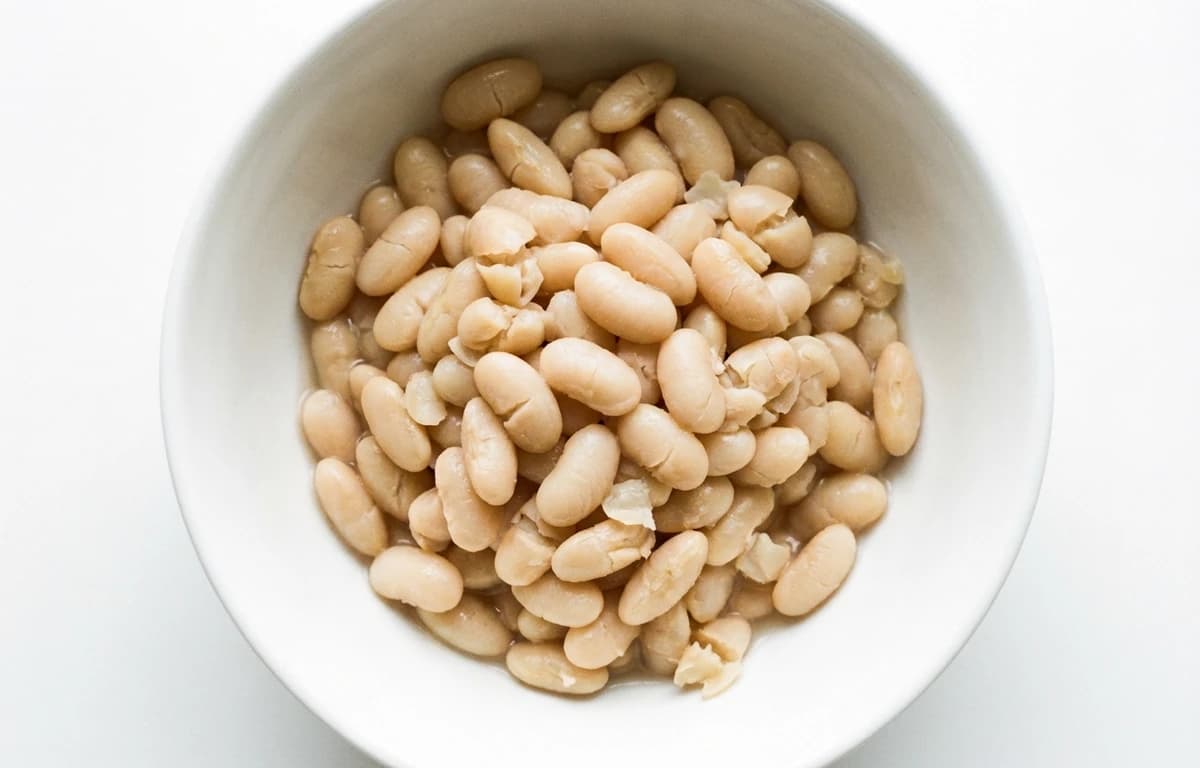
Great Northern beans have a mild, delicate flavor and a creamy texture. Their subtle taste makes them excellent at absorbing the flavors of herbs, spices, and broths in various dishes.
They are very versatile and commonly used in white bean chili, soups, and stews. You can also toss them into salads for extra protein or mash them into a spread or dip similar to hummus.
boiled unsalted great northern beans is a versatile ingredient found in cuisines around the world. With 118 calories per 100g and 7.3 grams of protein, it's a nutritious addition to many dishes.
Explore more ingredients in the legume category with complete nutrition information.
View all legume →Discover 0 recipes featuring boiled unsalted great northern beans with step-by-step instructions.
Browse recipes →Boiled Great Northern beans should be stored in an airtight container and will last for 3 to 5 days in the fridge. If they develop an off-smell or a slimy texture, they should be discarded.
Yes, you can freeze them for up to 6 months. For best results, drain them thoroughly and freeze them in airtight bags or containers; they can be added directly to soups and stews from the freezer.
Choosing unsalted beans allows you to fully control the sodium content of your meals, which is important for managing blood pressure. It also provides a neutral base that allows the natural, nutty flavor of the bean to shine.