
Vegetable
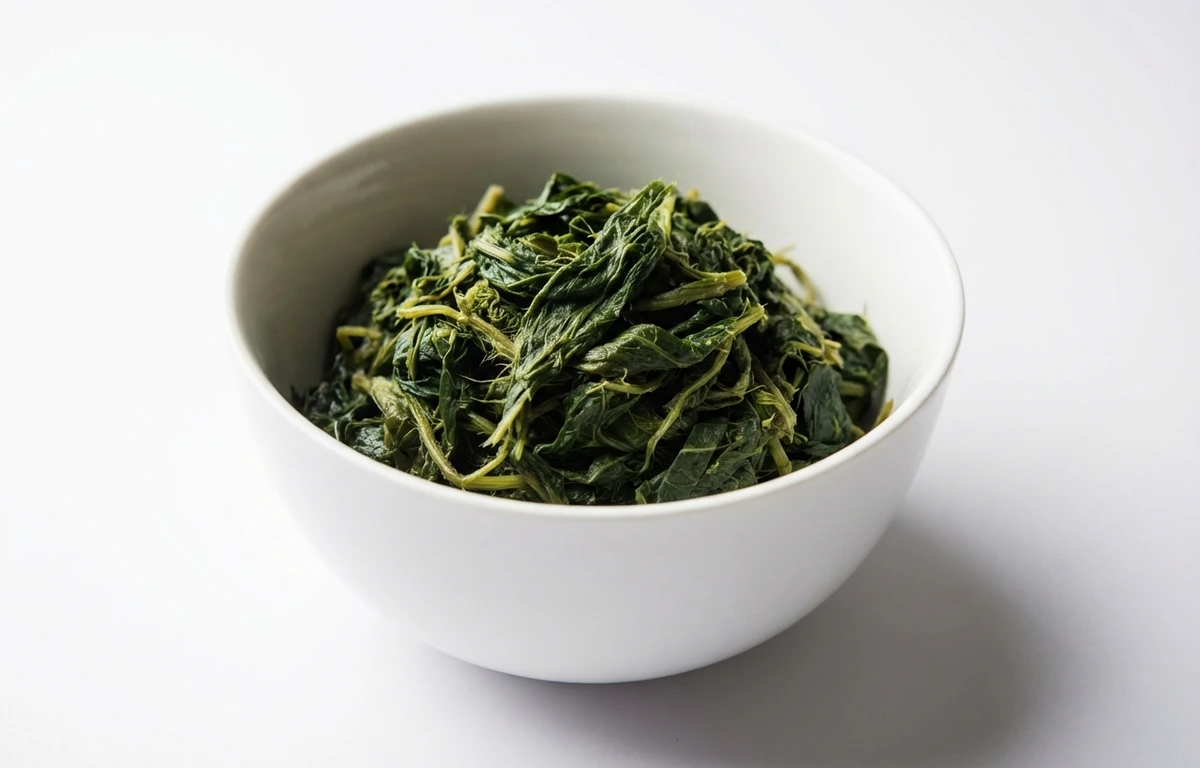
boiled unsalted jute.
VegetarianVeganGluten-freeDairy-freeNut-freePeanut-freeSoy-freeEgg-freeShellfish-freeHoney-freeAlcohol-free
ALSO KNOWN AS
boiled saluyotboiled molokhiaboiled eweduboiled jute mallowboiled laloboiled nalta jute
SERVING
CALORIES
38
PROTEIN
3.5g
CARBS
7.2g
FAT
0.30g
FIBER
2.5g
NUTRITION PROFILE · per 100 g
Everything in this ingredient.
MACRONUTRIENTS
Calories38kcal—
Protein3.5g7%
Carbohydrates7.2g3%
Fiber2.5g9%
Sugar0.40g1%
Total fat0.30g0%
Saturated fat0.05g0%
Trans fat0g—
Cholesterol0mg0%
Water88g—
MINERALS
Sodium8.0mg0%
Potassium450mg10%
Calcium180mg14%
Iron2.5mg14%
Magnesium55mg13%
Phosphorus70mg6%
Zinc0.60mg5%
Copper0.20mg22%
Manganese0.50mg22%
Selenium0.80µg1%
VITAMINS
Vitamin A250µg28%
Vitamin C25mg28%
Vitamin D0µg0%
Vitamin E2.0mg13%
Vitamin K400µg333%
Thiamin (B1)0.10mg8%
Riboflavin (B2)0.20mg15%
Niacin (B3)1.0mg6%
Pantothenic acid (B5)0.10mg2%
Vitamin B60.10mg6%
Folate (B9)80µg20%
Vitamin B120µg0%
%DV based on a 2,000 cal diet. Source: USDA FoodData Central. A dash in the %DV column means there’s no established Daily Value for that nutrient.
MEASUREMENT CONVERSIONS
How much is what.
1 cup190g
1 tablespoon12g
1 teaspoon4g
1 oz28.4g
1 lb453.6g
1 ml0.8g
1 liter800g
HEALTH BENEFITS
Why eat it.
- ✓Rich in Vitamin A which supports healthy vision
- ✓High fiber content aids in digestive health and regularity
- ✓Contains potent antioxidants like Vitamin C and E
- ✓Excellent plant-based source of calcium and iron
- ✓Natural mucilage helps soothe the digestive lining
COOKING TIPS
In the kitchen.
- 1Avoid over-boiling to preserve the high Vitamin K and A content
- 2The leaves act as a natural thickener for soups and stews
- 3Add a squeeze of lemon juice before serving to improve iron absorption
STORAGE
Keep it fresh.
- Store boiled leaves in an airtight container in the refrigerator
- Best consumed within 2 to 3 days of boiling
- Can be frozen in small portions for up to 3 months
FAQ
Frequently asked questions.
What are jute leaves?
Jute leaves, also known as Molokhia or Saluyot, are nutrient-dense leafy greens commonly used in African, Middle Eastern, and Asian cuisines.
How long does boiled jute last in the fridge?
When stored in a clean, airtight container, boiled jute leaves will stay fresh for 2 to 3 days.
Can I freeze boiled jute leaves?
Yes, boiled jute leaves freeze very well. You can freeze them in their cooking liquid or drained for up to 3 months.
Why is the texture of boiled jute leaves slimy?
Jute leaves contain mucilage, a substance that becomes viscous when cooked, similar to okra. This is a desired trait for thickening soups.
Is boiled jute good for weight loss?
Yes, it is very low in calories and high in fiber, which helps you feel full for longer periods.
What can I use as a substitute for jute leaves?
Spinach is a good flavor substitute, while okra can provide a similar mucilaginous texture in soups.
How do I select the best jute leaves for boiling?
Look for leaves that are bright green and firm. Avoid any that are yellowing, wilting, or have dark spots.
Is boiled jute safe during pregnancy?
Yes, it is highly recommended due to its high folate (Vitamin B9) and iron content, which are essential for fetal development.
Does boiling jute leaves remove their nutrients?
While some water-soluble vitamins like Vitamin C may decrease, the minerals and fat-soluble vitamins like A and K remain largely intact.
What is the best way to serve boiled jute?
It is most commonly served as a thick soup or stew, often paired with rice, chicken, or fish.



















