
Vegetable
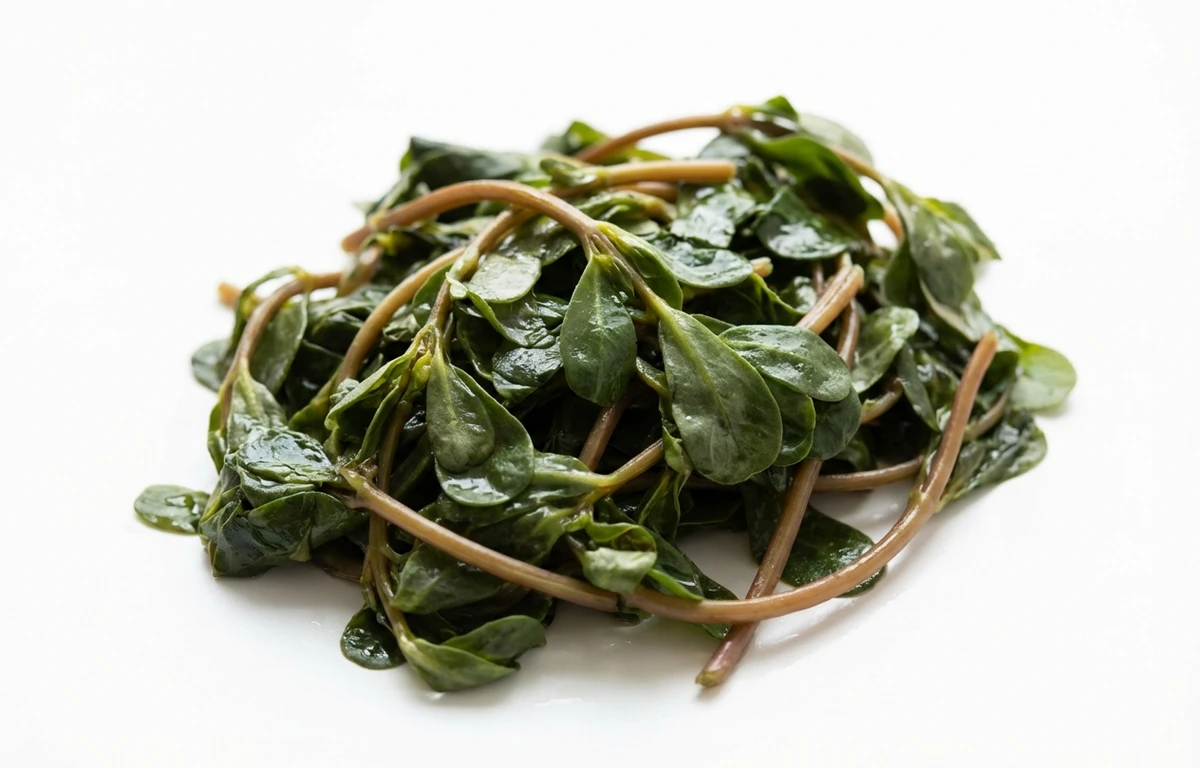
boiled unsalted purslane.
VegetarianVeganGluten-freeDairy-freeNut-freePeanut-freeSoy-freeEgg-freeShellfish-freeHoney-freeAlcohol-free
SERVING
CALORIES
21
PROTEIN
1.5g
CARBS
3.0g
FAT
0.30g
FIBER
1.0g
NUTRITION PROFILE · per 100 g
Everything in this ingredient.
MACRONUTRIENTS
Calories20.7kcal—
Protein1.5g3%
Carbohydrates3.0g1%
Fiber1.0g4%
Sugar0.10g0%
Total fat0.30g0%
Saturated fat0.05g0%
Trans fat0g—
Cholesterol0mg0%
Water93.5g—
MINERALS
Sodium40mg2%
Potassium450mg10%
Calcium60mg5%
Iron1.8mg10%
Magnesium60mg14%
Phosphorus35mg3%
Zinc0.15mg1%
Copper0.10mg11%
Manganese0.30mg13%
Selenium0.80µg1%
VITAMINS
Vitamin A130µg14%
Vitamin C12mg13%
Vitamin D0µg0%
Vitamin E0.80mg5%
Vitamin K380µg317%
Thiamin (B1)0.04mg3%
Riboflavin (B2)0.10mg8%
Niacin (B3)0.40mg3%
Pantothenic acid (B5)0.03mg1%
Vitamin B60.07mg4%
Folate (B9)10µg3%
Vitamin B120µg0%
%DV based on a 2,000 cal diet. Source: USDA FoodData Central. A dash in the %DV column means there’s no established Daily Value for that nutrient.
MEASUREMENT CONVERSIONS
How much is what.
1 cup115g
1 tablespoon7.2g
1 teaspoon2.4g
1 ml0.5g
1 liter479.2g
HEALTH BENEFITS
Why eat it.
- ✓Exceptionally high in plant-based omega-3 fatty acids (ALA), which support heart and brain health.
- ✓Rich source of antioxidants, including vitamins A (from beta-carotene), C, and E, which help combat cellular damage.
- ✓Provides essential minerals like potassium, magnesium, and calcium, crucial for blood pressure regulation, muscle function, and bone health.
- ✓Contains melatonin, which may help regulate sleep cycles.
COOKING TIPS
In the kitchen.
- 1After boiling, drain well and toss with olive oil, lemon juice, and garlic for a simple and nutritious side dish.
- 2Chop the boiled purslane and mix it into yogurt-based dips, omelets, or scrambled eggs for added texture and nutrients.
- 3Incorporate into soups or stews as a natural thickener, as its mucilaginous quality is enhanced by boiling.
- 4Use as a base for salads, combining it with other vegetables, grains, and a light vinaigrette.
STORAGE
Keep it fresh.
- Store boiled purslane in an airtight container in the refrigerator and consume within 2-3 days for optimal freshness.
- For longer storage, freeze boiled purslane. Squeeze out excess water, place in a freezer-safe bag, and store for up to 3 months.
FAQ
Frequently asked questions.
Is boiled unsalted purslane healthy?
Yes, boiled purslane is exceptionally healthy. It is one of the richest plant sources of omega-3 fatty acids (ALA), which support heart and brain health, and it is packed with antioxidants like vitamins A, C, and E.
How many calories and carbs are in boiled purslane?
Boiled unsalted purslane is very low in calories, providing only 15 calories per 100g. It contains approximately 3g of carbohydrates and 1.5g of protein, making it an ideal food for weight management.
Is boiled purslane keto-friendly?
Yes, boiled purslane is highly keto-friendly. With only 3g of total carbohydrates per 100g and a high concentration of healthy fats (omega-3s), it fits easily into a low-carb or ketogenic lifestyle.
What does boiled purslane taste like?
Boiled purslane has a mild, slightly tart or lemony flavor, similar to spinach or watercress. Its texture is tender and succulent, though it can become slightly mucilaginous (like okra) if overcooked.
Can boiled purslane help with sleep?
Purslane is a rare plant source of melatonin, a hormone that helps regulate sleep-wake cycles. Consuming boiled purslane in the evening may help improve sleep quality and duration.
Is boiled purslane vegan and gluten-free?
Yes, boiled unsalted purslane is naturally vegan and gluten-free. It is a pure vegetable dish that is suitable for plant-based, Celiac, and paleo diets.
How do you prepare and boil purslane?
Wash the purslane thoroughly to remove any grit. Bring a pot of water to a boil, add the purslane (leaves and stems), and cook for 3–5 minutes until tender. Drain immediately to prevent it from becoming too soft.
Can you eat the stems of boiled purslane?
Yes, the stems of purslane are entirely edible and highly nutritious. When boiled, they become soft and juicy, providing a pleasant texture that complements the leaves.
How long does boiled purslane last in the fridge?
Boiled purslane can be stored in an airtight container in the refrigerator for 3 to 5 days. It is best to drain it well before storing to maintain its texture.
Does boiling purslane affect its nutrient content?
While boiling can cause some water-soluble vitamins like Vitamin C to leach into the water, it also helps reduce oxalate levels. To maximize benefits, avoid overcooking and consider using the cooking water in soups if you are not concerned about oxalates.



















