
Vegetable
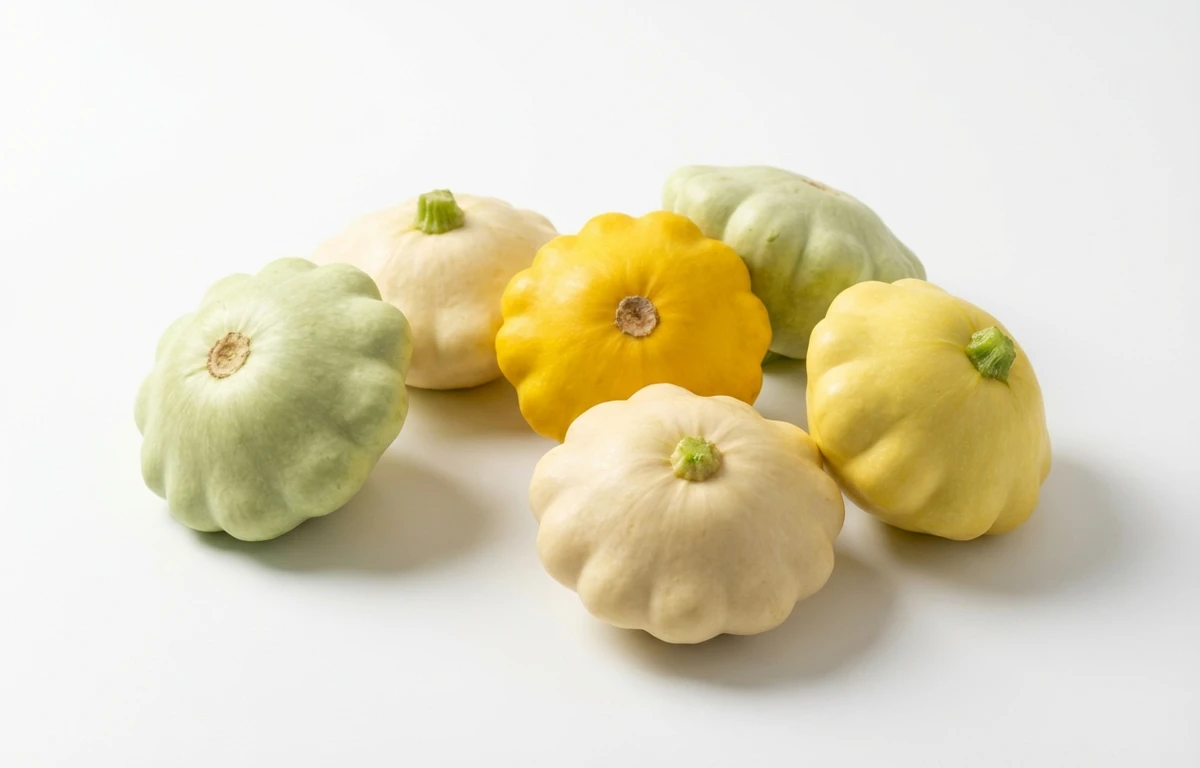
boiled unsalted scallop squash.
VegetarianVeganGluten-freeDairy-freeNut-freePeanut-freeSoy-freeEgg-freeShellfish-freeHoney-freeAlcohol-free
ALSO KNOWN AS
scallop squash
SERVING
CALORIES
16
PROTEIN
1.0g
CARBS
3.3g
FAT
0.17g
FIBER
1.9g
NUTRITION PROFILE · per 100 g
Everything in this ingredient.
MACRONUTRIENTS
Calories16kcal—
Protein1.0g2%
Carbohydrates3.3g1%
Fiber1.9g7%
Sugar1.5g3%
Total fat0.17g0%
Saturated fat0.04g0%
Trans fat0g—
Cholesterol0mg0%
Water95g—
MINERALS
Sodium1.0mg0%
Potassium140mg3%
Calcium15mg1%
Iron0.33mg2%
Magnesium19mg5%
Phosphorus28mg2%
Zinc0.24mg2%
Copper0.08mg9%
Manganese0.13mg6%
Selenium0.20µg0%
VITAMINS
Vitamin A4.0µg0%
Vitamin C10.8mg12%
Vitamin D0µg0%
Vitamin E0.12mg1%
Vitamin K3.5µg3%
Thiamin (B1)0.05mg4%
Riboflavin (B2)0.03mg2%
Niacin (B3)0.46mg3%
Pantothenic acid (B5)0.08mg2%
Vitamin B60.09mg5%
Folate (B9)21µg5%
Vitamin B120µg0%
%DV based on a 2,000 cal diet. Source: USDA FoodData Central. A dash in the %DV column means there’s no established Daily Value for that nutrient.
MEASUREMENT CONVERSIONS
How much is what.
1 cup180g
1 tablespoon11.3g
1 teaspoon3.8g
1 ml0.8g
1 liter750g
HEALTH BENEFITS
Why eat it.
- ✓Low in calories and high in water content, making it suitable for weight management and hydration.
- ✓A good source of Vitamin C, an antioxidant that supports the immune system and skin health.
- ✓Contains dietary fiber, which aids in digestion and helps maintain stable blood sugar levels.
- ✓Provides antioxidants like carotenoids (lutein and zeaxanthin), which are beneficial for eye health.
COOKING TIPS
In the kitchen.
- 1Boil until just fork-tender to prevent it from becoming watery and mushy. This typically takes 5-10 minutes depending on size.
- 2Since it's unsalted, season well after boiling. It pairs nicely with butter, olive oil, garlic, dill, parsley, and a squeeze of lemon juice.
- 3Mashed boiled scallop squash can be used as a simple side dish, a base for creamy soups, or mixed into casseroles.
- 4The tender skin is edible, so there is no need to peel it before boiling, especially for smaller, younger squash.
STORAGE
Keep it fresh.
- Store leftover boiled scallop squash in an airtight container in the refrigerator for up to 4 days.
- For longer storage, mash or puree the boiled squash and freeze it in freezer-safe containers or bags for up to 3 months.
FAQ
Frequently asked questions.
Is boiled unsalted scallop squash healthy?
Yes, it is highly nutritious and low in calories, containing only 16 calories per 100g. It is rich in Vitamin C for immune support and provides antioxidants like lutein and zeaxanthin, which are essential for eye health.
Is boiled scallop squash good for weight loss?
It is an excellent food for weight management due to its high water content and low calorie density. The dietary fiber helps you feel full longer, while the minimal fat content (0.17g per 100g) makes it a lean addition to any meal.
Is boiled scallop squash keto-friendly?
Yes, it is very keto-friendly. With only 3.3g of total carbohydrates per 100g, it can easily fit into a low-carb or ketogenic lifestyle without spiking blood sugar levels.
Is boiled scallop squash vegan and gluten-free?
Yes, boiled unsalted scallop squash is naturally vegan and gluten-free. It is a pure vegetable dish that contains no animal products or wheat-based proteins.
How do you boil scallop squash?
Wash the squash and trim the stem ends. Place them in a pot of boiling water for 5 to 8 minutes until they are tender enough to be pierced with a fork, then drain immediately to prevent them from becoming waterlogged.
What does boiled scallop squash taste like?
It has a mild, slightly sweet, and buttery flavor similar to zucchini or yellow summer squash. Because it is prepared without salt, it has a very clean, neutral profile that pairs well with fresh herbs or lemon juice.
Do I need to peel scallop squash before boiling?
No, peeling is not necessary. The skin of the scallop squash is thin, tender, and completely edible, providing additional fiber and nutrients when consumed.
How long does boiled scallop squash last in the refrigerator?
Once cooked and cooled, boiled scallop squash should be stored in an airtight container. It will remain fresh and safe to eat for 3 to 5 days when kept in the fridge.
Can I eat the seeds of the scallop squash?
Yes, the seeds are soft and edible, much like those found in zucchini. There is no need to scoop them out before or after boiling, as they have a pleasant, tender texture.
Can diabetics eat boiled scallop squash?
Yes, it is a great choice for diabetics because it is low in carbohydrates and contains fiber. Fiber helps slow the absorption of sugar, which aids in maintaining stable blood glucose levels.



















