
Vegetable
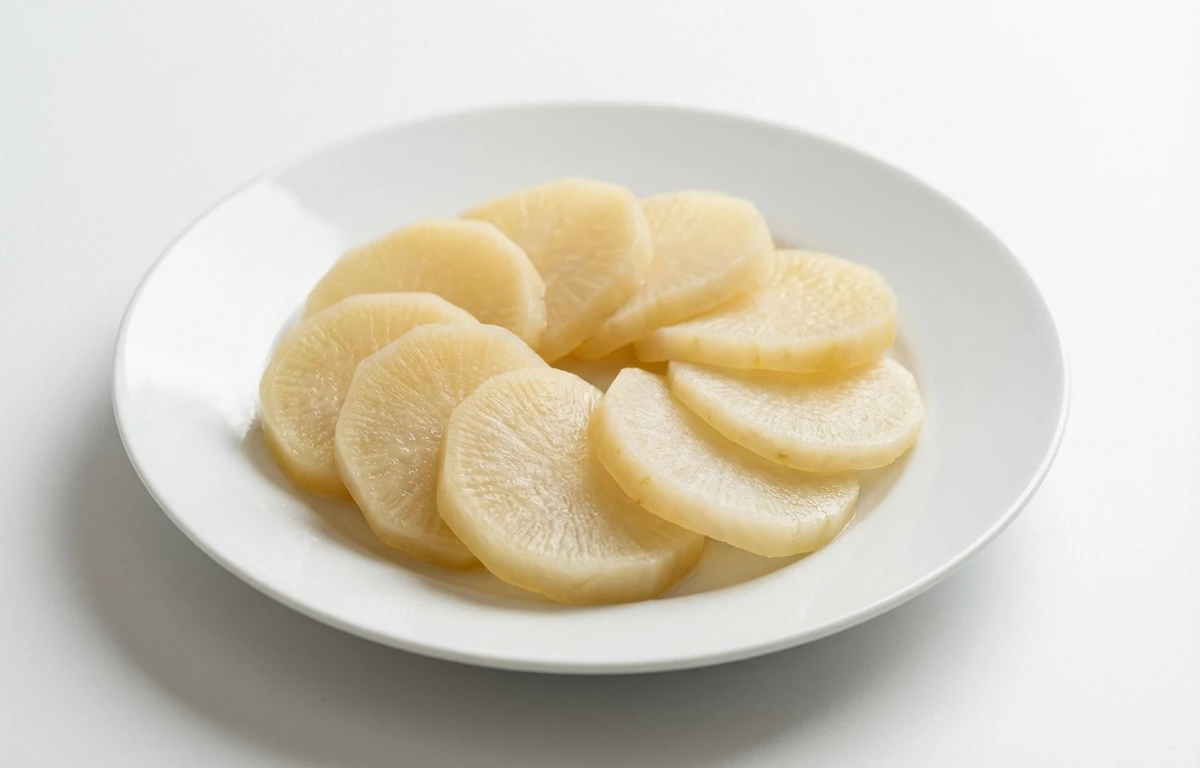
boiled unsalted turnip.
VegetarianVeganGluten-freeDairy-freeNut-freePeanut-freeSoy-freeEgg-freeShellfish-freeHoney-freeAlcohol-freeHalalKosher
ALSO KNOWN AS
neep
SERVING
CALORIES
22
PROTEIN
0.71g
CARBS
5.1g
FAT
0.08g
FIBER
2.0g
NUTRITION PROFILE · per 100 g
Everything in this ingredient.
MACRONUTRIENTS
Calories22kcal—
Protein0.71g1%
Carbohydrates5.1g2%
Fiber2.0g7%
Sugar3.0g6%
Total fat0.08g0%
Saturated fat0.01g0%
Trans fat0g—
Cholesterol0mg0%
Water93.6g—
MINERALS
Sodium16mg1%
Potassium177mg4%
Calcium33mg3%
Iron0.18mg1%
Magnesium9.0mg2%
Phosphorus26mg2%
Zinc0.12mg1%
Copper0mg0%
Manganese0.07mg3%
Selenium0.20µg0%
VITAMINS
Vitamin A0µg0%
Vitamin C11.6mg13%
Vitamin D0µg0%
Vitamin E0.02mg0%
Vitamin K0.10µg0%
Thiamin (B1)0.03mg3%
Riboflavin (B2)0.02mg2%
Niacin (B3)0.30mg2%
Pantothenic acid (B5)0.14mg3%
Vitamin B60.07mg4%
Folate (B9)9.0µg2%
Vitamin B120µg0%
%DV based on a 2,000 cal diet. Source: USDA FoodData Central. A dash in the %DV column means there’s no established Daily Value for that nutrient.
MEASUREMENT CONVERSIONS
How much is what.
1 cup230g
1 tablespoon14.4g
1 teaspoon4.8g
1 ml1g
1 liter958.3g
HEALTH BENEFITS
Why eat it.
- ✓Excellent source of Vitamin C, an antioxidant that supports the immune system and skin health.
- ✓Provides a good amount of dietary fiber, which aids digestion, promotes satiety, and helps regulate blood sugar levels.
- ✓Contains glucosinolates, plant-based compounds that may have anti-inflammatory and cancer-protective properties.
- ✓Low in calories and carbohydrates, making it a suitable choice for weight management diets and a lower-carb alternative to potatoes.
COOKING TIPS
In the kitchen.
- 1Mash boiled turnips with butter, a splash of cream, and seasonings like nutmeg or black pepper for a flavorful alternative to mashed potatoes.
- 2Dice and add pre-boiled turnips to soups, stews, or pot pies during the last 15-20 minutes of cooking to add texture and nutrients without them becoming mushy.
- 3After boiling, toss turnips in olive oil and herbs, then roast at a high temperature (400°F / 200°C) until the edges are caramelized to enhance their sweetness.
- 4To balance their slightly bitter or peppery taste, boil them with a sweet vegetable like a carrot or a piece of apple.
STORAGE
Keep it fresh.
- Store leftover boiled turnips in an airtight container in the refrigerator for 3 to 5 days.
- For longer storage, you can freeze boiled turnips. Mash them first, then place in a freezer-safe bag or container for up to 10 months.
FAQ
Frequently asked questions.
Is boiled unsalted turnip healthy?
Yes, boiled unsalted turnip is highly nutritious and low in calories, containing only 22 calories per 100g. It is an excellent source of Vitamin C for immune support and provides dietary fiber which aids in digestion and heart health.
Is boiled turnip good for weight loss?
Absolutely. Because it is very low in calories and fat but high in fiber, it helps you feel full for longer periods. It serves as a high-volume, low-density food that is perfect for calorie-controlled diets.
Is boiled turnip keto-friendly?
Yes, boiled turnip is considered keto-friendly when consumed in moderation. With approximately 5.06g of carbohydrates per 100g, it is a much lower-carb alternative to starchy root vegetables like potatoes.
Can diabetics eat boiled unsalted turnips?
Yes, turnips are a great choice for diabetics due to their low glycemic index and high fiber content. The fiber helps regulate blood sugar levels by slowing down the absorption of sugar into the bloodstream.
What does a boiled turnip taste like?
Boiled turnips have a mild, slightly sweet, and earthy flavor. Their taste is often described as a cross between a cabbage and a potato, though they can have a very subtle peppery undertone.
Can I use boiled turnip as a substitute for potatoes?
Yes, boiled turnips are one of the most popular low-carb substitutes for potatoes. They can be mashed, added to stews, or used in salads to provide a similar texture with significantly fewer carbohydrates and calories.
How long does boiled turnip last in the refrigerator?
Once boiled, turnips should be stored in an airtight container in the fridge. They will typically stay fresh and maintain their quality for 3 to 5 days.
Can I freeze boiled turnips?
Yes, you can freeze boiled turnips. For the best results, mash them or cut them into cubes and store them in a heavy-duty freezer bag; they will remain safe to eat for up to 10 months.
Do I need to peel turnips before boiling them?
It is generally recommended to peel turnips, especially larger ones, as the skin can be tough and slightly bitter. However, very small, young turnips have thin skins that can be left on if scrubbed thoroughly.
What are the specific health benefits of the glucosinolates in turnips?
Turnips contain glucosinolates, which are sulfur-containing compounds that have been studied for their anti-inflammatory and cancer-protective properties. These phytonutrients help protect cells from DNA damage and may inhibit the growth of certain types of cancer cells.



















