
meat
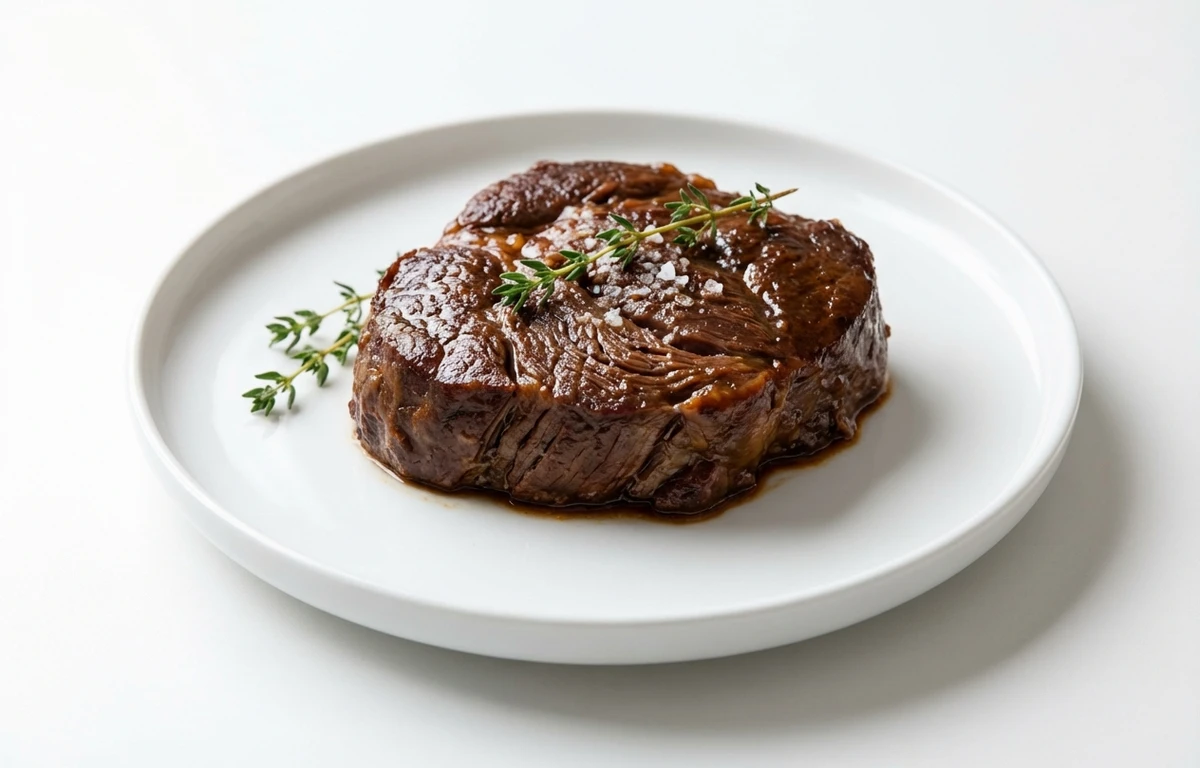
Boneless Beef.
VegetarianVeganGluten-freeDairy-freeNut-freePeanut-freeSoy-freeEgg-freeShellfish-freeHoney-freeAlcohol-free
ALSO KNOWN AS
beef meatbovine meat
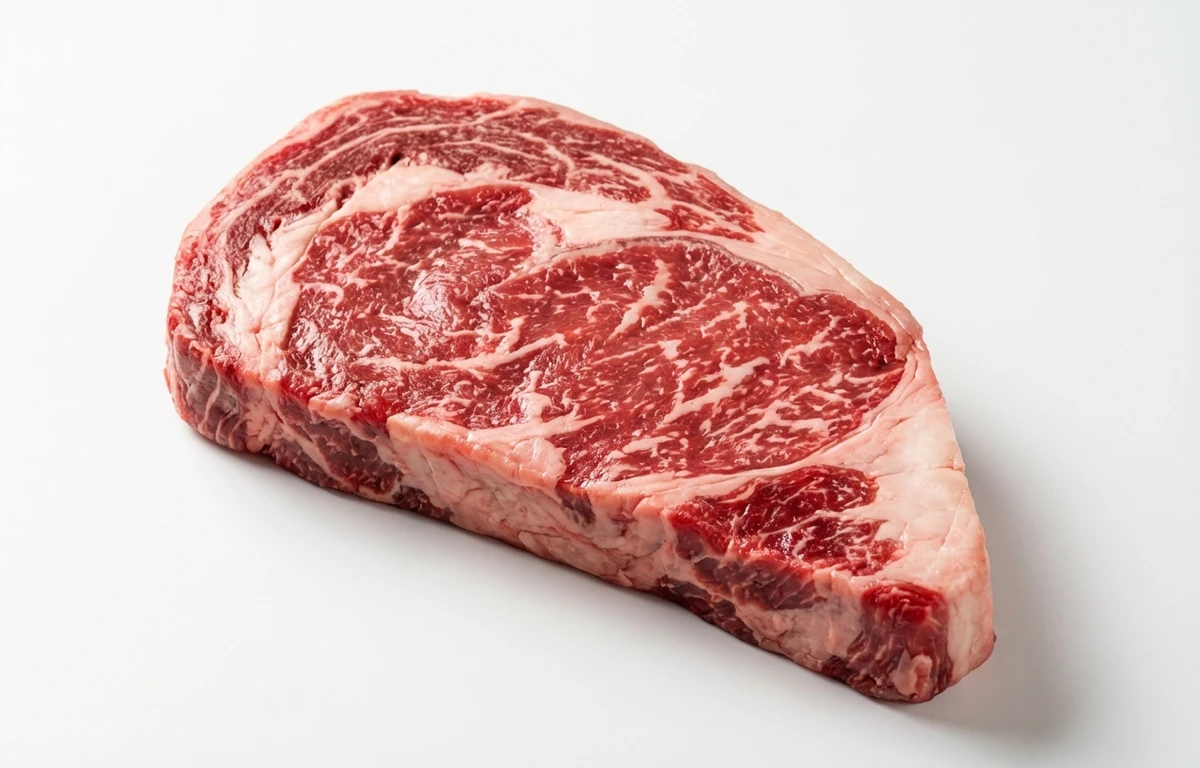
SERVING
CALORIES
250
PROTEIN
26.1g
CARBS
0g
FAT
15.4g
FIBER
0g
This ingredient is flagged as naturally gluten-free. Per 100 g, it provides 1.1 µg of vitamin K.
NUTRITION PROFILE · per 100 g
Everything in this ingredient.
MACRONUTRIENTS
Calories250kcal—
Protein26.1g52%
Carbohydrates0g0%
Fiber0g0%
Sugar0g0%
Total fat15.4g20%
Saturated fat6.1g31%
Trans fat1.1g—
Cholesterol90mg30%
Water58.2g—
MINERALS
Sodium72mg3%
Potassium318mg7%
Calcium18mg1%
Iron2.6mg14%
Magnesium21mg5%
Phosphorus198mg16%
Zinc6.3mg57%
Copper0.10mg11%
Manganese0.01mg0%
Selenium22.4µg41%
VITAMINS
Vitamin A0µg0%
Vitamin C0mg0%
Vitamin D0.10µg1%
Vitamin E0.20mg1%
Vitamin K1.1µg1%
Thiamin (B1)0.08mg7%
Riboflavin (B2)0.18mg14%
Niacin (B3)5.3mg33%
Pantothenic acid (B5)0.60mg12%
Vitamin B60.40mg24%
Folate (B9)7.0µg2%
Vitamin B122.6µg108%
%DV based on a 2,000 cal diet. Source: USDA FoodData Central. A dash in the %DV column means there’s no established Daily Value for that nutrient.
MEASUREMENT CONVERSIONS
How much is what.
1 cup150g
1 tablespoon9g
1 teaspoon3g
1 oz28.4g
1 lb453.6g
HEALTH BENEFITS
Why eat it.
- ✓Excellent source of high-quality complete protein for muscle repair
- ✓Rich in Vitamin B12 which is essential for red blood cell formation
- ✓Contains creatine which may improve exercise performance
COOKING TIPS
In the kitchen.
- 1Pat the meat dry with paper towels before cooking to ensure a proper brown sear
- 2Allow the beef to rest for 5-10 minutes after cooking to redistribute juices
- 3Cut against the grain to break up tough muscle fibers for a more tender bite
STORAGE
Keep it fresh.
- Store in the coldest part of the refrigerator for 3 to 5 days
- Keep in original airtight packaging or wrap tightly in plastic wrap to prevent oxidation
- Freeze for long-term storage (6-12 months) in moisture-proof freezer bags
FAQ
Frequently asked questions.
How long does raw boneless beef last in the fridge?
Raw boneless beef typically lasts 3 to 5 days in the refrigerator when stored at or below 40°F (4°C).
Can I freeze boneless beef?
Yes, boneless beef freezes very well. For best quality, use within 6 to 12 months, though it remains safe indefinitely if kept frozen at 0°F.
What is the best way to thaw frozen beef?
The safest way is in the refrigerator overnight. For faster thawing, use a cold water bath, changing the water every 30 minutes.
How can I tell if the beef has gone bad?
Signs of spoilage include a sour or ammonia-like smell, a slimy or sticky texture, and a distinct grey or greenish color.
What are good substitutes for beef?
Depending on the recipe, you can use lamb, bison, venison, or plant-based meat alternatives like seitan or soy-based crumbles.
Why does beef sometimes turn grey in the middle of the package?
This is often due to a lack of oxygen reaching the center (oxidation), which is normal and doesn't necessarily mean the meat is spoiled if it smells fresh.
What is the recommended internal cooking temperature?
For safety and quality, steaks and roasts should reach an internal temperature of 145°F (63°C) followed by a 3-minute rest.
Is boneless beef high in iron?
Yes, beef is one of the best sources of heme iron, which is more easily absorbed by the body than the non-heme iron found in plants.
SAME CATEGORY
Other meat.
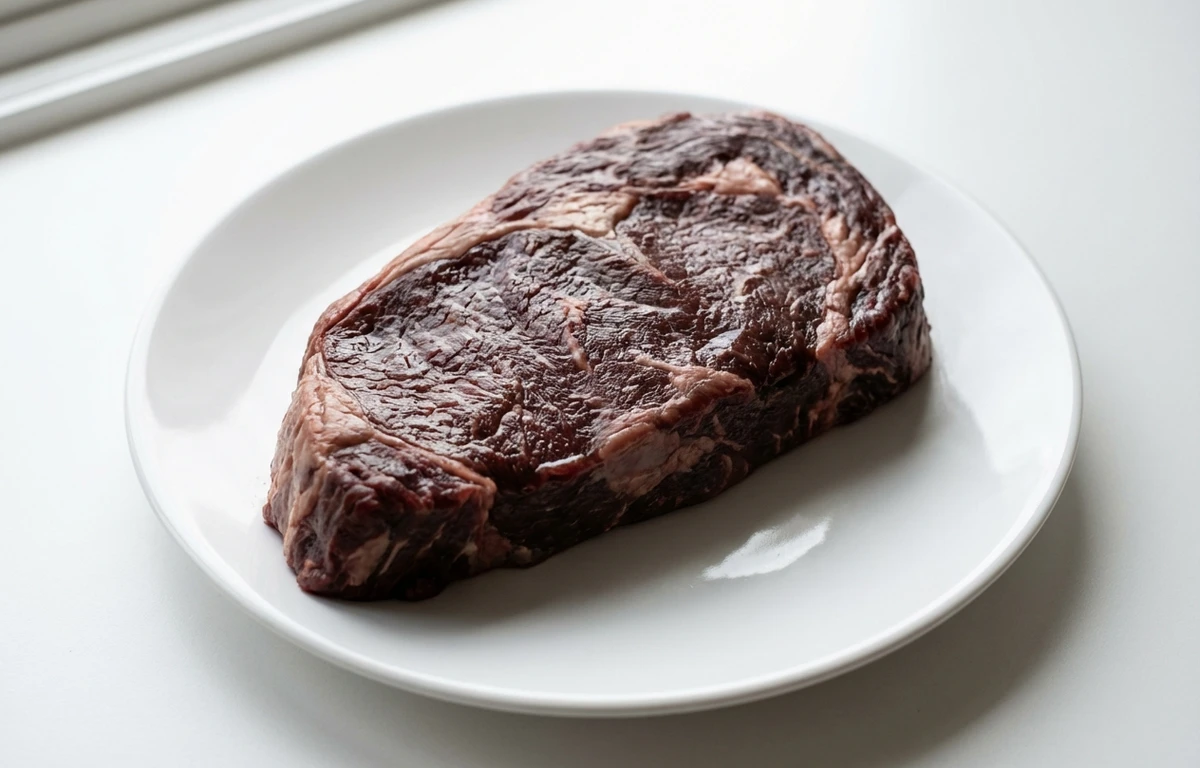
black bear meat
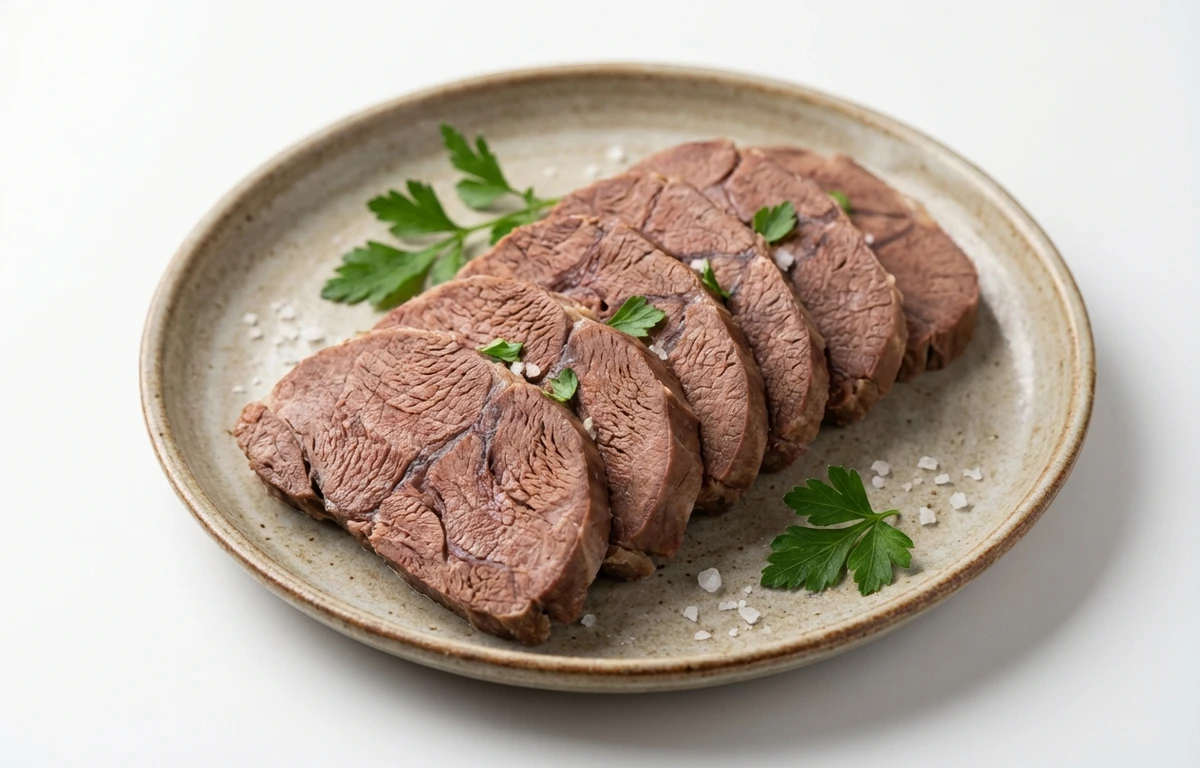
boiled beef heart
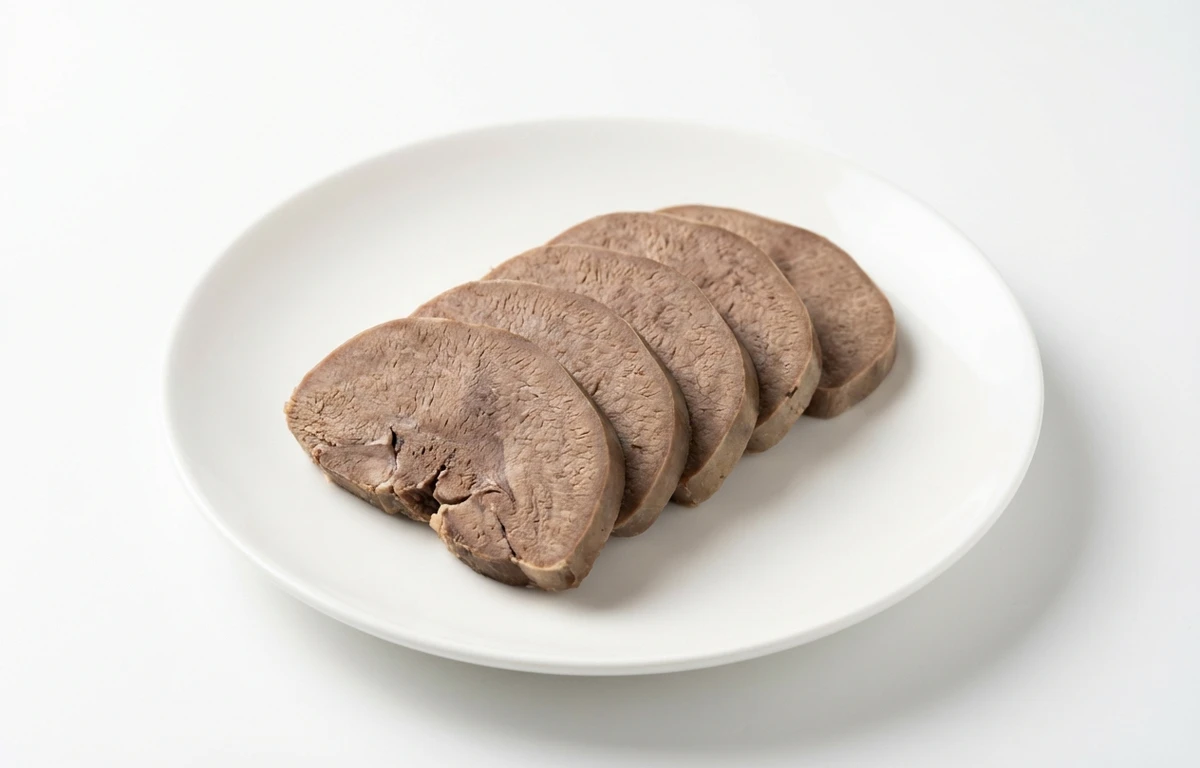
boiled beef kidney
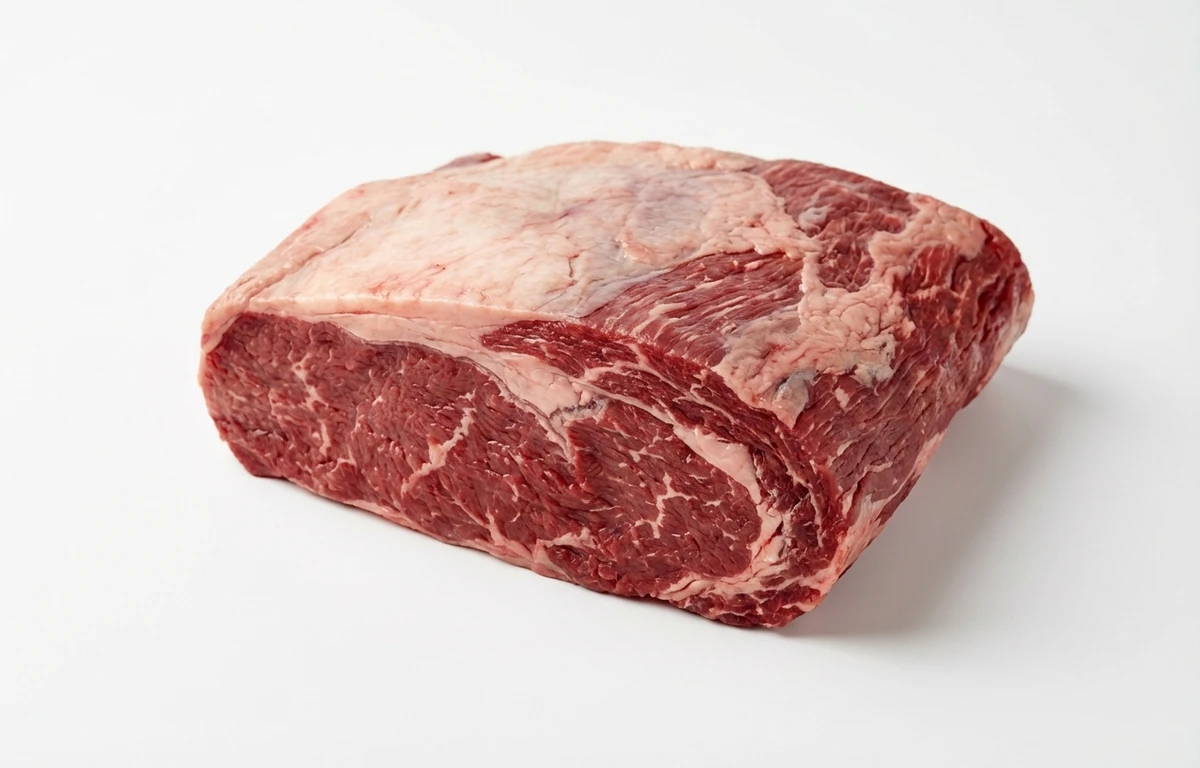
braised beef brisket navel end lean
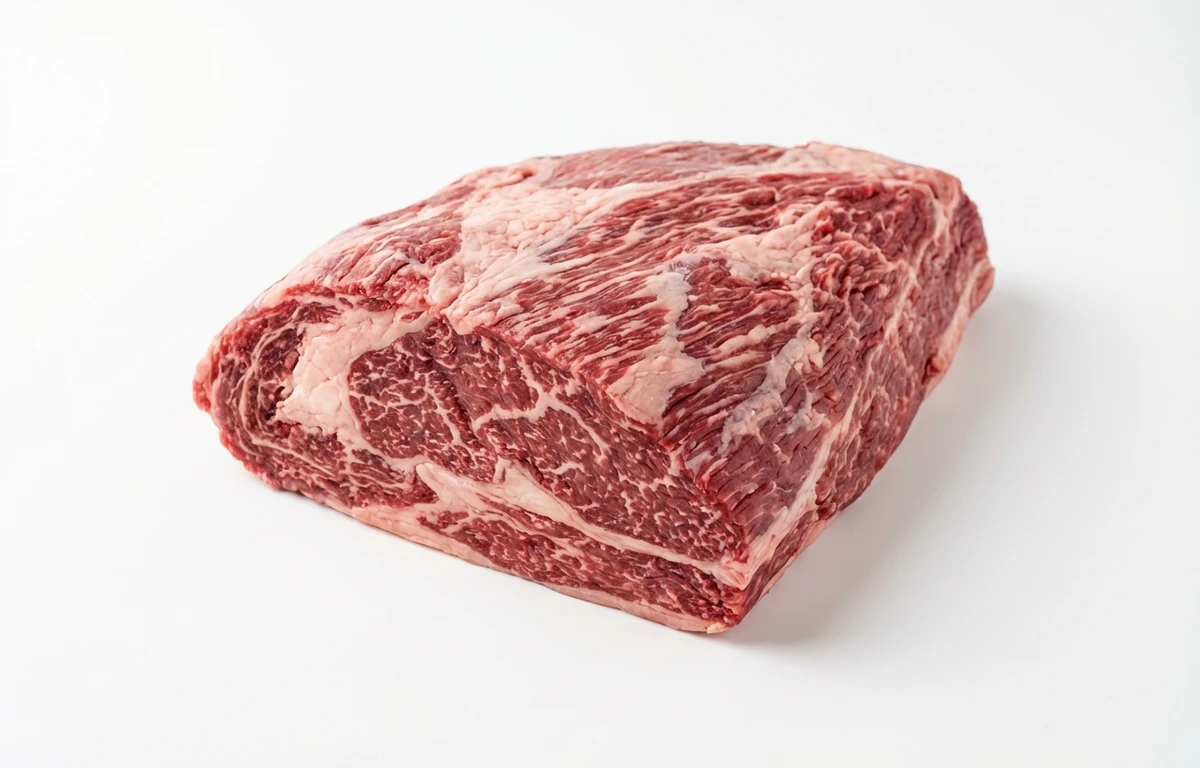
braised beef brisket point end lean
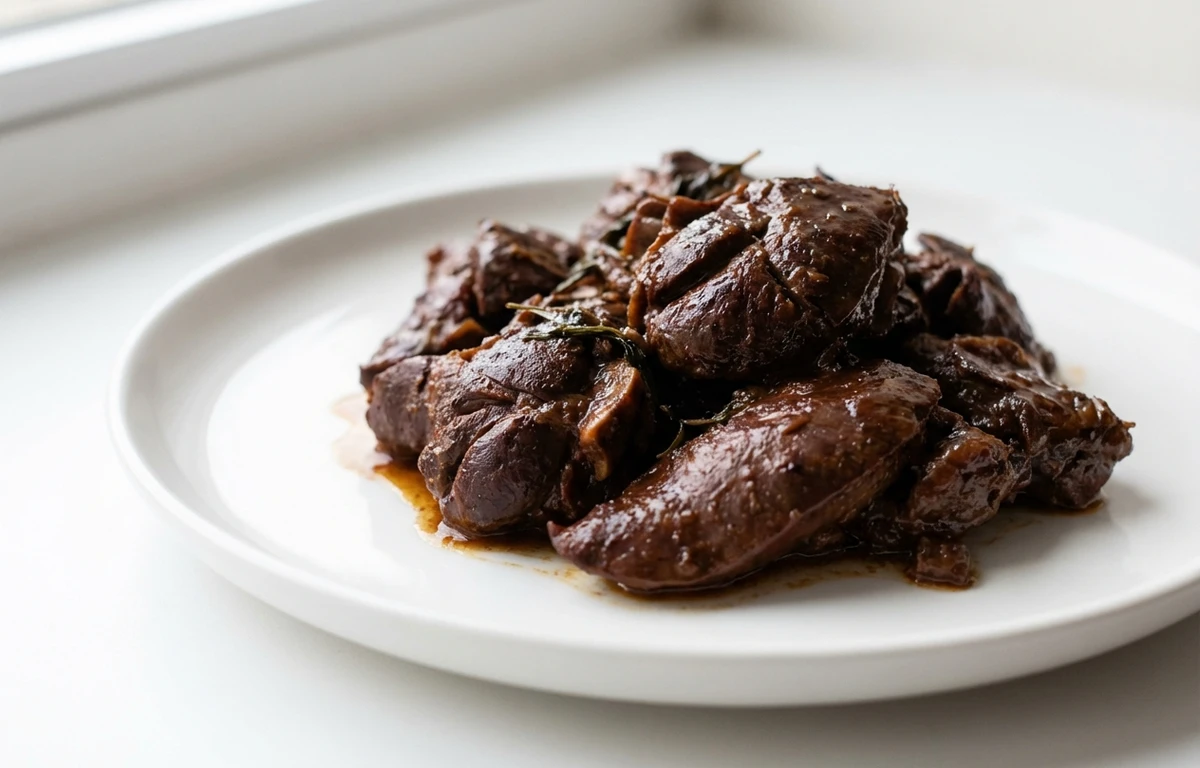
braised cooked lamb lungs
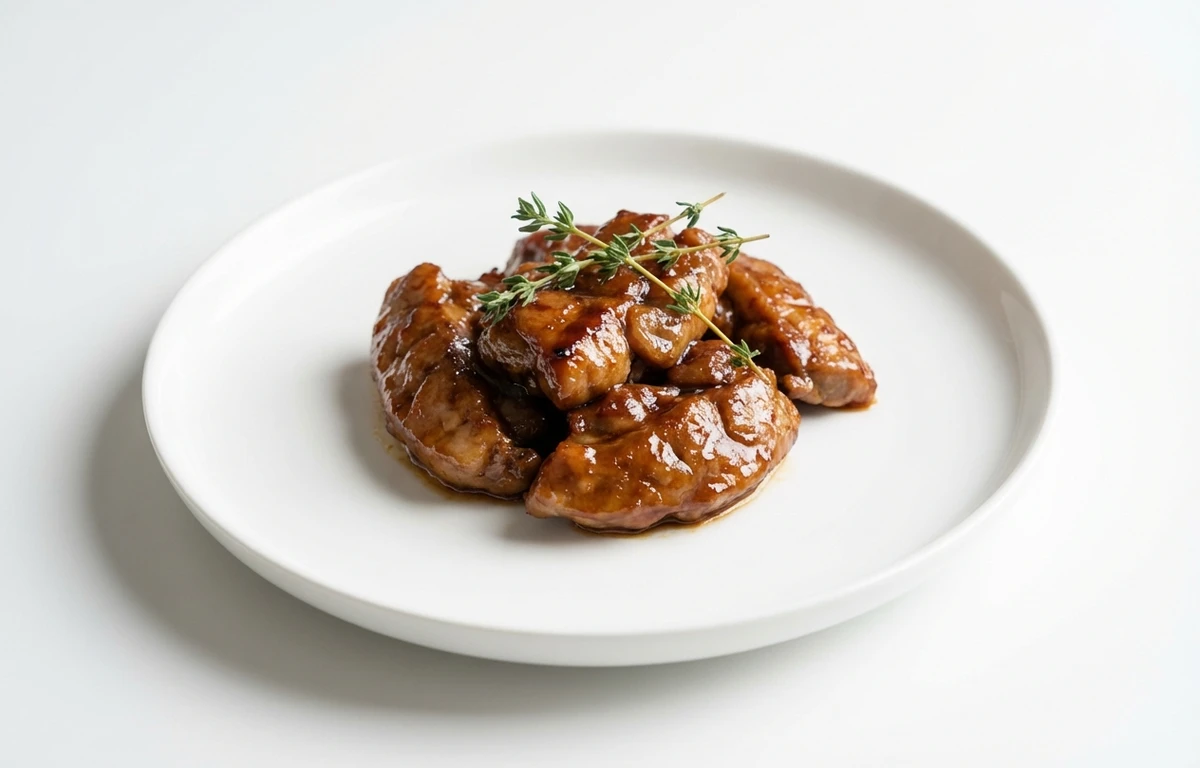
braised cooked lamb pancreas
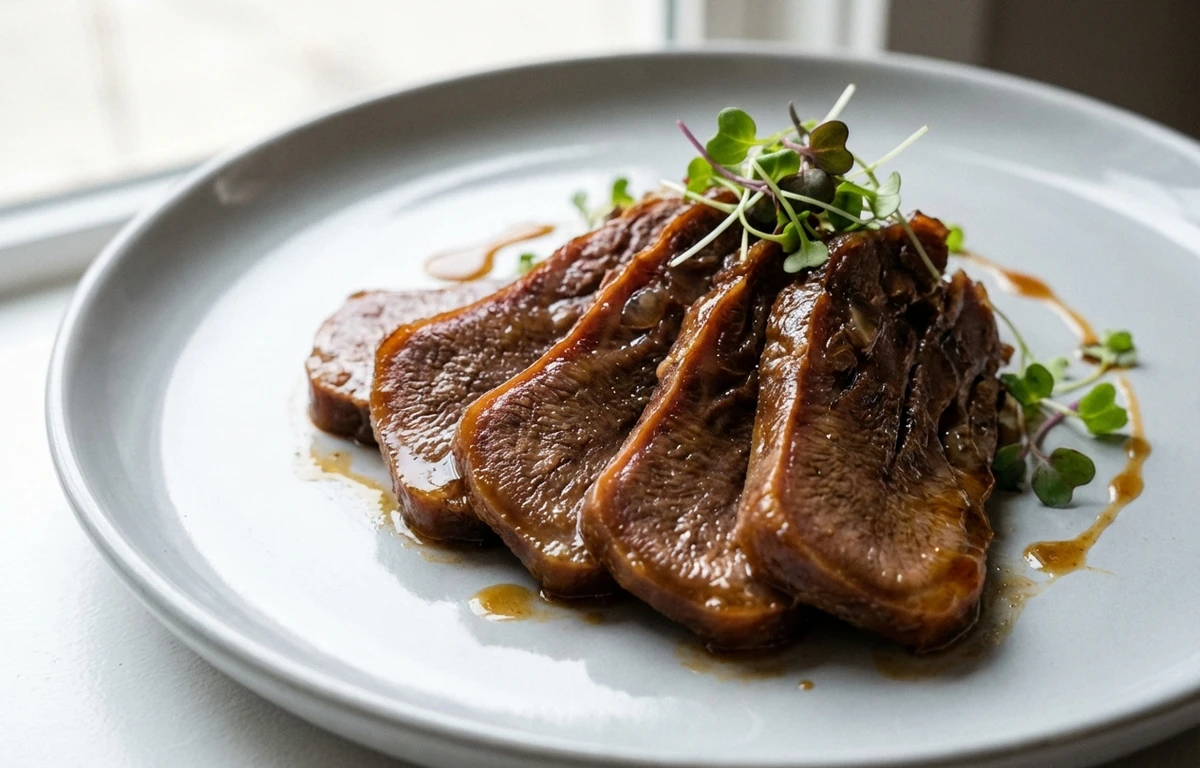
braised cooked lamb tongue
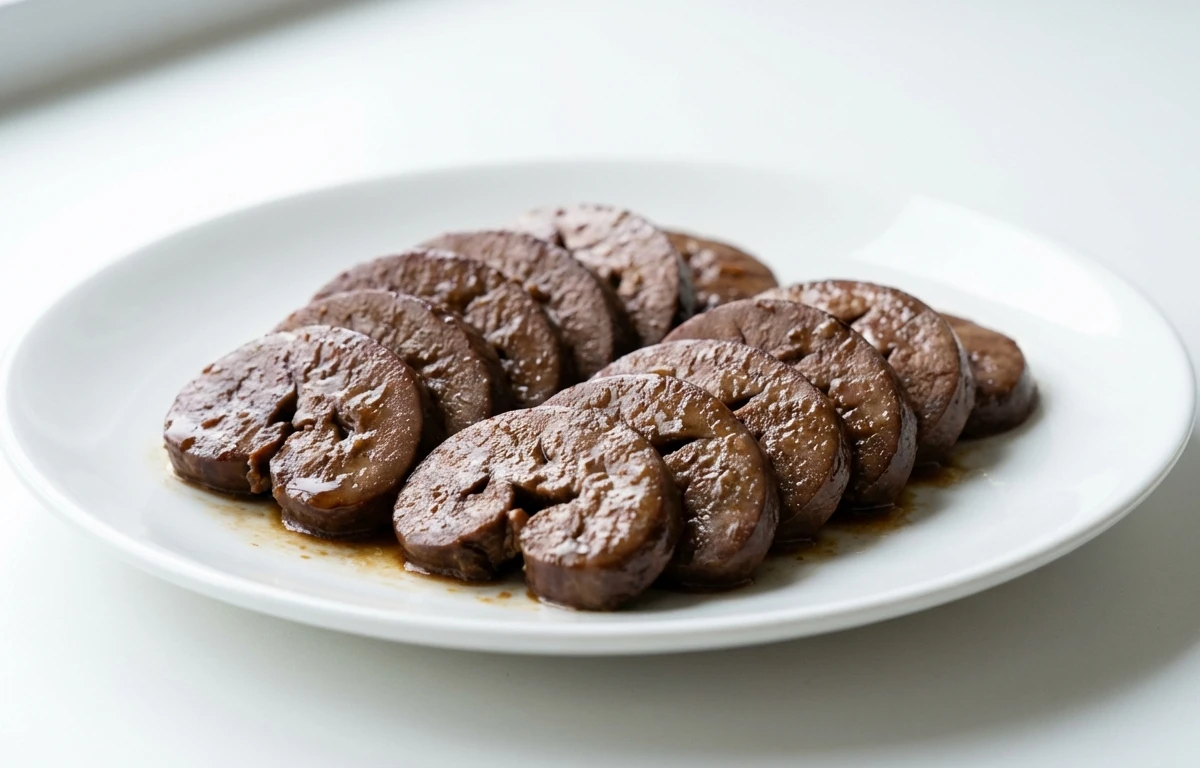
braised cooked pork kidneys
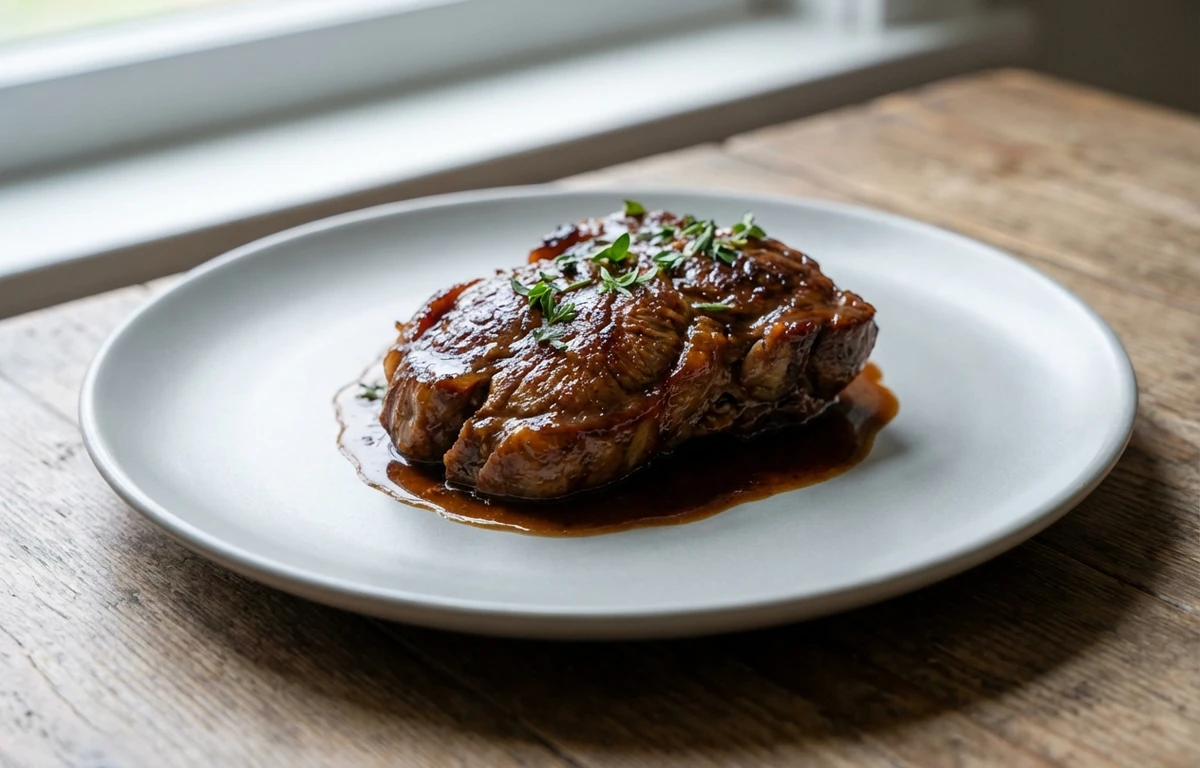
braised cooked veal thymus
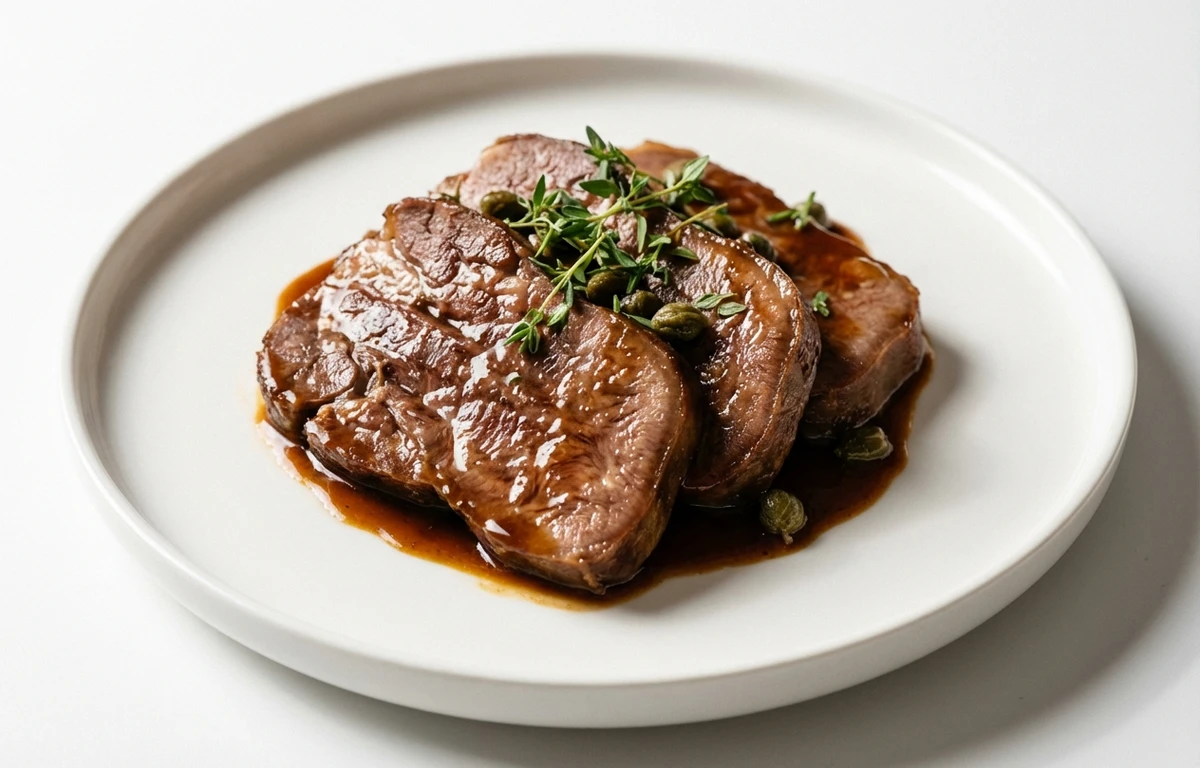
braised cooked veal tongue
braised select bottom round beef steak









