
Loading...
Per 100g
Nutrition data source: USDA FoodData Central
Common measurement equivalents in grams
It typically stays fresh for 3 to 5 days when kept at or below 40°F (4°C).
Yes, it freezes very well. Wrap it tightly in plastic wrap and then foil or a freezer bag to prevent freezer burn; it lasts up to a year.
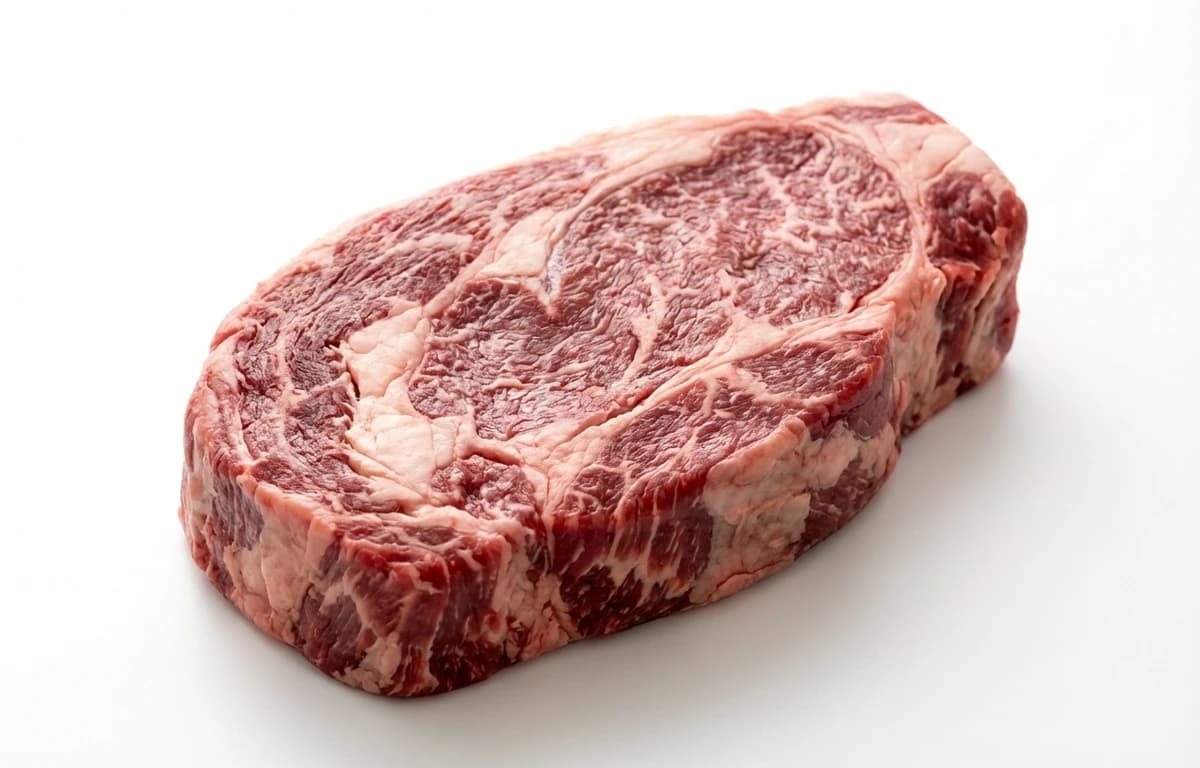
Look for a piece with good marbling (white flecks of fat) and a bright cherry-red color. Avoid meat that looks grey or has a slimy texture.
Beef brisket, short ribs, or bottom round roast are excellent substitutes for slow-cooking recipes.
No, washing meat can spread bacteria around your kitchen. Cooking to the proper internal temperature will kill any bacteria.
Chuck comes from the shoulder area which gets a lot of exercise, resulting in more connective tissue. This requires slow cooking to melt into gelatin.
It is considered a moderately fatty cut compared to the loin, but it can be trimmed of external fat to reduce calorie count.
It is the primary cut used for pot roast, beef stew, and is often ground to make high-quality hamburger meat.
For pot roasts, an internal temperature of 190°F to 200°F is ideal for the meat to become 'fork-tender'.
Boneless Beef Chuck is a versatile ingredient found in cuisines around the world. With 176 calories per 100g and 19.4 grams of protein, it's a nutritious addition to many dishes.
Explore more ingredients in the meat category with complete nutrition information.
View all meat →Discover 1 recipes featuring boneless beef chuck with step-by-step instructions.
Browse recipes →