
meat
Boneless Chicken Thighs.
VegetarianVeganGluten-freeDairy-freeNut-freePeanut-freeSoy-freeEgg-freeShellfish-freeHoney-freeAlcohol-free
ALSO KNOWN AS
boneless skinless chicken thighchicken thigh filletsmurgh rannthigh meatchicken thigh meatdark meat chickenchicken leg meatmurgh thighboneless chicken thighChicken Thigh
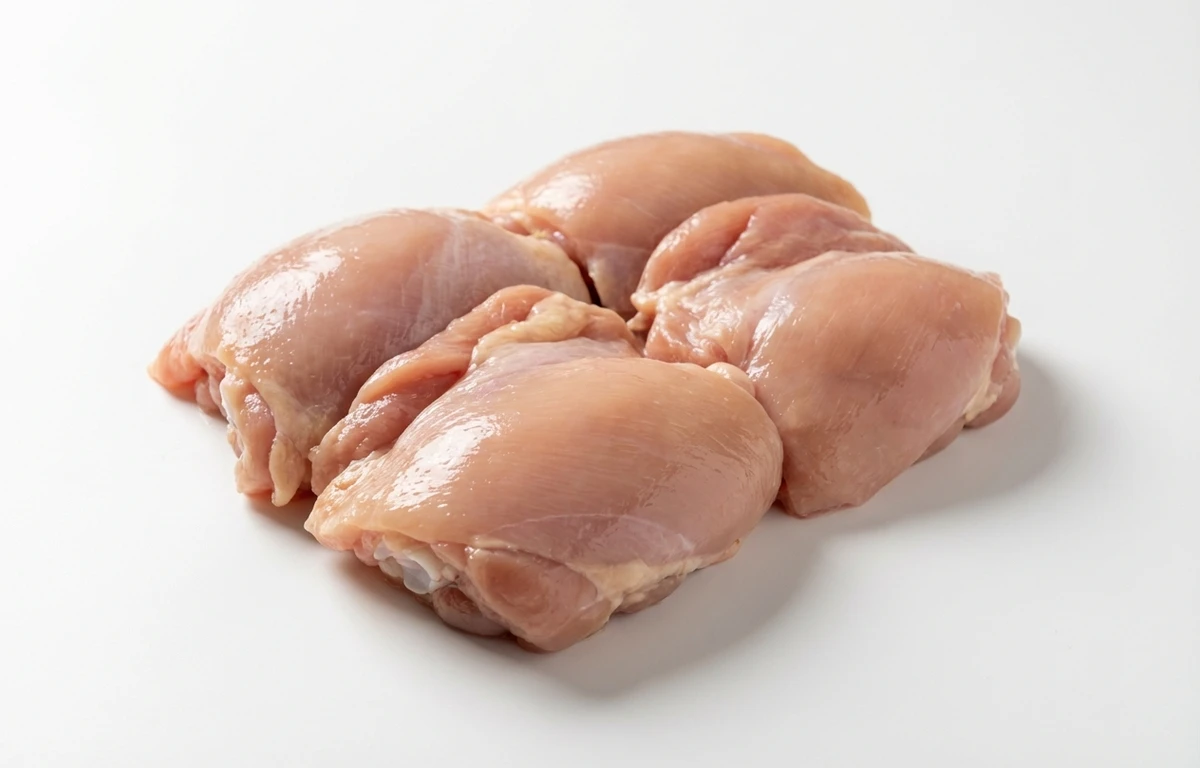
SERVING
CALORIES
165
PROTEIN
19g
CARBS
0g
FAT
9.5g
FIBER
0g
This ingredient is flagged as naturally gluten-free. Per 100 g, it provides 0.10 µg of vitamin K.
NUTRITION PROFILE · per 100 g
Everything in this ingredient.
MACRONUTRIENTS
Calories165kcal—
Protein19g38%
Carbohydrates0g0%
Fiber0g0%
Sugar0g0%
Total fat9.5g12%
Saturated fat2.5g13%
Cholesterol110mg37%
Water69g—
MINERALS
Sodium80mg3%
Potassium280mg6%
Calcium12mg1%
Iron1.2mg7%
Magnesium22mg5%
Phosphorus220mg18%
Zinc2.1mg19%
Copper0.07mg8%
Manganese0.01mg0%
Selenium25µg45%
VITAMINS
Vitamin A11µg1%
Vitamin D0.10µg1%
Vitamin E0.10mg1%
Vitamin K0.10µg0%
Thiamin (B1)0.12mg10%
Riboflavin (B2)0.18mg14%
Niacin (B3)7.0mg44%
Pantothenic acid (B5)0.90mg18%
Vitamin B60.35mg21%
Folate (B9)8.0µg2%
Vitamin B120.35µg15%
%DV based on a 2,000 cal diet. Source: USDA FoodData Central. A dash in the %DV column means there’s no established Daily Value for that nutrient.
MEASUREMENT CONVERSIONS
How much is what.
1 oz28.4g
1 lb453.6g
1 piece120g
HEALTH BENEFITS
Why eat it.
- ✓Excellent source of high-quality protein for muscle growth and repair.
- ✓Rich in B vitamins (Niacin, B6, B12) essential for energy metabolism.
COOKING TIPS
In the kitchen.
- 1Chicken thighs are versatile and can be grilled, baked, pan-fried, or braised.
- 2Marinating chicken thighs adds flavor and helps tenderize the meat.
- 3Cook to an internal temperature of 165°F (74°C) to ensure safety.
STORAGE
Keep it fresh.
- Store raw chicken thighs in the coldest part of the refrigerator for 1-2 days.
- For longer storage, freeze in airtight packaging for up to 9 months.
- Thaw frozen chicken in the refrigerator, never at room temperature.
FAQ
Frequently asked questions.
How much protein is in boneless chicken thighs?
A 100g serving of boneless chicken thighs contains approximately 19 grams of protein. This high protein content makes them an effective food for building muscle, supporting metabolism, and promoting a feeling of fullness.
Are chicken thighs keto-friendly?
Yes, boneless chicken thighs are ideal for a keto or low-carb diet as they contain zero carbohydrates. Their moderate fat content (9.5g per 100g) provides a good energy source for those in ketosis compared to leaner cuts like chicken breast.
What is the difference between chicken thighs and chicken breasts?
Chicken thighs are dark meat, meaning they have a higher fat content and more iron and zinc than white meat breasts. While breasts are lower in calories, thighs are more flavorful, juicier, and less likely to dry out during high-heat cooking.
How do you cook boneless chicken thighs?
They are highly versatile and can be grilled, pan-seared, roasted, or air-fried. For the best results, cook them to an internal temperature of 165°F (74°C); their higher fat content allows them to stay moist even if slightly overcooked.
What do boneless chicken thighs taste like?
Chicken thighs have a richer, more savory flavor than chicken breasts due to their higher fat content and the presence of connective tissue. They have a tender, succulent texture that absorbs marinades and seasonings very well.
Are boneless chicken thighs gluten-free?
In their natural, raw state, boneless chicken thighs are 100% gluten-free. However, if you are buying pre-marinated or breaded thighs, you must check the label for wheat-based thickeners or soy sauce which may contain gluten.
How long do raw chicken thighs last in the fridge?
Raw boneless chicken thighs should be stored in the coldest part of the refrigerator and used within 1 to 2 days. If you do not plan to cook them within that timeframe, they should be wrapped tightly and frozen.
How do you know if boneless chicken thighs have gone bad?
Signs of spoilage include a strong, sour, or ammonia-like odor, a slimy or tacky texture on the surface, and a change in color from pink to grey or green. If any of these signs are present, the meat should be discarded immediately.
RELATED GUIDES
More about boneless chicken thighs.
SAME CATEGORY
Other meat.
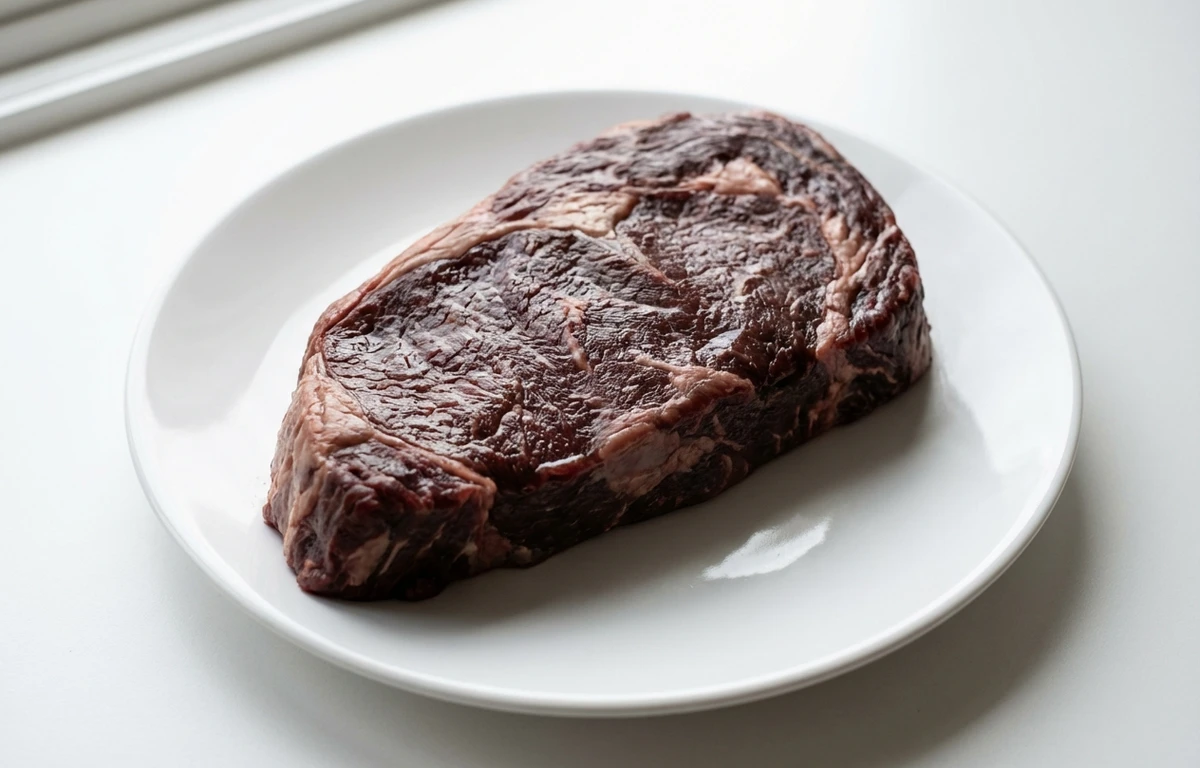
black bear meat
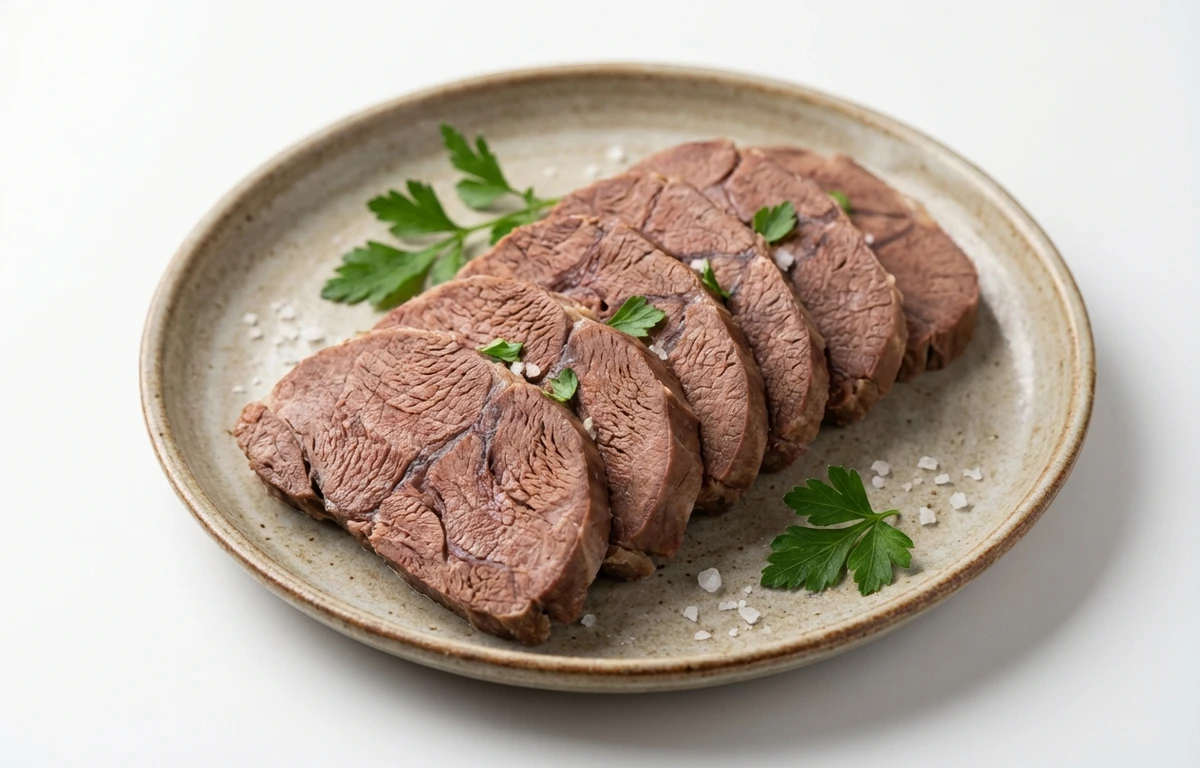
boiled beef heart
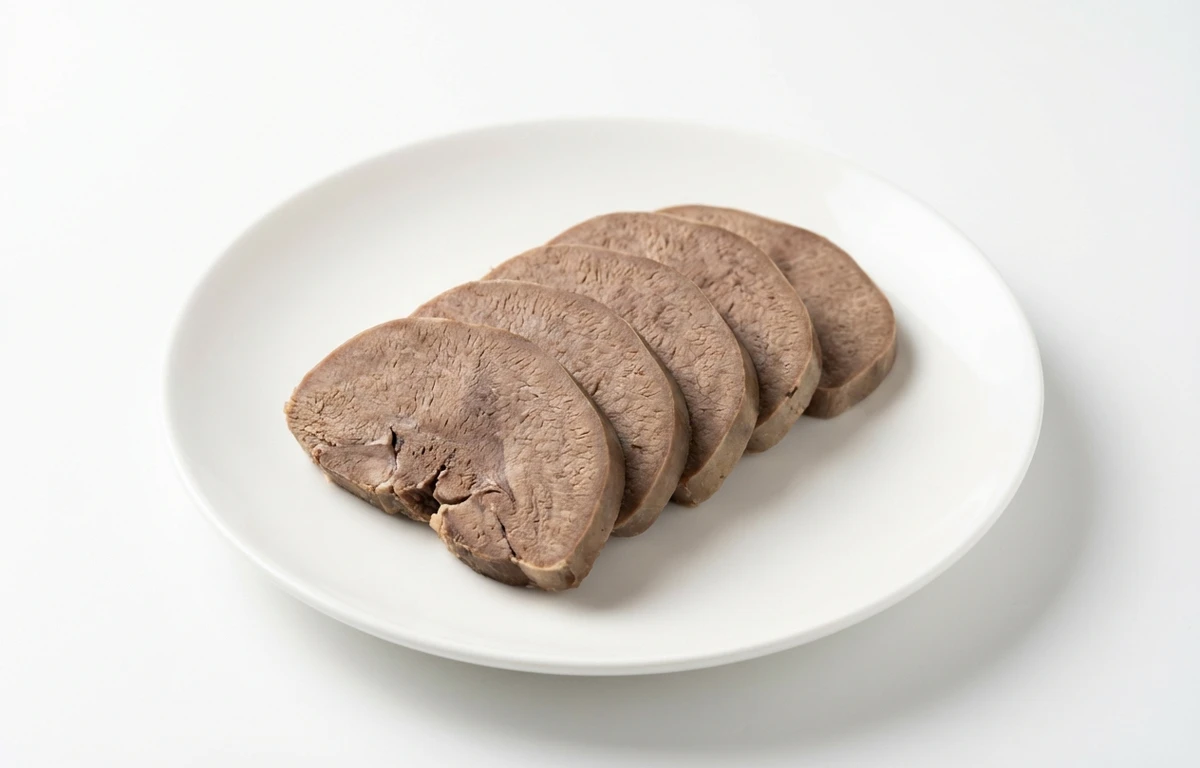
boiled beef kidney
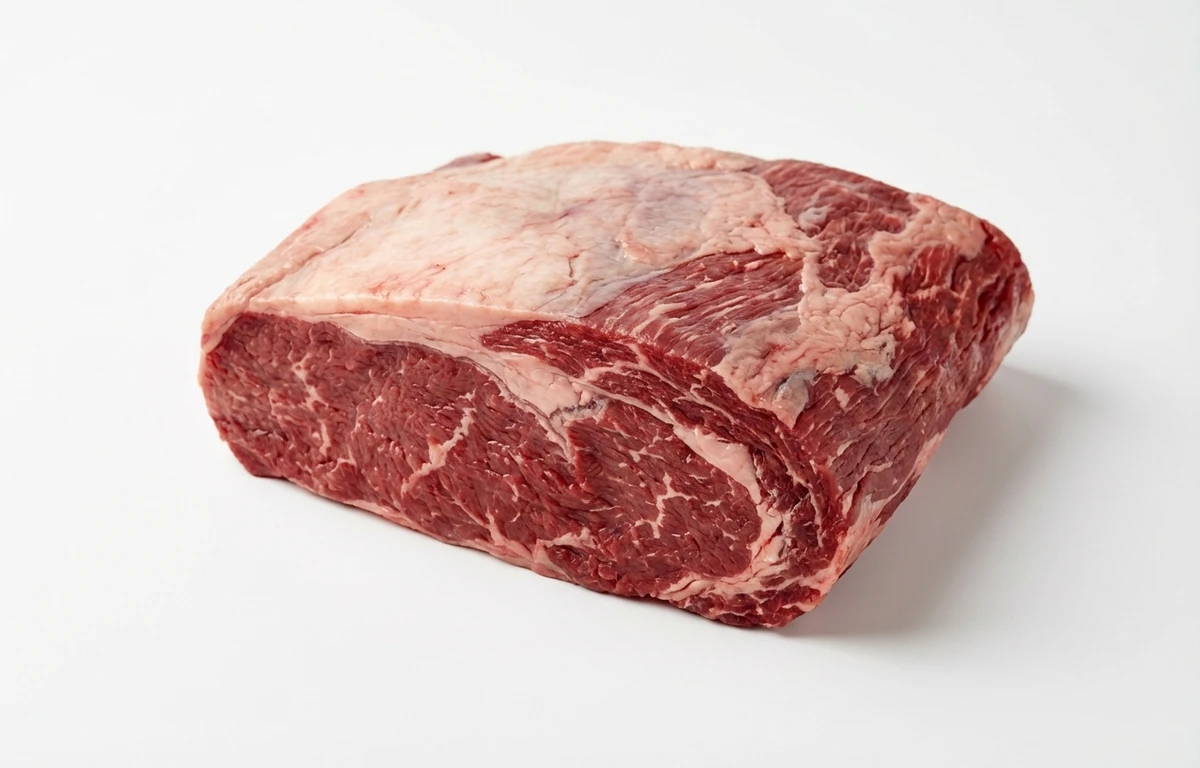
braised beef brisket navel end lean
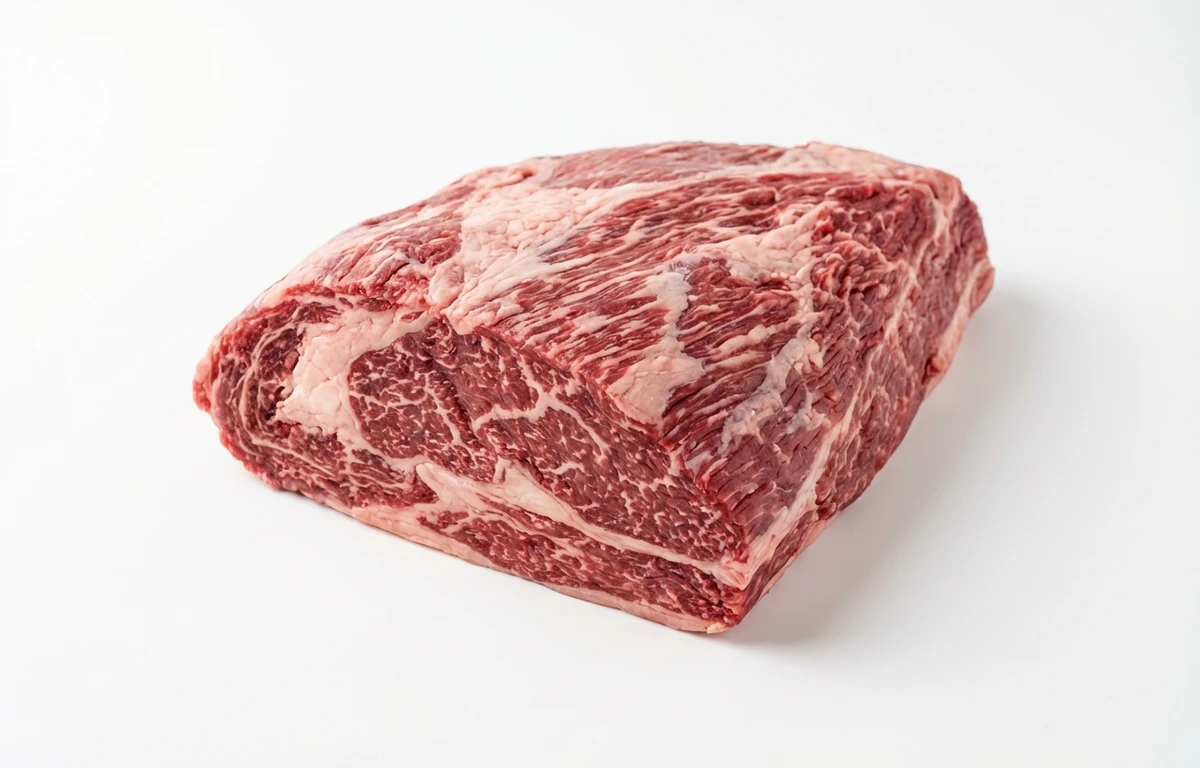
braised beef brisket point end lean
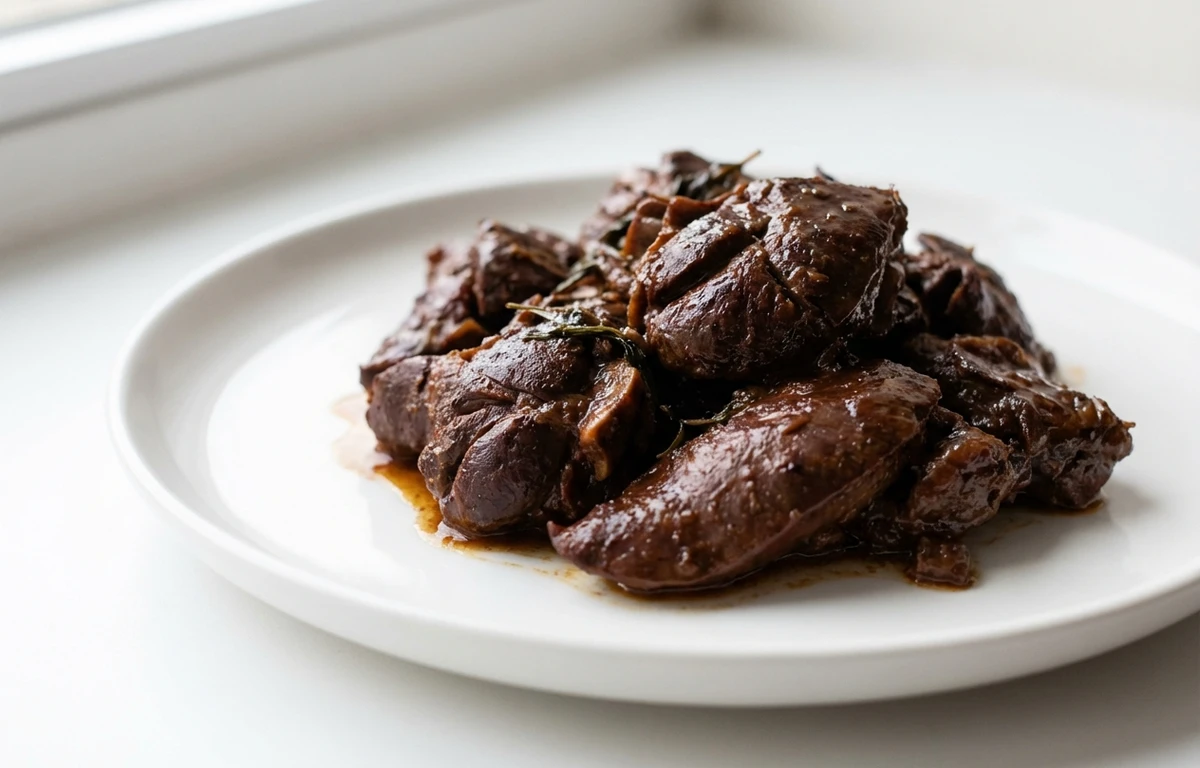
braised cooked lamb lungs
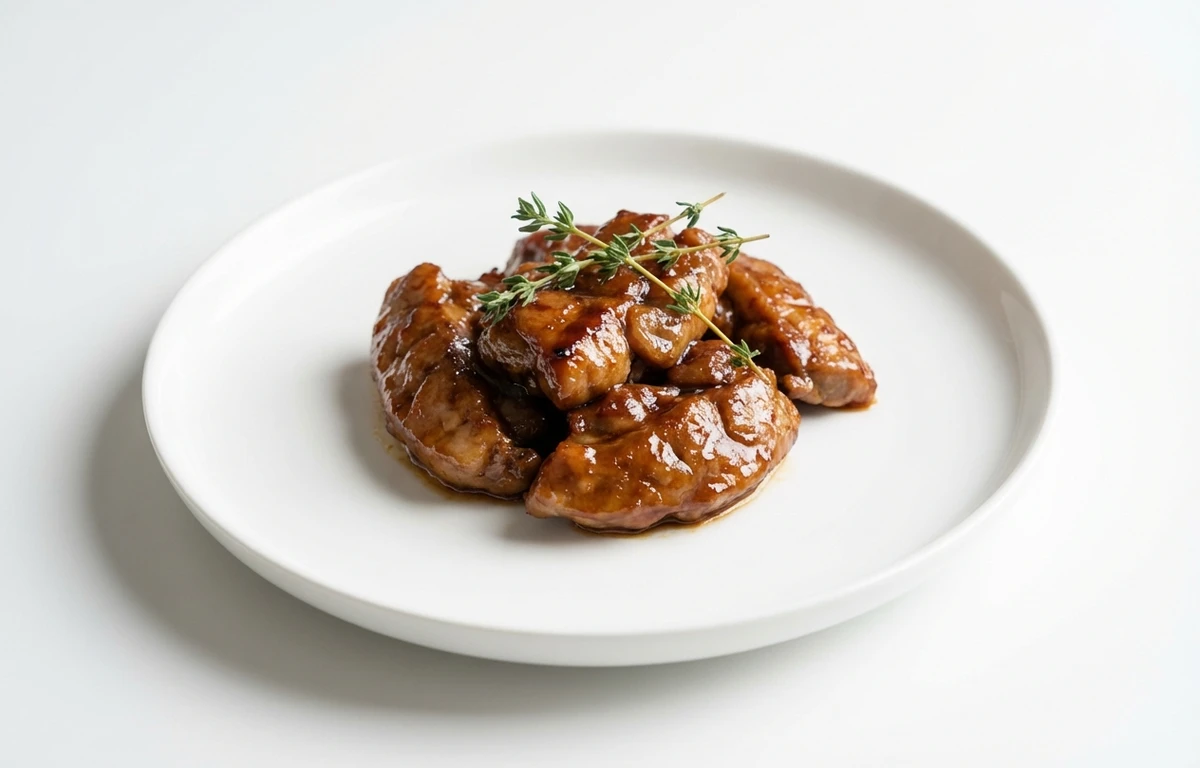
braised cooked lamb pancreas
braised cooked lamb tongue
braised cooked pork kidneys
braised cooked veal thymus
braised cooked veal tongue
braised select bottom round beef steak









