
Loading...
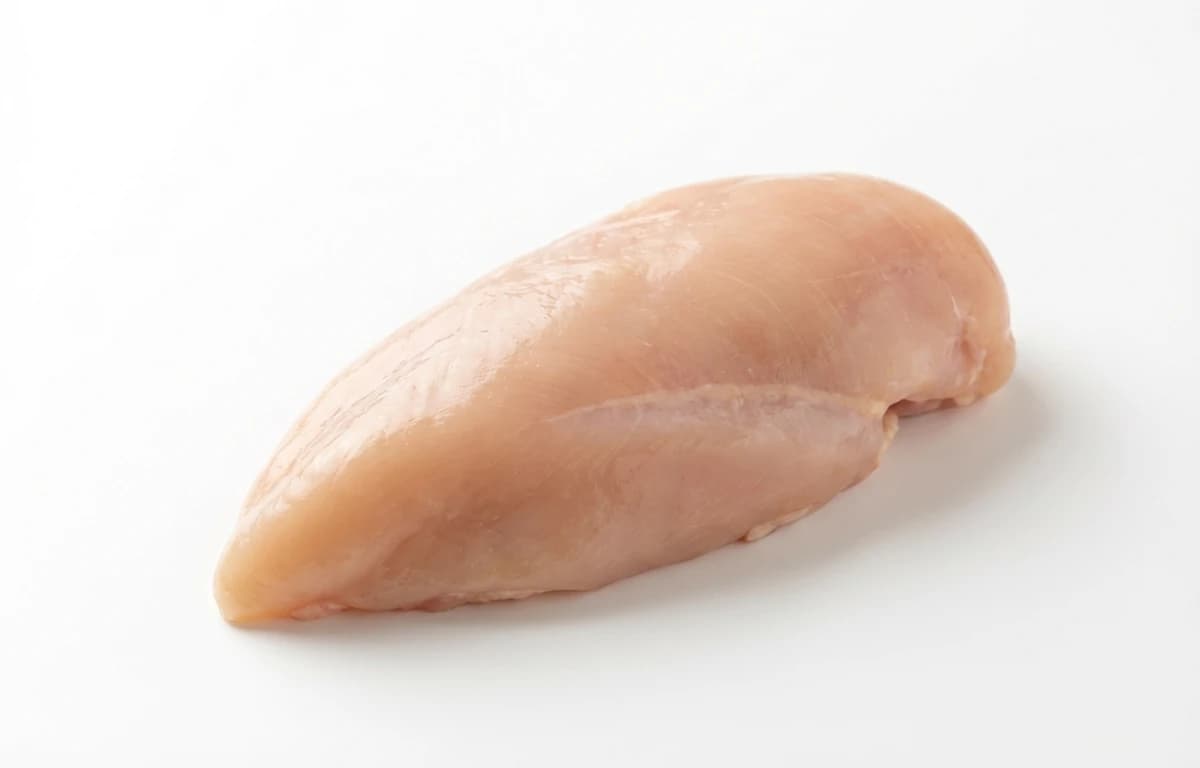
Also known as: chicken breast, BSCB
Per 100g
Nutrition data source: USDA FoodData Central
Common measurement equivalents in grams
Yes, it is an excellent source of lean protein and is low in both fat and calories. It provides essential nutrients like niacin and selenium, which support energy metabolism, immune function, and heart health.
A 100g serving of boneless, skinless chicken breast contains approximately 22.5g of protein. This high protein content makes it ideal for muscle growth, repair, and maintaining a healthy metabolism.
Yes, it is one of the best foods for weight management because it is nutrient-dense but low in calories (120 per 100g). The high protein content also helps increase satiety, keeping you full for longer periods.
Yes, it is keto-friendly as it contains 0g of carbohydrates. However, since it is very lean, those on a strict keto diet may need to cook it with healthy fats like butter or olive oil to meet their daily fat requirements.
Plain, raw chicken breast is naturally gluten-free. If you are buying pre-marinated or breaded chicken, check the label carefully as those versions often contain wheat-based thickeners or coatings.
To keep it juicy, avoid overcooking and consider brining the meat in salt water for 30 minutes before cooking. You can also sear it quickly over high heat to lock in moisture before finishing it at a lower temperature.
Chicken breast should be cooked to an internal temperature of 165°F (74°C). Use a meat thermometer inserted into the thickest part of the breast to ensure it is safe to eat while remaining tender.
boneless, skinless chicken breast is a versatile ingredient found in cuisines around the world. With 120 calories per 100g and 22.5 grams of protein, it's a nutritious addition to many dishes.
Explore more ingredients in the protein category with complete nutrition information.
View all protein →Discover 10 recipes featuring boneless, skinless chicken breast with step-by-step instructions.
Browse recipes →Raw chicken breast should be stored in the coldest part of the refrigerator and used within 1 to 2 days. If you cannot use it within this window, it should be moved to the freezer for long-term storage.
Yes, it can be frozen for up to 9 months for best quality. Ensure it is wrapped tightly in airtight packaging or vacuum-sealed to prevent freezer burn, and always thaw it in the refrigerator for safety.
Chicken breast is leaner and lower in calories than thighs, which contain more fat and dark meat. While thighs are often more flavorful and harder to overcook, breasts are the preferred choice for those strictly monitoring fat and calorie intake.