seafood
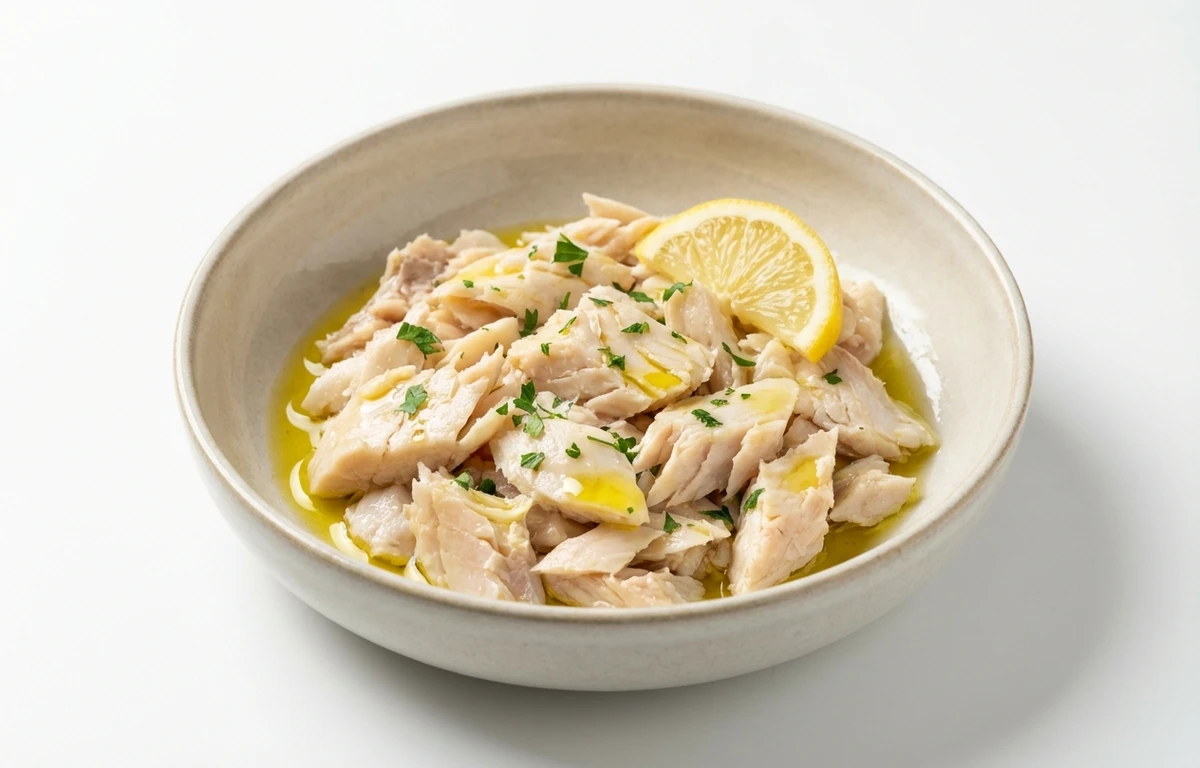
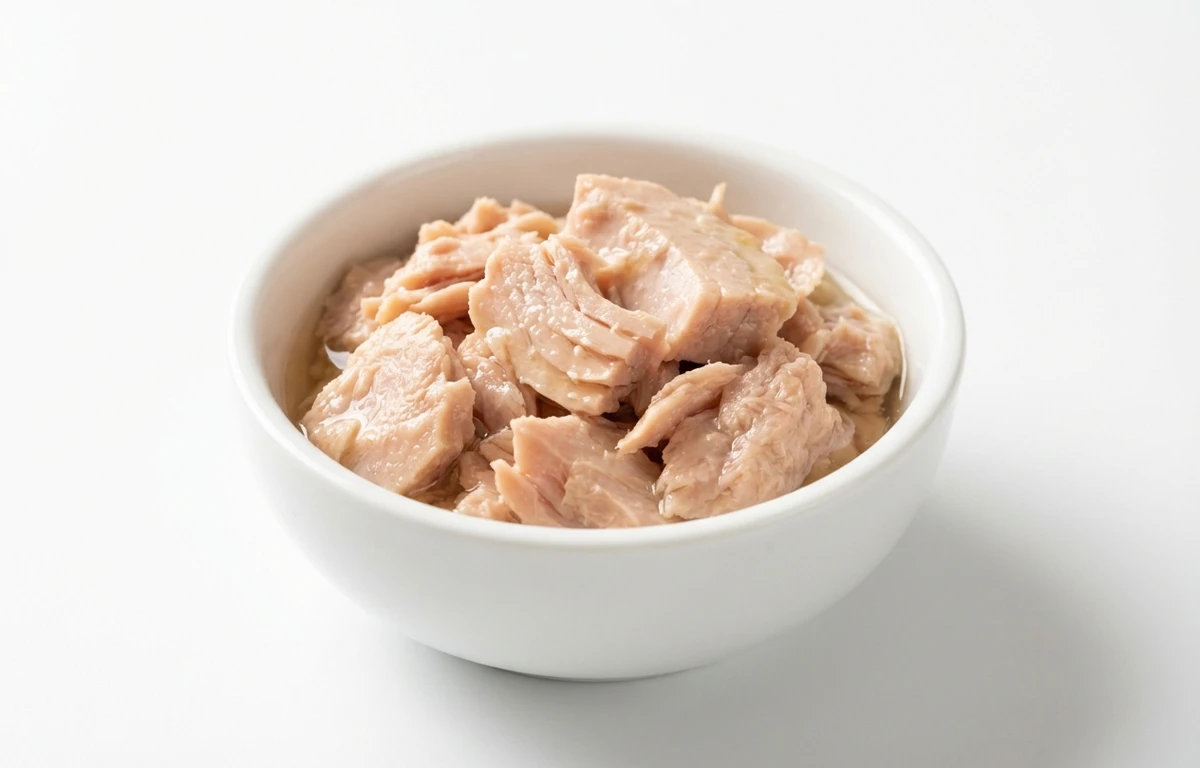
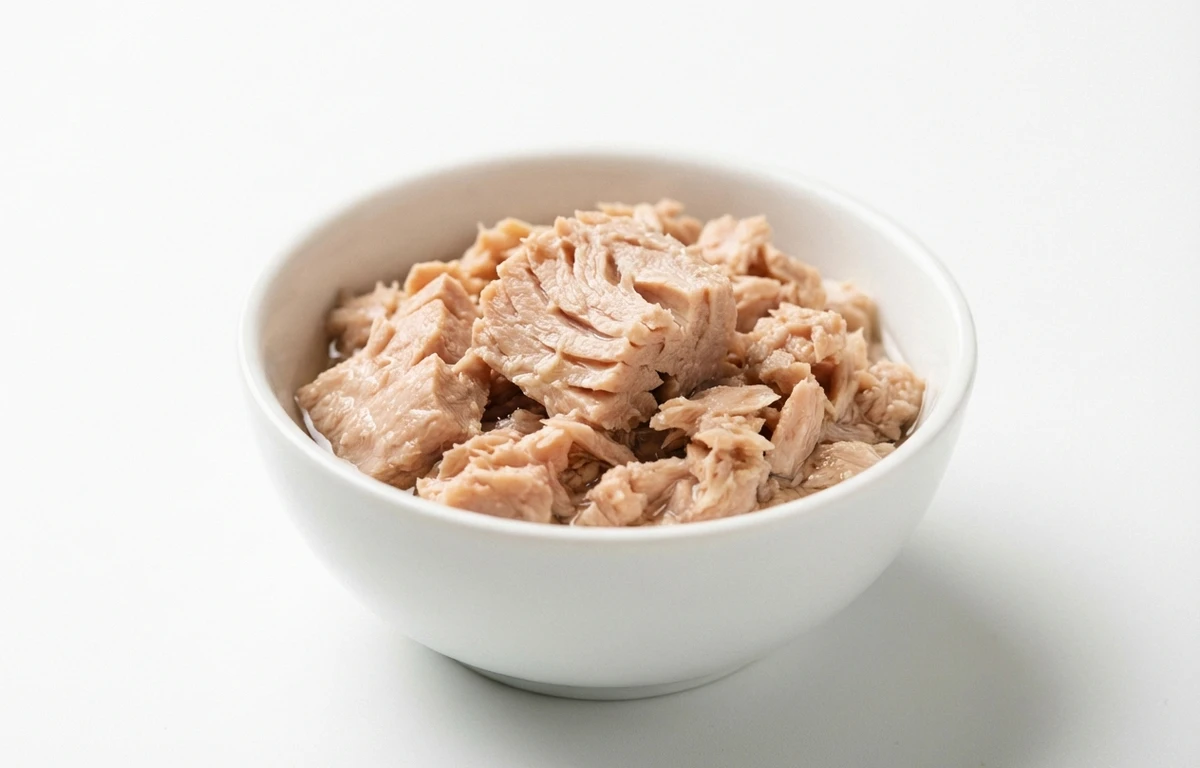
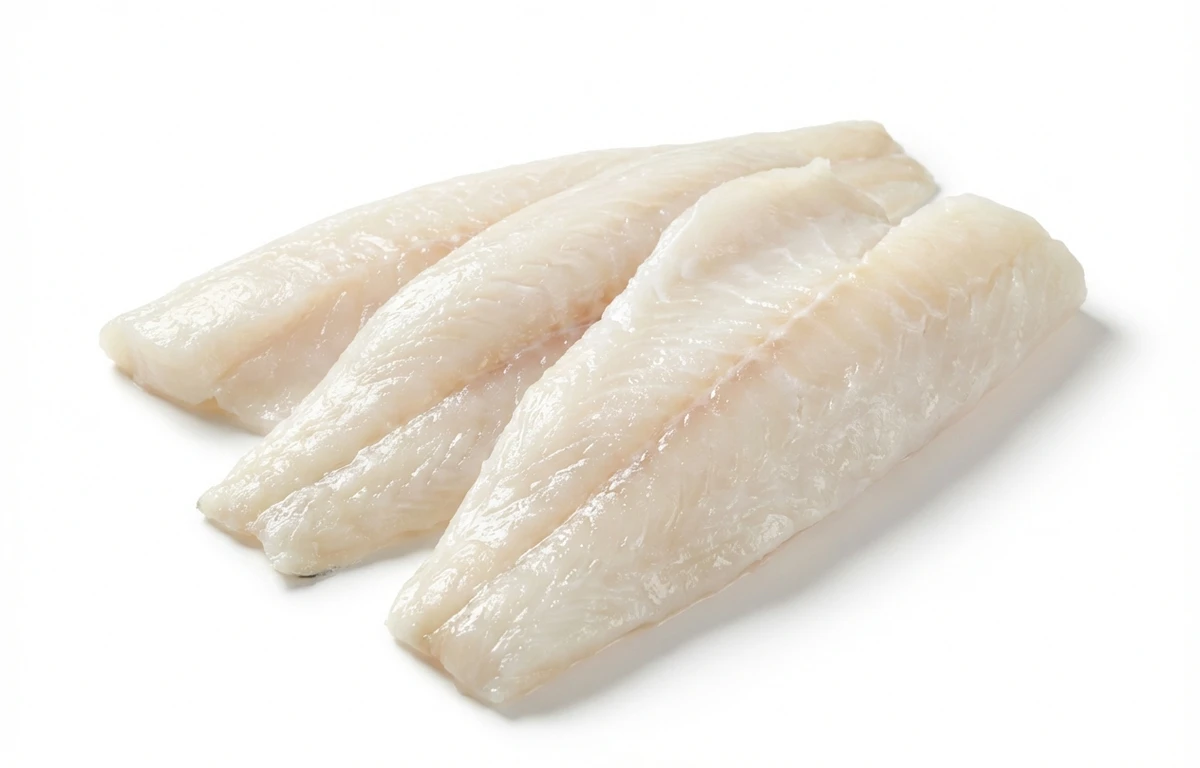
Boneless White Fish Fillets.
VegetarianVeganGluten-freeDairy-freeNut-freePeanut-freeSoy-freeEgg-freeShellfish-freeHoney-freeAlcohol-free
SERVING
CALORIES
82
PROTEIN
17.8g
CARBS
0g
FAT
0.60g
FIBER
0g
This ingredient is flagged as naturally gluten-free. Per 100 g, it provides 0.10 µg of vitamin K.
NUTRITION PROFILE · per 100 g
Everything in this ingredient.
MACRONUTRIENTS
Calories82kcal—
Protein17.8g36%
Carbohydrates0g0%
Fiber0g0%
Sugar0g0%
Total fat0.60g1%
Saturated fat0.10g1%
Trans fat0g—
Cholesterol43mg14%
Water80.8g—
MINERALS
Sodium54mg2%
Potassium326mg7%
Calcium16mg1%
Iron0.30mg2%
Magnesium22mg5%
Phosphorus203mg16%
Zinc0.40mg4%
Copper0.02mg2%
Manganese0.01mg0%
Selenium36.5µg66%
VITAMINS
Vitamin A13µg1%
Vitamin C0mg0%
Vitamin D1.1µg6%
Vitamin E0.20mg1%
Vitamin K0.10µg0%
Thiamin (B1)0.08mg7%
Riboflavin (B2)0.07mg5%
Niacin (B3)2.1mg13%
Pantothenic acid (B5)0.25mg5%
Vitamin B60.18mg11%
Folate (B9)7.0µg2%
Vitamin B121.2µg50%
%DV based on a 2,000 cal diet. Source: USDA FoodData Central. A dash in the %DV column means there’s no established Daily Value for that nutrient.
MEASUREMENT CONVERSIONS
How much is what.
1 oz28.4g
1 lb453.6g
1 piece120g
HEALTH BENEFITS
Why eat it.
- ✓Excellent source of lean protein for muscle repair and growth.
- ✓Rich in B vitamins (especially B12 and Niacin) for energy metabolism.
COOKING TIPS
In the kitchen.
- 1Avoid overcooking to prevent dry, rubbery texture; cook until opaque and flakes easily.
- 2Season simply with salt, pepper, lemon, and herbs to highlight its delicate flavor.
- 3Suitable for baking, grilling, pan-frying, steaming, or poaching.
STORAGE
Keep it fresh.
- Store fresh fillets in the coldest part of the refrigerator for 1-2 days.
- For longer storage, freeze fillets in airtight packaging for up to 6 months.
- Thaw frozen fish slowly in the refrigerator overnight before cooking.
FAQ
Frequently asked questions.
How many calories and how much protein are in white fish?
A 100g serving of boneless white fish contains approximately 82 calories and 17.8g of protein. With 0g of carbohydrates and only 0.6g of fat, it is one of the leanest protein sources available for muscle repair and growth.
Is white fish keto-friendly?
Yes, white fish is highly keto-friendly as it contains zero carbohydrates. However, since it is very low in fat, those on a ketogenic diet often prepare it with healthy fats like butter, olive oil, or avocado to meet their daily fat macros.
Is white fish gluten-free?
Plain, unprocessed white fish fillets are naturally gluten-free. However, you should be cautious with pre-packaged fillets that are breaded or battered, as those coatings typically contain wheat flour and gluten.
How do you cook boneless white fish fillets?
White fish is versatile and can be baked, pan-seared, poached, or grilled. Because it is lean, it cooks quickly—usually in 3-5 minutes per side. It is done when the flesh is opaque and flakes easily with a fork.
What does white fish taste like?
Most white fish, such as cod, tilapia, or haddock, has a mild, delicate flavor that is not overly 'fishy.' This makes it an excellent canvas for various seasonings, citrus, and herbs.
Can I cook white fish fillets from frozen?
Yes, you can bake or poach white fish directly from frozen, though it will take about 50% longer to cook. For the best texture and even cooking, it is generally recommended to thaw the fillets in the refrigerator overnight first.
How long does fresh white fish last in the fridge?
Fresh white fish should be stored in the coldest part of the refrigerator and used within 1 to 2 days of purchase. For longer storage, wrap the fillets tightly and freeze them for up to 6 months.
How can you tell if white fish has gone bad?
Fresh white fish should have a mild, neutral scent; a strong, sour, or ammonia-like odor is a sign of spoilage. Additionally, the flesh should be firm and moist; if it feels slimy or looks dull and yellowish, it should be discarded.