seafood4 recipes
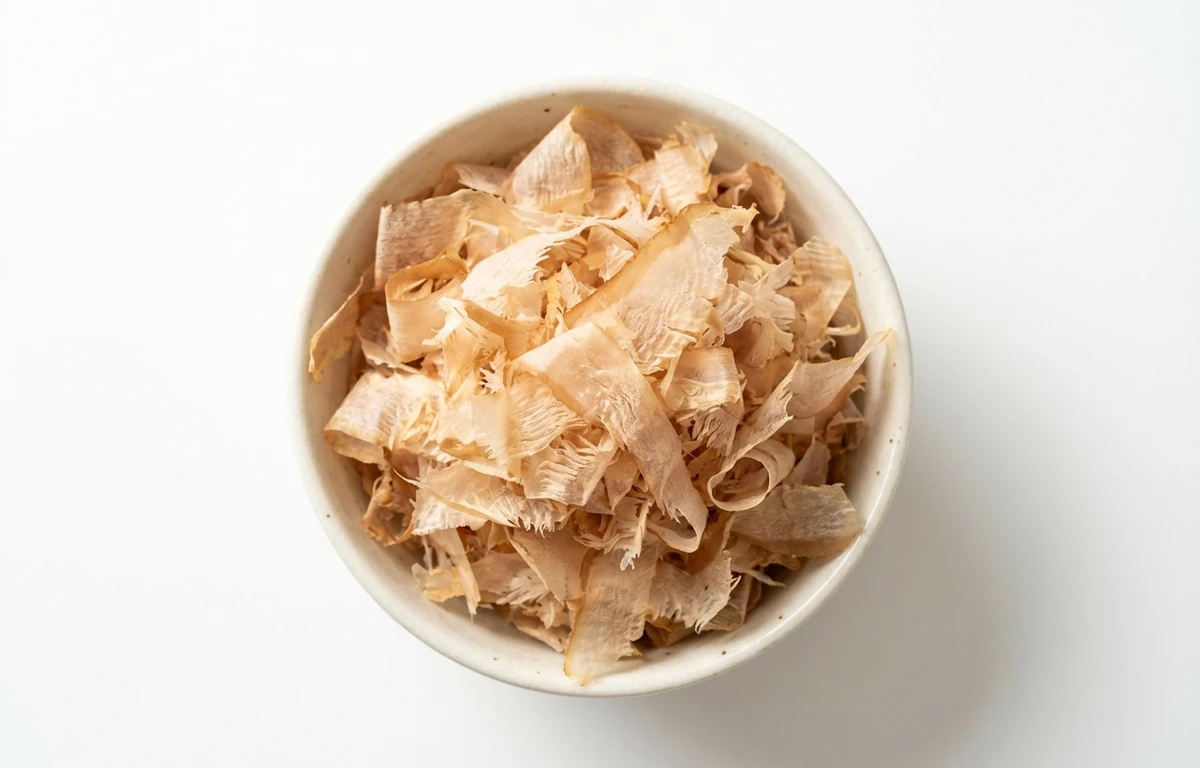
bonito flakes.
VegetarianVeganGluten-freeDairy-freeNut-freePeanut-freeSoy-freeEgg-freeShellfish-freeHoney-freeAlcohol-freeFermented
SERVING
CALORIES
369
PROTEIN
80.6g
CARBS
0.10g
FAT
5.2g
FIBER
0g
This ingredient is flagged as naturally gluten-free. Per 100 g, it provides 0 µg of vitamin K.
NUTRITION PROFILE · per 100 g
Everything in this ingredient.
MACRONUTRIENTS
Calories369kcal—
Protein80.6g161%
Carbohydrates0.10g0%
Fiber0g0%
Sugar0g0%
Total fat5.2g7%
Saturated fat1.7g9%
Trans fat0g—
Cholesterol150mg50%
Water10g—
MINERALS
Sodium350mg15%
Potassium950mg20%
Calcium25mg2%
Iron1.5mg8%
Magnesium70mg17%
Phosphorus750mg60%
Zinc1.2mg11%
Copper0.10mg11%
Manganese0.05mg2%
Selenium150µg273%
VITAMINS
Vitamin A15µg2%
Vitamin C0mg0%
Vitamin D5.0µg25%
Vitamin E0.50mg3%
Vitamin K0µg0%
Thiamin (B1)0.10mg8%
Riboflavin (B2)0.40mg31%
Niacin (B3)45mg281%
Pantothenic acid (B5)0.80mg16%
Vitamin B60.90mg53%
Folate (B9)15µg4%
Vitamin B1212µg500%
%DV based on a 2,000 cal diet. Source: USDA FoodData Central. A dash in the %DV column means there’s no established Daily Value for that nutrient.
MEASUREMENT CONVERSIONS
How much is what.
1 cup15g
1 tablespoon1g
1 teaspoon0.3g
HEALTH BENEFITS
Why eat it.
- ✓Extremely high in protein
- ✓Rich in Vitamin B12
- ✓Source of essential minerals like Selenium
COOKING TIPS
In the kitchen.
- 1Sprinkle over hot dishes like Okonomiyaki for a 'dancing' effect
- 2Steep briefly in hot water for dashi to avoid fishy overtones
STORAGE
Keep it fresh.
- Store in a cool, dry place
- Keep sealed tightly to maintain crispness
FAQ
Frequently asked questions.
Are bonito flakes healthy?
Yes, bonito flakes are highly nutritious, offering an exceptional amount of protein and essential minerals like selenium and potassium. They are also a great source of Vitamin B12, which supports nerve function and energy levels, while remaining very low in calories per serving.
How much protein is in bonito flakes?
Bonito flakes are incredibly protein-dense, containing approximately 80.6 grams of protein per 100 grams. Because the flakes are very light, even a small handful used as a garnish provides a concentrated protein boost with almost no carbohydrates.
Are bonito flakes vegan or vegetarian?
No, bonito flakes are not vegan or vegetarian. They are made from skipjack tuna (bonito) that has been simmered, smoked, and fermented before being shaved into thin flakes, making them a seafood product.
Are bonito flakes keto-friendly?
Yes, bonito flakes are excellent for a keto or low-carb diet. They contain virtually zero carbohydrates (0.1g per 100g) and are very high in protein, making them a perfect savory seasoning for keto-compliant dishes.
What do bonito flakes taste like?
They have a complex, savory 'umami' flavor profile that is simultaneously smoky, salty, and slightly fishy. Their intense savory quality makes them a natural flavor enhancer for soups, broths, and rice dishes.
How do you use bonito flakes in cooking?
They are most commonly used to make dashi (Japanese soup stock) by steeping them in hot water. They are also frequently used as a flavorful topping for dishes like okonomiyaki, takoyaki, and chilled tofu.
Why do bonito flakes 'dance' when placed on hot food?
The 'dancing' effect is caused by the thin, lightweight flakes reacting to the steam rising from hot food. The heat and moisture cause the flakes to curl and move rapidly, which is a signature aesthetic of many Japanese dishes.
Are bonito flakes gluten-free?
Pure bonito flakes are naturally gluten-free as they consist only of dried fish. However, you should always check the packaging for potential cross-contamination or added seasonings if you have a severe gluten allergy.
Are bonito flakes high in sodium?
While they have a salty flavor, the sodium content is moderate compared to other dried seafood. Because they are so light and flavorful, you typically only need a small amount to season a dish, which helps keep overall sodium intake low.
RECIPES
Cook with bonito flakes.
4 recipes · sorted by what’s quick