
Oil
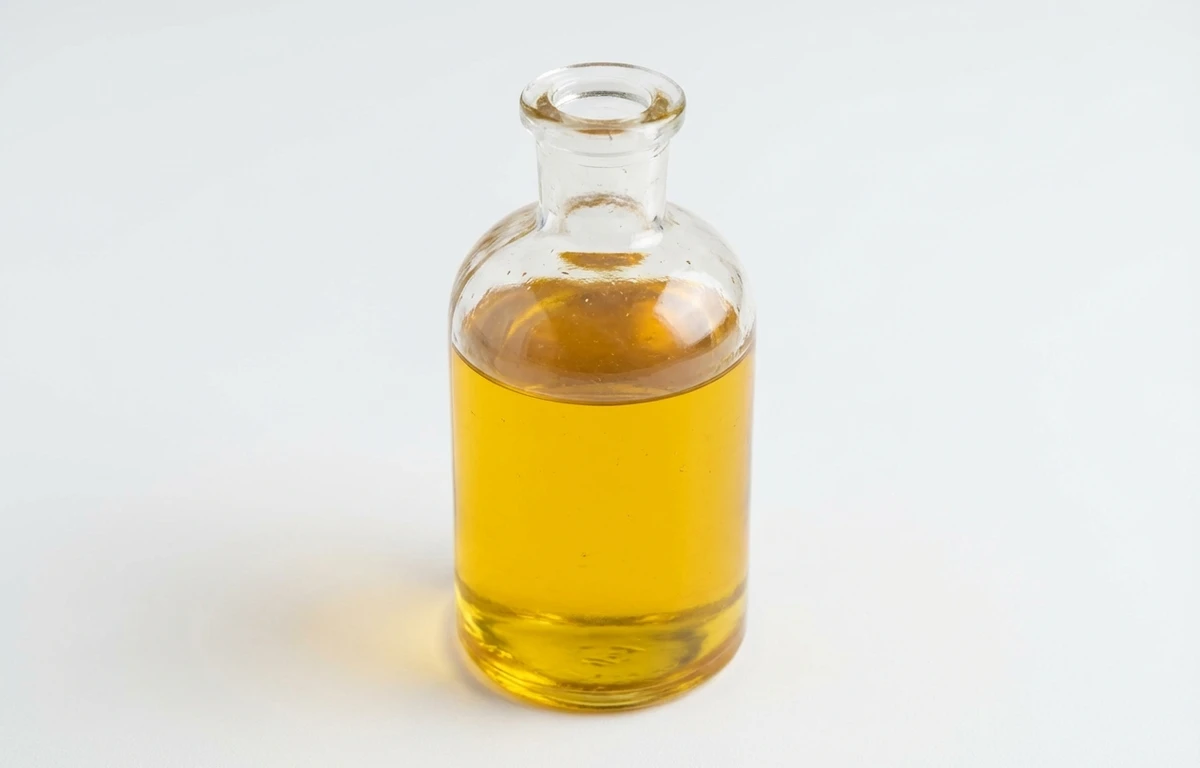
bowhead whale oil.
VegetarianVeganGluten-freeDairy-freeNut-freePeanut-freeSoy-freeEgg-freeShellfish-freeHoney-freeAlcohol-freeHalalKosher
ALSO KNOWN AS
whale oil
SERVING
CALORIES
900
PROTEIN
0g
CARBS
0g
FAT
100g
FIBER
0g
This ingredient is flagged as naturally gluten-free. Per 100 g, it provides 0 µg of vitamin K.
NUTRITION PROFILE · per 100 g
Everything in this ingredient.
MACRONUTRIENTS
Calories900kcal—
Protein0g0%
Carbohydrates0g0%
Fiber0g0%
Sugar0g0%
Total fat100g128%
Saturated fat21.5g108%
Trans fat0g—
Cholesterol120mg40%
Water0g—
MINERALS
Sodium0mg0%
Potassium0mg0%
Calcium0mg0%
Iron0mg0%
Magnesium0mg0%
Phosphorus0mg0%
Zinc0mg0%
Copper0mg0%
Manganese0mg0%
Selenium15µg27%
VITAMINS
Vitamin A150µg17%
Vitamin C0mg0%
Vitamin D25µg125%
Vitamin E12mg80%
Vitamin K0µg0%
Thiamin (B1)0mg0%
Riboflavin (B2)0mg0%
Niacin (B3)0mg0%
Pantothenic acid (B5)0mg0%
Vitamin B60mg0%
Folate (B9)0µg0%
Vitamin B120µg0%
%DV based on a 2,000 cal diet. Source: USDA FoodData Central. A dash in the %DV column means there’s no established Daily Value for that nutrient.
MEASUREMENT CONVERSIONS
How much is what.
1 cup220.8g
1 tablespoon13.8g
1 teaspoon4.6g
1 ml0.9g
1 liter920g
HEALTH BENEFITS
Why eat it.
- ✓Extremely rich in omega-3 fatty acids (EPA and DHA), which support cardiovascular and brain health.
- ✓Provides a highly concentrated source of calories and energy, essential for survival in cold climates.
COOKING TIPS
In the kitchen.
- 1Traditionally used by Indigenous Arctic peoples as a dipping sauce for dried or frozen meat and fish.
- 2Can be used as a cooking fat, but has a very strong, fishy flavor that will dominate the dish.
- 3Can be whipped with berries and other ingredients to create traditional dishes like 'akutaq' (Eskimo ice cream).
- 4Best used in applications where its potent marine flavor is desired and complementary.
STORAGE
Keep it fresh.
- Store in an airtight container in a cool, dark place to prevent oxidation and rancidity.
- For long-term storage, refrigeration or freezing is recommended. The oil will solidify at cold temperatures.
FAQ
Frequently asked questions.
How many calories and fat are in bowhead whale oil?
Bowhead whale oil is 100% fat, providing approximately 900 calories per 100 grams. It contains zero carbohydrates and zero protein, making it one of the most energy-dense food sources available.
Is bowhead whale oil keto-friendly?
Yes, bowhead whale oil is very keto-friendly as it contains no carbohydrates and is composed entirely of fats. It is an excellent source of healthy marine fats for those following a ketogenic or carnivore diet.
Is bowhead whale oil vegan or vegetarian?
No, bowhead whale oil is neither vegan nor vegetarian. It is an animal-derived product obtained from the blubber of the bowhead whale, traditionally harvested by Indigenous Arctic communities.
How is bowhead whale oil typically used in cooking?
Traditionally, it is used as a dipping sauce for dried meats and fish or as a preservative for berries and wild greens. It is rarely used for high-heat frying and is instead consumed raw or added to dishes at the end of preparation to preserve its nutrients.
What does bowhead whale oil taste like?
It has a very rich, heavy, and distinctively 'oceanic' or fishy flavor. The taste is intense and savory, reflecting its high concentration of marine oils and fat-soluble vitamins.
Can you use bowhead whale oil for high-heat cooking?
It is not recommended for high-heat cooking because its polyunsaturated fats are sensitive to heat and can oxidize quickly. Using it at high temperatures can destroy its nutritional benefits and produce an unpleasant flavor.
How do you know if bowhead whale oil has gone bad?
You can tell it has spoiled if it develops a harsh, unpleasantly sour, or overly pungent 'off' smell. If the oil becomes excessively cloudy or develops a bitter taste, it has likely oxidized and should no longer be consumed.



















