
Beverage
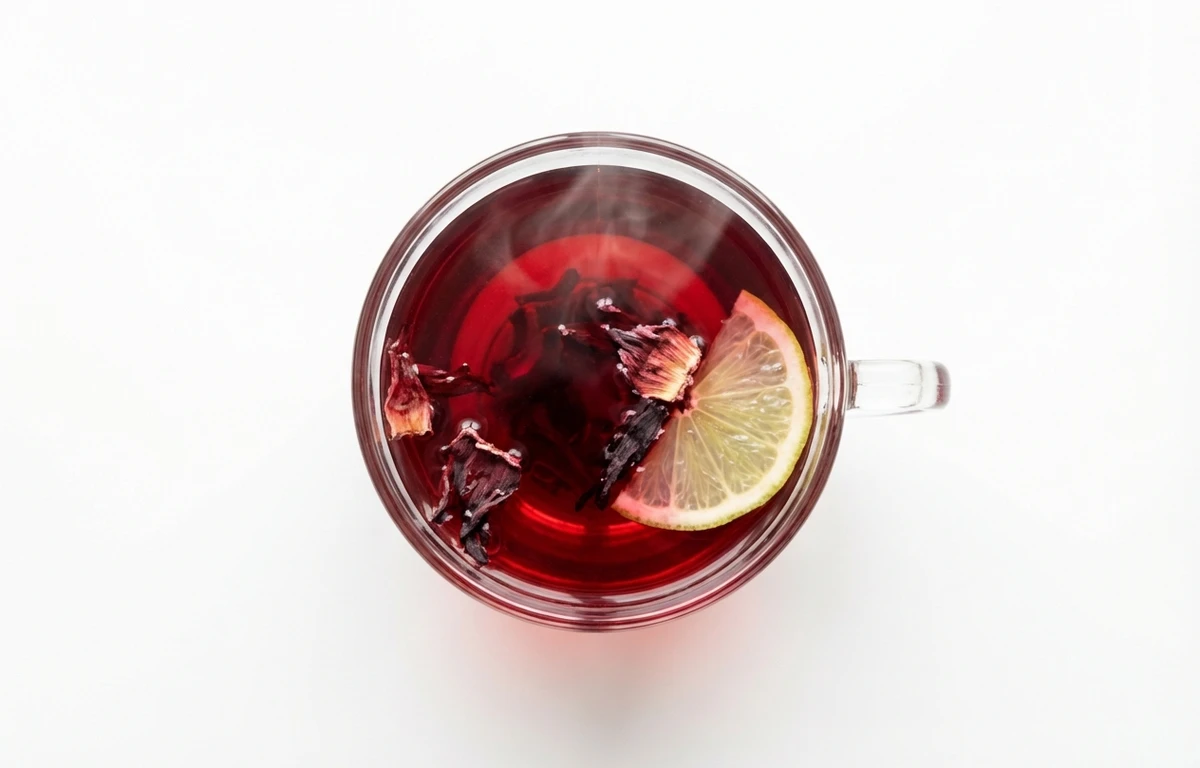
brewed hibiscus tea.
VegetarianVeganGluten-freeDairy-freeNut-freePeanut-freeSoy-freeEgg-freeShellfish-freeHoney-freeAlcohol-free
ALSO KNOWN AS
hibiscus tea
SERVING
CALORIES
0
PROTEIN
0g
CARBS
0g
FAT
0g
FIBER
0g
NUTRITION PROFILE · per 100 g
Everything in this ingredient.
MACRONUTRIENTS
Calories0kcal—
Protein0g0%
Carbohydrates0g0%
Fiber0g0%
Sugar0g0%
Total fat0g0%
Saturated fat0g0%
Trans fat0g—
Cholesterol0mg0%
Water99.6g—
MINERALS
Sodium4.0mg0%
Potassium20mg0%
Calcium8.0mg1%
Iron0.08mg0%
Magnesium3.0mg1%
Phosphorus1.0mg0%
Zinc0.04mg0%
Copper0mg0%
Manganese0.48mg21%
Selenium0µg0%
VITAMINS
Vitamin A0µg0%
Vitamin C0mg0%
Vitamin D0µg0%
Vitamin E0mg0%
Vitamin K0µg0%
Thiamin (B1)0mg0%
Riboflavin (B2)0mg0%
Niacin (B3)0.04mg0%
Pantothenic acid (B5)0mg0%
Vitamin B60mg0%
Folate (B9)1.0µg0%
Vitamin B120µg0%
%DV based on a 2,000 cal diet. Source: USDA FoodData Central. A dash in the %DV column means there’s no established Daily Value for that nutrient.
MEASUREMENT CONVERSIONS
How much is what.
1 cup240g
1 tablespoon15g
1 teaspoon5g
1 ml1g
1 liter1000g
HEALTH BENEFITS
Why eat it.
- ✓Rich in antioxidants like anthocyanins, which help combat oxidative stress.
- ✓May help lower blood pressure in individuals with pre-hypertension and mild hypertension.
- ✓Supports liver health by protecting against damage and improving steatosis.
- ✓Contains compounds that may promote weight loss and prevent obesity.
COOKING TIPS
In the kitchen.
- 1For optimal flavor, steep dried hibiscus calyces in hot (not boiling) water for 5-10 minutes; over-steeping can result in excessive tartness.
- 2Balance its natural tartness with sweeteners like agave, honey, or simple syrup, or by blending with sweeter fruit juices like pineapple or orange.
- 3Use as a vibrant, flavorful base for cocktails, mocktails, syrups, and sorbets.
- 4Infuse with other spices like cinnamon sticks, cloves, or fresh ginger during brewing to add warmth and complexity.
STORAGE
Keep it fresh.
- Refrigerate freshly brewed hibiscus tea in a sealed, airtight container for up to 4 days.
- For longer storage, freeze the tea in ice cube trays and transfer the cubes to a freezer-safe bag for up to 6 months.
FAQ
Frequently asked questions.
Is hibiscus tea healthy?
Yes, brewed hibiscus tea is highly nutritious and calorie-free. It is rich in antioxidants like anthocyanins, which help combat oxidative stress and support heart and liver health.
Does hibiscus tea contain caffeine?
No, hibiscus tea is naturally caffeine-free because it is an herbal infusion made from the dried calyces of the hibiscus flower. This makes it a suitable beverage for any time of day, including the evening.
Can hibiscus tea help with weight loss?
Hibiscus tea may support weight loss as it contains compounds that can help prevent obesity and reduce body fat. Additionally, it is a zero-calorie beverage that serves as a healthy alternative to sugary sodas or juices.
Does hibiscus tea lower blood pressure?
Studies suggest that regularly drinking hibiscus tea may help lower blood pressure in individuals with pre-hypertension or mild hypertension. However, it should not replace medical treatment, and those on blood pressure medication should consult a doctor first.
Is hibiscus tea keto-friendly?
Yes, brewed hibiscus tea is keto-friendly as it contains zero carbohydrates and zero calories. To maintain its keto status, avoid adding sugar or honey, opting instead for keto-approved sweeteners like stevia if desired.
What does hibiscus tea taste like?
Hibiscus tea has a distinctively tart, tangy flavor profile similar to cranberries. It is often enjoyed for its refreshing acidity and deep floral notes, which can be balanced with sweeteners or citrus.
How do you brew hibiscus tea?
To brew, steep 1-2 teaspoons of dried hibiscus flowers in 8 ounces of boiling water for 5 to 10 minutes. The tea will turn a deep, vibrant red; you can strain the flowers and serve it hot or chilled over ice.
How long does brewed hibiscus tea last in the fridge?
Once brewed and cooled, hibiscus tea can be stored in a sealed glass jar or pitcher in the refrigerator for 3 to 5 days. It is best to keep it covered to maintain its fresh, tart flavor.
Is it safe to drink hibiscus tea during pregnancy?
Pregnant women are generally advised to avoid hibiscus tea as it may have emmenagogue effects, which could potentially stimulate menstruation. Always consult with a healthcare provider before consuming herbal teas during pregnancy.
Can I drink hibiscus tea every day?
For most healthy adults, drinking 1-2 cups of hibiscus tea daily is safe and beneficial. However, due to its effect on blood pressure and potential acidity, it is best consumed in moderation as part of a balanced diet.



















