
Dairy4 recipes
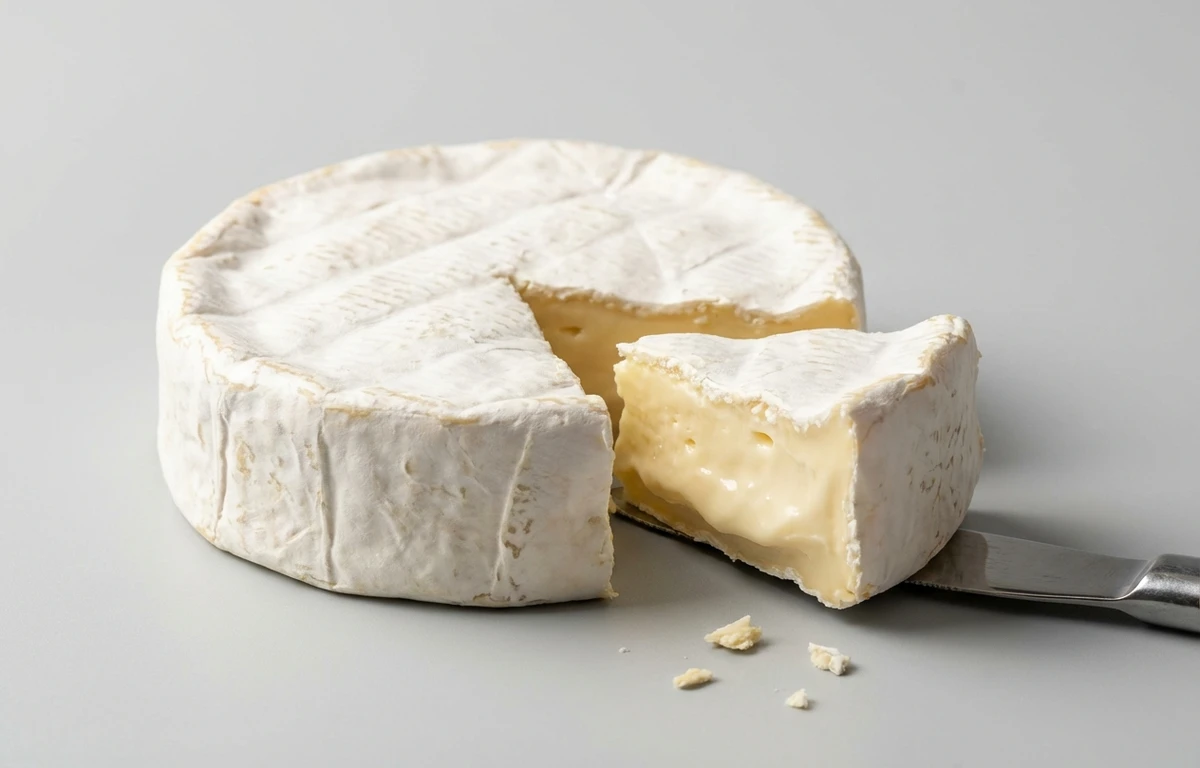
brie cheese.
VegetarianVeganGluten-freeDairy-freeNut-freePeanut-freeSoy-freeEgg-freeShellfish-freeHoney-freeAlcohol-freeFermented
SERVING
CALORIES
334
PROTEIN
20.8g
CARBS
0.50g
FAT
27.7g
FIBER
0g
NUTRITION PROFILE · per 100 g
Everything in this ingredient.
MACRONUTRIENTS
Calories334kcal—
Protein20.8g42%
Carbohydrates0.50g0%
Fiber0g0%
Sugar0.50g1%
Total fat27.7g36%
Saturated fat17.4g87%
Trans fat0g—
Cholesterol100mg33%
Water48.4g—
MINERALS
Sodium629mg27%
Potassium152mg3%
Calcium184mg14%
Iron0.50mg3%
Magnesium20mg5%
Phosphorus188mg15%
Zinc2.4mg22%
Copper0.02mg2%
Manganese0.03mg1%
Selenium14.5µg26%
VITAMINS
Vitamin A174µg19%
Vitamin C0mg0%
Vitamin D0.50µg3%
Vitamin E0.24mg2%
Vitamin K2.3µg2%
Thiamin (B1)0.07mg6%
Riboflavin (B2)0.52mg40%
Niacin (B3)0.38mg2%
Pantothenic acid (B5)0.69mg14%
Vitamin B60.24mg14%
Folate (B9)65µg16%
Vitamin B121.6µg69%
%DV based on a 2,000 cal diet. Source: USDA FoodData Central. A dash in the %DV column means there’s no established Daily Value for that nutrient.
MEASUREMENT CONVERSIONS
How much is what.
1 cup135g
1 tablespoon15g
1 teaspoon5g
1 oz28.4g
1 lb453.6g
1 ml1g
1 liter1020g
1 piece200g
HEALTH BENEFITS
Why eat it.
- ✓High in calcium for bone health
- ✓Excellent source of high-quality protein
- ✓Contains Vitamin B12 for nerve function
- ✓Provides essential minerals like selenium and zinc
- ✓Contains beneficial bacteria from the fermentation process
COOKING TIPS
In the kitchen.
- 1Take out of the fridge 30-60 minutes before serving to reach room temperature
- 2The white rind is completely edible and provides texture and flavor
- 3Bake in a pastry crust or with honey and nuts for a popular appetizer
STORAGE
Keep it fresh.
- Wrap in wax or parchment paper to allow the cheese to breathe
- Store in the refrigerator's vegetable crisper drawer for consistent humidity
- Keep away from strong-smelling foods as cheese absorbs odors easily
FAQ
Frequently asked questions.
Is the white rind on Brie cheese edible?
Yes, the white rind is a form of Penicillium candidum mold that is safe and intended to be eaten; it provides a distinct earthy flavor.
How long does Brie cheese last once opened?
Once opened, Brie typically lasts for 1 to 2 weeks in the refrigerator if properly wrapped.
Can you freeze Brie cheese?
Freezing is not recommended as it significantly alters the creamy texture, making it crumbly and less flavorful.
How can I tell if Brie has gone bad?
Look for dark spots, slimy texture, or a strong ammonia-like smell. While a slight ammonia scent is normal for ripe Brie, a pungent smell indicates it is past its prime.
What is a good substitute for Brie?
Camembert is the closest substitute. Other options include Coulommiers or a mild Reblochon.
Why should Brie be served at room temperature?
Serving at room temperature allows the fats to soften, creating the signature creamy texture and full flavor profile.
Is Brie cheese vegetarian?
Most modern Brie uses microbial rennet and is vegetarian, but traditional French Brie may use animal-derived rennet. Check the label to be sure.
What food pairings go best with Brie?
Brie pairs excellently with crusty bread, crackers, grapes, apples, pears, walnuts, and honey.
How do I choose a good Brie at the store?
Look for a wheel that feels plump and slightly soft to the touch. Avoid those with cracked rinds or sunken centers.
RECIPES
Cook with brie cheese.
4 recipes · sorted by what’s quick



















