
Vegetable
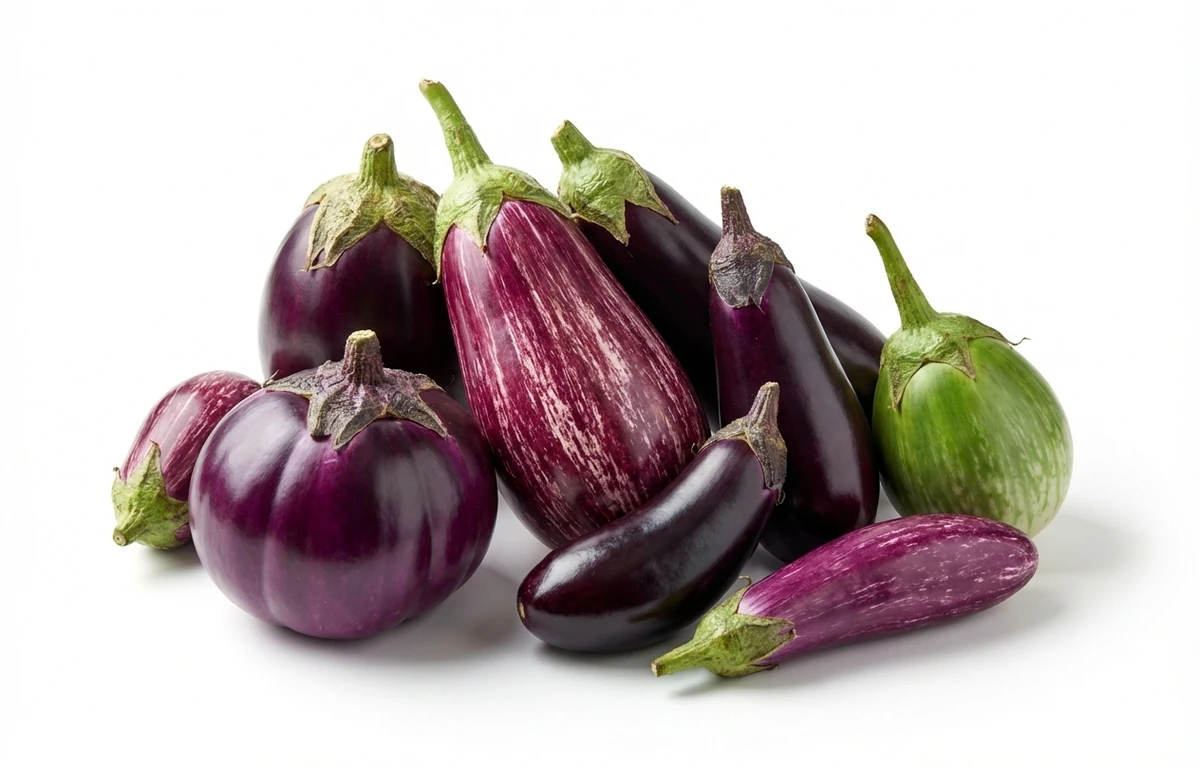
brinjal - all varieties.
VegetarianVeganGluten-freeDairy-freeNut-freePeanut-freeSoy-freeEgg-freeShellfish-freeHoney-freeAlcohol-freeHalalKosher
SERVING
CALORIES
25
PROTEIN
1.5g
CARBS
3.5g
FAT
0.32g
FIBER
4.0g
NUTRITION PROFILE · per 100 g
Everything in this ingredient.
MACRONUTRIENTS
Calories25.3kcal—
Protein1.5g3%
Carbohydrates3.5g1%
Fiber4.0g14%
Sugar0.97g2%
Total fat0.32g0%
Saturated fat0.07g0%
Trans fat0g—
Cholesterol0mg0%
Water90g—
MINERALS
Sodium3.5mg0%
Potassium247mg5%
Calcium16.6mg1%
Iron0.37mg2%
Magnesium21mg5%
Phosphorus32.6mg3%
Zinc0.21mg2%
Copper0.11mg12%
Manganese0.17mg7%
Selenium0µg0%
VITAMINS
Vitamin A146µg16%
Vitamin C2.1mg2%
Vitamin D1.0µg5%
Vitamin E0.07mg0%
Vitamin K13.5µg11%
Thiamin (B1)0.06mg5%
Riboflavin (B2)0.11mg8%
Niacin (B3)0.53mg3%
Pantothenic acid (B5)0.31mg6%
Vitamin B60.07mg4%
Biotin (B7)1.8µg6%
Folate (B9)33.9µg8%
%DV based on a 2,000 cal diet. Source: USDA FoodData Central. A dash in the %DV column means there’s no established Daily Value for that nutrient.
MEASUREMENT CONVERSIONS
How much is what.
1 cup85g
1 tablespoon5.3g
1 teaspoon1.8g
1 oz28.4g
1 lb453.6g
1 ml0.4g
1 liter359.3g
1 piece325g
HEALTH BENEFITS
Why eat it.
- ✓Rich in antioxidants, particularly nasunin found in the purple skin, which helps protect cells from damage.
- ✓High in fiber and low in calories, promoting digestive health and aiding in weight management.
- ✓Contains polyphenols that may help reduce blood sugar absorption, benefiting blood sugar control.
- ✓Good source of manganese, a mineral essential for bone health and metabolism.
COOKING TIPS
In the kitchen.
- 1Salt sliced brinjal and let it rest for 30 minutes to draw out moisture and bitterness, then rinse and pat dry before cooking.
- 2To reduce oil absorption during frying, you can microwave slices for a few minutes, steam them briefly, or roast them.
- 3Brinjal is very versatile and can be grilled, roasted, baked, stewed, or stir-fried. It develops a creamy, rich texture when cooked thoroughly.
- 4The skin is edible and nutritious; it's generally best to leave it on, especially for smaller varieties.
STORAGE
Keep it fresh.
- Store whole, unwashed brinjals in the crisper drawer of the refrigerator for 5 to 7 days.
- Do not store near ethylene-producing fruits like apples or bananas, as this can hasten spoilage.
- Once cut, the flesh oxidizes quickly; brush with lemon juice or vinegar to prevent browning if not cooking immediately.
FAQ
Frequently asked questions.
Is brinjal healthy?
Yes, brinjal is highly nutritious as it is low in calories and rich in fiber. It contains essential minerals like manganese for bone health and potent antioxidants like nasunin, which helps protect cells from oxidative stress.
Is brinjal good for weight loss?
Brinjal is excellent for weight loss because it contains only about 25 calories per 100g. Its high fiber content promotes satiety, helping you feel full for longer periods while maintaining a low-calorie intake.
Is brinjal keto-friendly?
Yes, brinjal is keto-friendly. With only 3.52g of carbohydrates per 100g, it is a low-carb vegetable that can easily fit into a ketogenic or low-carbohydrate diet.
Can diabetics eat brinjal?
Brinjal is beneficial for diabetics because it is high in fiber and low in soluble carbohydrates. It also contains polyphenols that may help reduce blood sugar absorption and support better glucose control.
How do you remove the bitterness from brinjal?
To reduce bitterness, slice the brinjal and sprinkle the pieces with salt. Let them sit for 20 to 30 minutes to draw out the bitter juices, then rinse the slices thoroughly and pat them dry before cooking.
Can I eat brinjal raw?
While not toxic, brinjal is rarely eaten raw due to its bitter taste and spongy, unappealing texture. Cooking transforms the flesh into a creamy, tender consistency and significantly improves the flavor profile.
Should I peel brinjal before cooking?
It is generally better to leave the skin on, especially in purple varieties, as it contains the antioxidant nasunin. However, if the brinjal is very large or old, the skin may become tough and bitter, in which case peeling is optional.
How do you store brinjal to keep it fresh?
Store brinjal in the vegetable crisper drawer of your refrigerator in a breathable bag. It is sensitive to cold and ethylene gas, so try to use it within 5 to 7 days for the best quality.
How can you tell if a brinjal is spoiled?
A fresh brinjal should have shiny, smooth skin and a firm feel. If the skin is wrinkled, the stem is turning brown or mushy, or if there are soft, dark spots on the flesh, the vegetable is likely spoiled.
Is brinjal vegan and gluten-free?
Yes, brinjal is a natural plant-based vegetable that is both 100% vegan and gluten-free. It is often used as a hearty meat substitute in vegan recipes like eggplant parmesan or grilled steaks.



















