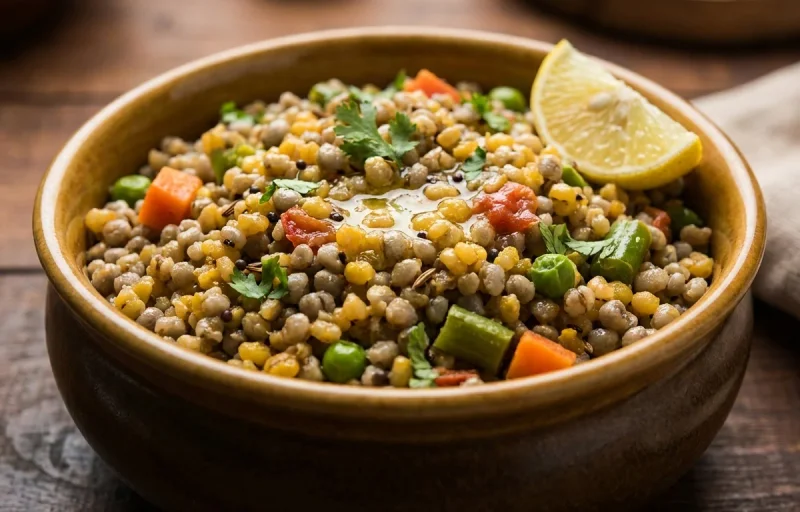
Grain2 recipes
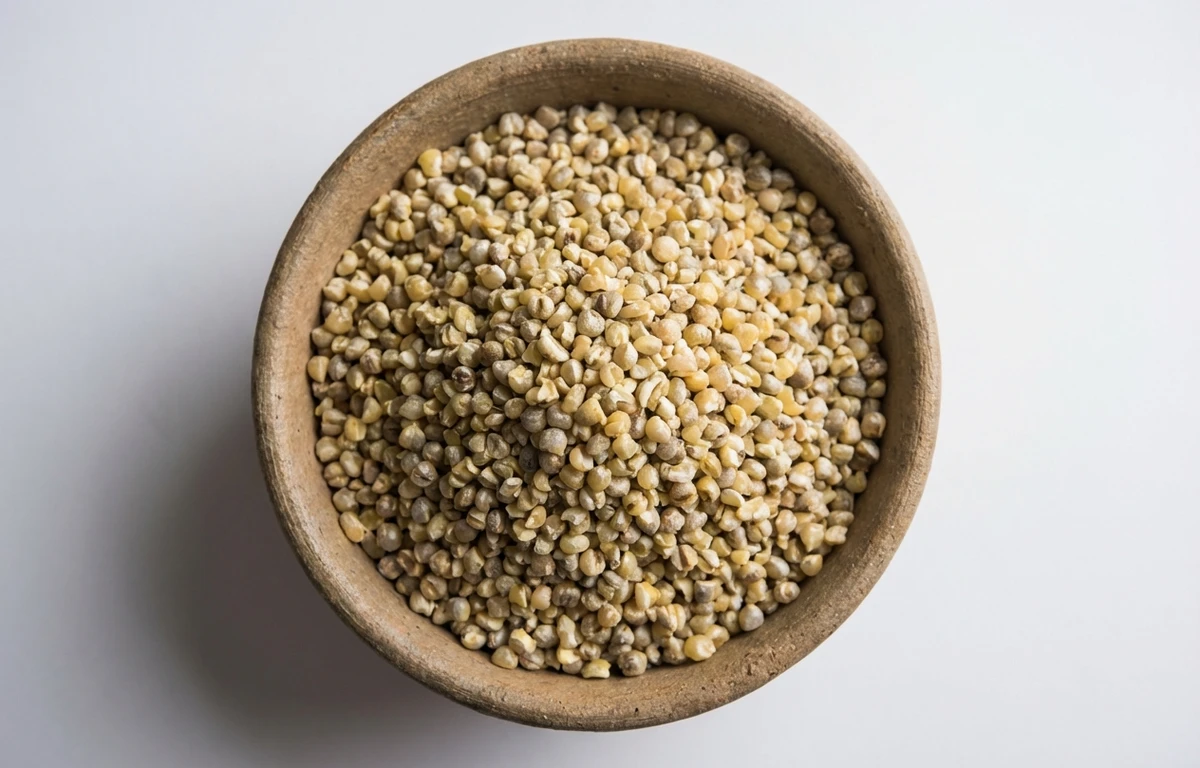
broken pearl millet.
VegetarianVeganGluten-freeDairy-freeNut-freePeanut-freeSoy-freeEgg-freeShellfish-freeHoney-freeAlcohol-freeWhole grain
ALSO KNOWN AS
bajra daliabajra daliyapearl millet gritsbroken pearl milletcracked pearl millet
SERVING
CALORIES
378
PROTEIN
11.6g
CARBS
67.5g
FAT
4.8g
FIBER
8.5g
NUTRITION PROFILE · per 100 g
Everything in this ingredient.
MACRONUTRIENTS
Calories378kcal—
Protein11.6g23%
Carbohydrates67.5g25%
Fiber8.5g30%
Sugar0.80g2%
Total fat4.8g6%
Saturated fat0.70g3%
Trans fat0g—
Cholesterol0mg0%
Water11g—
MINERALS
Sodium5.0mg0%
Potassium195mg4%
Calcium42mg3%
Iron8.0mg44%
Magnesium114mg27%
Phosphorus285mg23%
Zinc3.1mg28%
Copper0.50mg56%
Manganese1.6mg70%
Selenium2.7µg5%
VITAMINS
Vitamin A0µg0%
Vitamin C0mg0%
Vitamin D0µg0%
Vitamin E0.05mg0%
Vitamin K0.90µg1%
Thiamin (B1)0.42mg35%
Riboflavin (B2)0.29mg22%
Niacin (B3)4.7mg29%
Pantothenic acid (B5)0.60mg12%
Vitamin B60.38mg22%
Folate (B9)85µg21%
Vitamin B120µg0%
%DV based on a 2,000 cal diet. Source: USDA FoodData Central. A dash in the %DV column means there’s no established Daily Value for that nutrient.
MEASUREMENT CONVERSIONS
How much is what.
1 cup200g
1 tablespoon12.5g
1 teaspoon4.2g
1 ml0.8g
1 liter833.3g
HEALTH BENEFITS
Why eat it.
- ✓Naturally gluten-free, making it suitable for individuals with celiac disease or gluten sensitivity.
- ✓High in dietary fiber, which aids digestion, helps regulate blood sugar levels, and promotes a feeling of fullness.
- ✓A good source of essential minerals like magnesium, phosphorus, and iron, which are vital for bone health, energy production, and oxygen transport.
- ✓Rich in antioxidants, such as phenolic compounds, which help protect the body against oxidative stress.
COOKING TIPS
In the kitchen.
- 1Rinse the broken millet under cold water before cooking to remove any dust or debris.
- 2Use a 1:2 ratio of broken millet to water or broth for a fluffy, grain-like texture. Simmer for about 15-20 minutes.
- 3Toast the dry broken millet in a pan for a few minutes before adding liquid to enhance its nutty flavor.
- 4It can be used to make porridge (upma), pilafs, or as a substitute for rice or couscous in various dishes.
STORAGE
Keep it fresh.
- Store in an airtight container in a cool, dark, and dry place, such as a pantry, for up to 6 months.
- For extended freshness (up to a year), store in the refrigerator or freezer to prevent the natural oils from becoming rancid.
FAQ
Frequently asked questions.
Is broken pearl millet healthy?
Yes, broken pearl millet is highly nutritious, providing 378 calories and 11.6g of protein per 100g. It is rich in essential minerals like magnesium, phosphorus, and iron, and contains antioxidants that help protect the body against oxidative stress.
Is broken pearl millet gluten-free?
Yes, broken pearl millet is naturally gluten-free. This makes it a safe and healthy grain alternative for individuals with celiac disease or those with non-celiac gluten sensitivities.
How much protein and fiber are in broken pearl millet?
Broken pearl millet contains approximately 11.6g of protein per 100g. It is also high in dietary fiber, which is essential for maintaining digestive health and regulating blood sugar levels.
Is broken pearl millet good for weight loss?
Yes, it can be beneficial for weight loss because its high fiber content promotes a feeling of fullness and satiety. This can help reduce overall calorie intake by preventing overeating and mid-day snacking.
Is broken pearl millet keto-friendly?
No, broken pearl millet is not keto-friendly as it contains 67.5g of carbohydrates per 100g. While these are healthy complex carbohydrates, the amount is too high for a standard low-carb or ketogenic diet.
How do you cook broken pearl millet?
To cook broken pearl millet, use a ratio of 1 part millet to 2.5 or 3 parts water. Bring to a boil, then simmer on low heat for 15-20 minutes until the water is absorbed and the grains are tender, similar to cooking rice or porridge.
What does broken pearl millet taste like?
Broken pearl millet has a mild, nutty flavor with a slightly earthy undertone. Its texture is somewhat grainy and hearty, making it an excellent base for both savory porridges and sweet breakfast dishes.
Can I substitute rice with broken pearl millet?
Yes, broken pearl millet is an excellent nutrient-dense substitute for rice, couscous, or broken wheat. It offers more fiber and protein than white rice, making it a healthier option for side dishes and pilafs.
How should I store broken pearl millet?
Store broken pearl millet in an airtight container in a cool, dry, and dark place. Because it contains 4.8g of fat per 100g, it can turn rancid if exposed to heat or moisture; for long-term storage, keeping it in the refrigerator is recommended.
Do I need to soak broken pearl millet before cooking?
While not strictly required for the broken variety, soaking for 30 to 60 minutes can reduce cooking time and improve the texture. Soaking also helps break down phytic acid, which can improve the absorption of its minerals like iron and magnesium.
RECIPES
Cook with broken pearl millet.
2 recipes · sorted by what’s quick