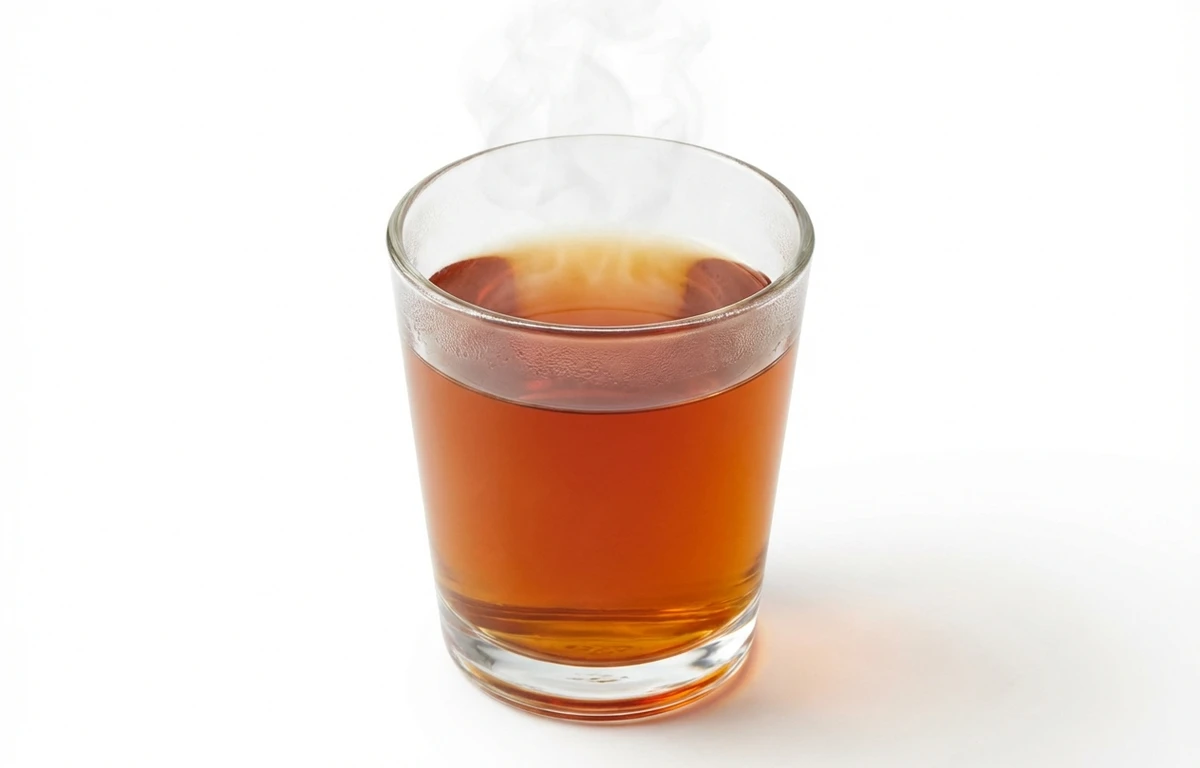
beverage
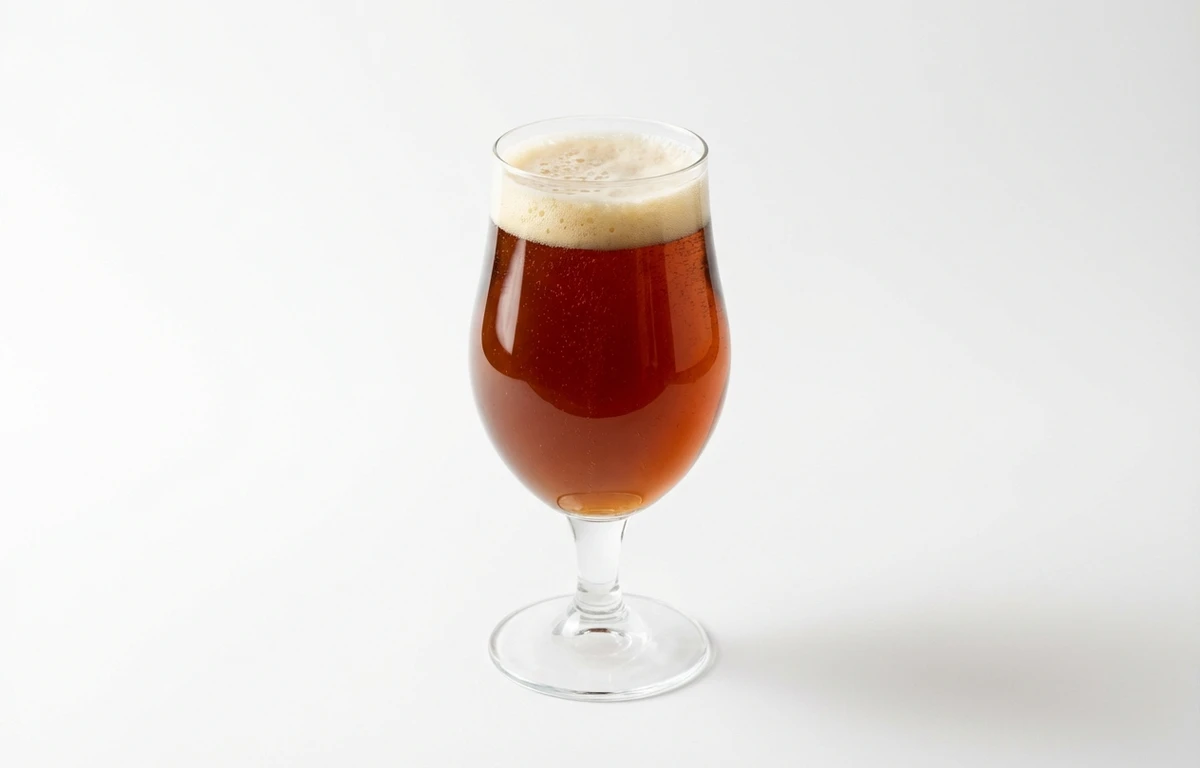
brown ale.
VegetarianVeganGluten-freeDairy-freeNut-freePeanut-freeSoy-freeEgg-freeShellfish-freeHoney-freeAlcohol-freeFermented
ALSO KNOWN AS
malty alestoutporteramber alebrown alebockmalty beer
SERVING
CALORIES
45
PROTEIN
0.30g
CARBS
3.5g
FAT
0g
FIBER
0g
NUTRITION PROFILE · per 100 g
Everything in this ingredient.
MACRONUTRIENTS
Calories45kcal—
Protein0.30g1%
Carbohydrates3.5g1%
Fiber0g0%
Sugar0.10g0%
Total fat0g0%
Saturated fat0g0%
Trans fat0g—
Cholesterol0mg0%
Water92g—
MINERALS
Sodium4.0mg0%
Potassium27mg1%
Calcium4.0mg0%
Iron0.02mg0%
Magnesium6.0mg1%
Phosphorus14mg1%
Zinc0.01mg0%
Copper0.01mg1%
Manganese0.01mg0%
Selenium0.40µg1%
VITAMINS
Vitamin A0µg0%
Vitamin C0mg0%
Vitamin D0µg0%
Vitamin E0mg0%
Vitamin K0µg0%
Thiamin (B1)0.01mg1%
Riboflavin (B2)0.03mg2%
Niacin (B3)0.51mg3%
Pantothenic acid (B5)0.04mg1%
Vitamin B60.04mg2%
Folate (B9)6.0µg2%
Vitamin B120.02µg1%
%DV based on a 2,000 cal diet. Source: USDA FoodData Central. A dash in the %DV column means there’s no established Daily Value for that nutrient.
MEASUREMENT CONVERSIONS
How much is what.
1 cup242.4g
1 tablespoon15.2g
1 teaspoon5.1g
1 oz28.6g
1 lb453.6g
1 ml1g
1 liter1010g
HEALTH BENEFITS
Why eat it.
- ✓Contains dietary silicon which may support bone density
- ✓Provides small amounts of B vitamins from yeast and malt
- ✓Contains natural antioxidants like phenolic compounds
- ✓May support cardiovascular health when consumed in strict moderation
- ✓Low in sodium and fat-free
COOKING TIPS
In the kitchen.
- 1Excellent for deglazing pans to incorporate caramelized bits into sauces
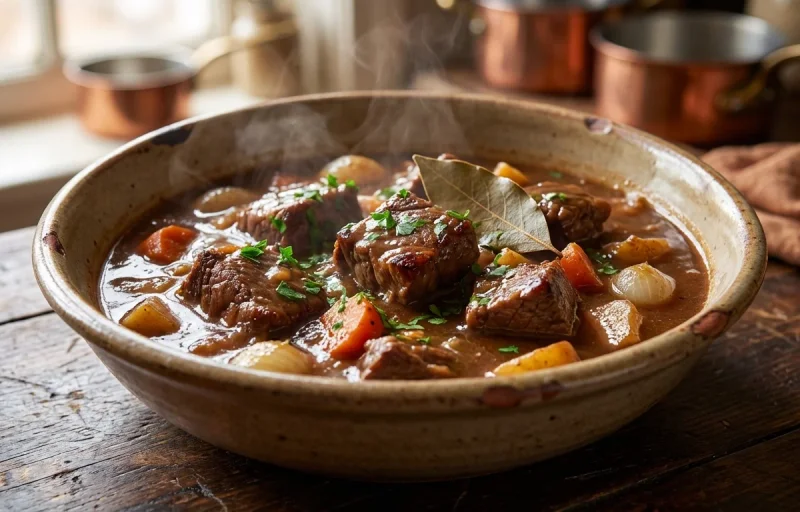
- 2Use as a braising liquid for beef or pork to add depth and malty sweetness
- 3Incorporate into batter for fish or onion rings for a light, airy texture
STORAGE
Keep it fresh.
- Store in a cool, dark place away from direct sunlight to prevent light-struck flavors
- Keep bottles upright to minimize oxidation and contact with the cap
- Once opened, consume within 24 hours as it will lose carbonation and oxidize
FAQ
Frequently asked questions.
How long does brown ale last unopened?
Most brown ales are best consumed within 6 to 9 months of bottling, though they remain safe to drink longer if stored in a cool, dark place.
Can I freeze brown ale for later use?
Yes, you can freeze it in ice cube trays for cooking purposes, though it will lose its carbonation and is not suitable for drinking after thawing.
What is a good non-alcoholic substitute for brown ale in recipes?
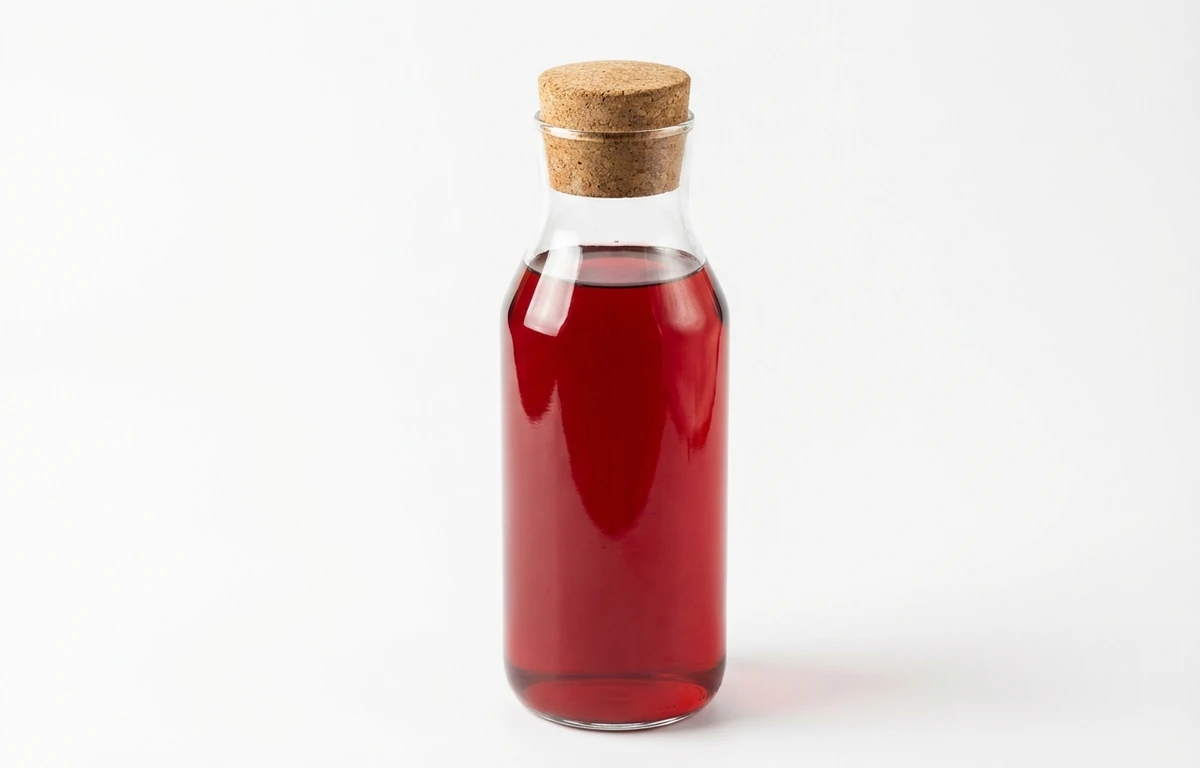
Beef or mushroom stock mixed with a teaspoon of molasses or balsamic vinegar provides a similar depth of flavor.
Does brown ale contain gluten?
Yes, brown ale is brewed from barley and sometimes wheat, both of which contain gluten.
Is brown ale vegan?
Most modern brown ales are vegan, but some traditional British versions may use isinglass (fish bladder) for fining. Check the label if unsure.
How should I choose a brown ale for cooking?
Look for one with balanced maltiness and low bitterness (IBU), as high hop bitterness can become concentrated and unpleasant when reduced.
What dishes pair best with brown ale?
It pairs exceptionally well with roasted meats, hearty stews, aged cheddar cheese, and nutty desserts.
Does the alcohol cook out completely?
No, while much of the alcohol evaporates during cooking, some residual alcohol remains depending on the cooking time and method.
RECIPES
Cook with brown ale.
0 recipes · sorted by what’s quick