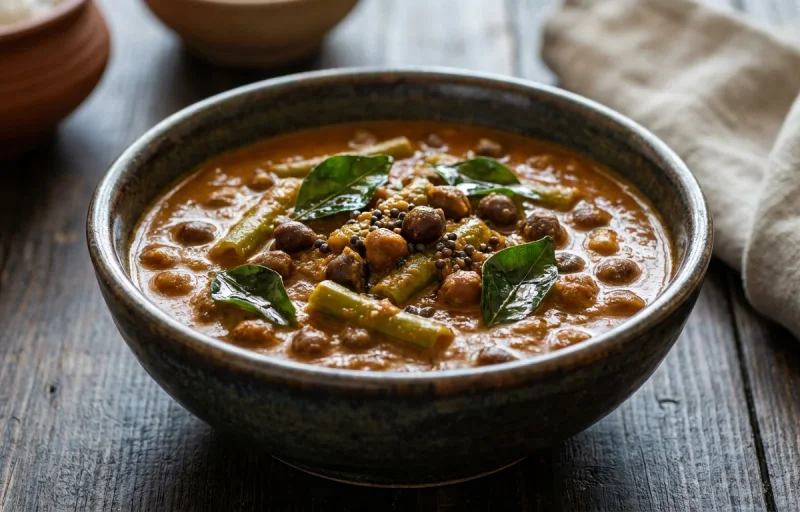
Protein1 recipes
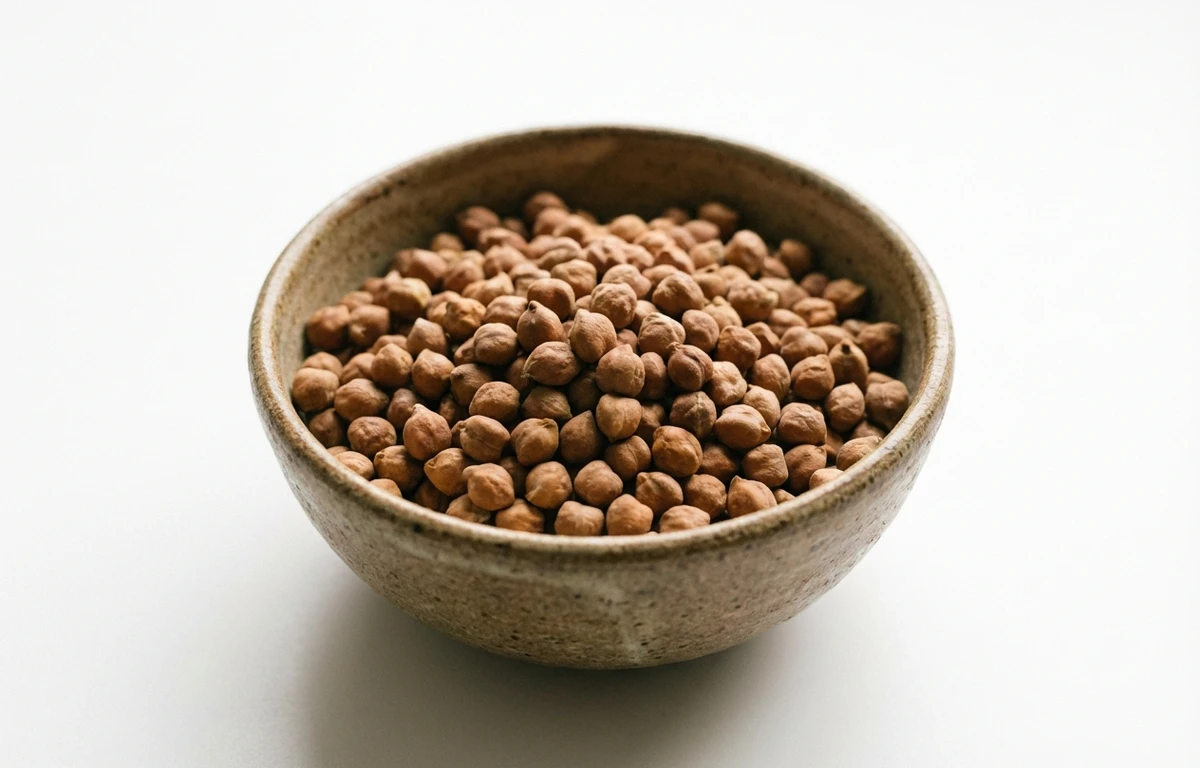
brown chickpeas.
VegetarianVeganGluten-freeDairy-freeNut-freePeanut-freeSoy-freeEgg-freeShellfish-freeHoney-freeAlcohol-free
ALSO KNOWN AS
kondakadalaidesi chickpeas
SERVING
CALORIES
364
PROTEIN
19.3g
CARBS
60.6g
FAT
6.0g
FIBER
17.4g
NUTRITION PROFILE · per 100 g
Everything in this ingredient.
MACRONUTRIENTS
Calories364kcal—
Protein19.3g39%
Carbohydrates60.6g22%
Fiber17.4g62%
Sugar10.7g21%
Total fat6.0g8%
Saturated fat0.60g3%
Trans fat0g—
Cholesterol0mg0%
Water10g—
MINERALS
Sodium24mg1%
Potassium875mg19%
Calcium105mg8%
Iron6.2mg34%
Magnesium115mg27%
Phosphorus366mg29%
Zinc3.4mg31%
Copper0.80mg89%
Manganese2.2mg96%
Selenium8.2µg15%
VITAMINS
Vitamin A3.0µg0%
Vitamin C4.0mg4%
Vitamin D0µg0%
Vitamin E0.80mg5%
Vitamin K9.0µg8%
Thiamin (B1)0.48mg40%
Riboflavin (B2)0.21mg16%
Niacin (B3)1.5mg9%
Pantothenic acid (B5)1.6mg32%
Vitamin B60.50mg29%
Folate (B9)557µg139%
Vitamin B120µg0%
%DV based on a 2,000 cal diet. Source: USDA FoodData Central. A dash in the %DV column means there’s no established Daily Value for that nutrient.
MEASUREMENT CONVERSIONS
How much is what.
1 cup200g
1 tablespoon12.5g
1 teaspoon4.2g
1 ml0.8g
1 liter833.3g
HEALTH BENEFITS
Why eat it.
- ✓Rich in plant-based protein and dietary fiber, which promotes satiety and aids in weight management.
- ✓Helps regulate blood sugar levels due to a low glycemic index, making them beneficial for individuals with diabetes.
- ✓Supports heart health by helping to lower LDL (bad) cholesterol and blood pressure.
- ✓Excellent source of manganese and folate, which are crucial for bone health, energy production, and cell growth.
COOKING TIPS
In the kitchen.
- 1Soak dried brown chickpeas overnight in water to significantly reduce cooking time and improve digestibility.
- 2Brown chickpeas have a firmer texture and nuttier flavor than lighter varieties, making them excellent for holding their shape in curries, stews, and salads.
- 3Pressure cooking is an effective method to soften dried brown chickpeas quickly, typically taking 15-20 minutes after soaking.
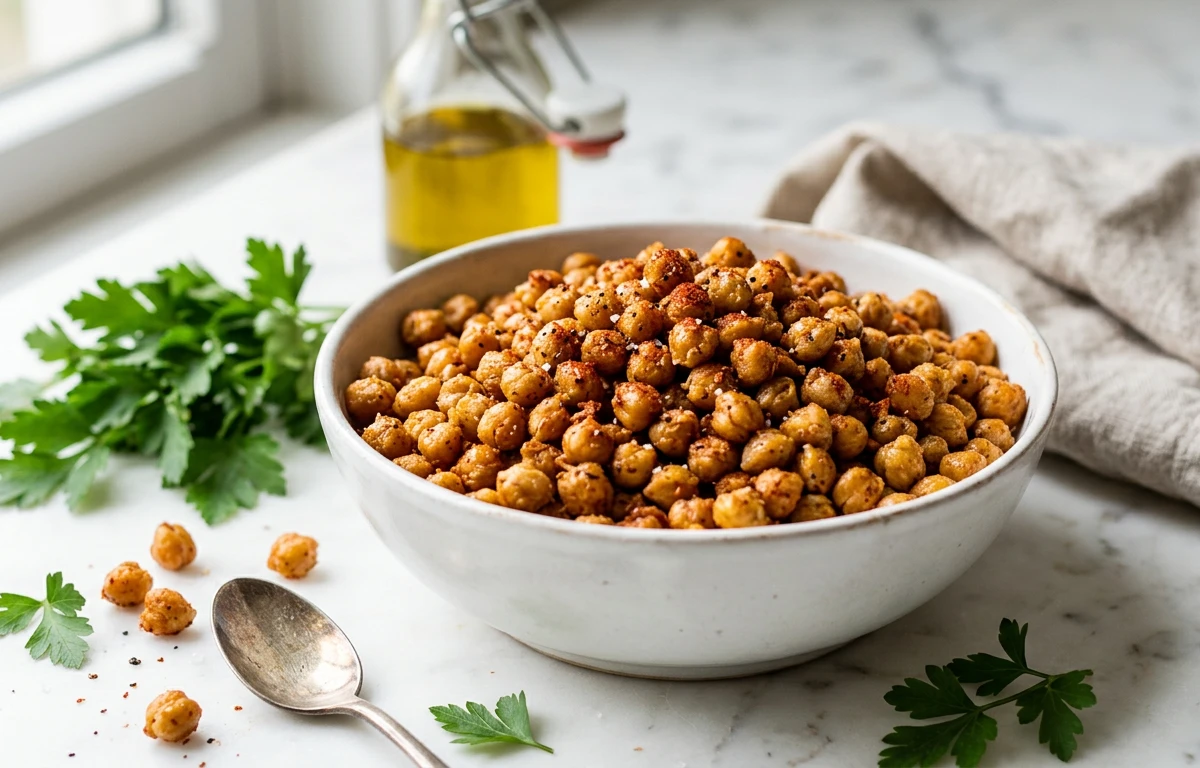
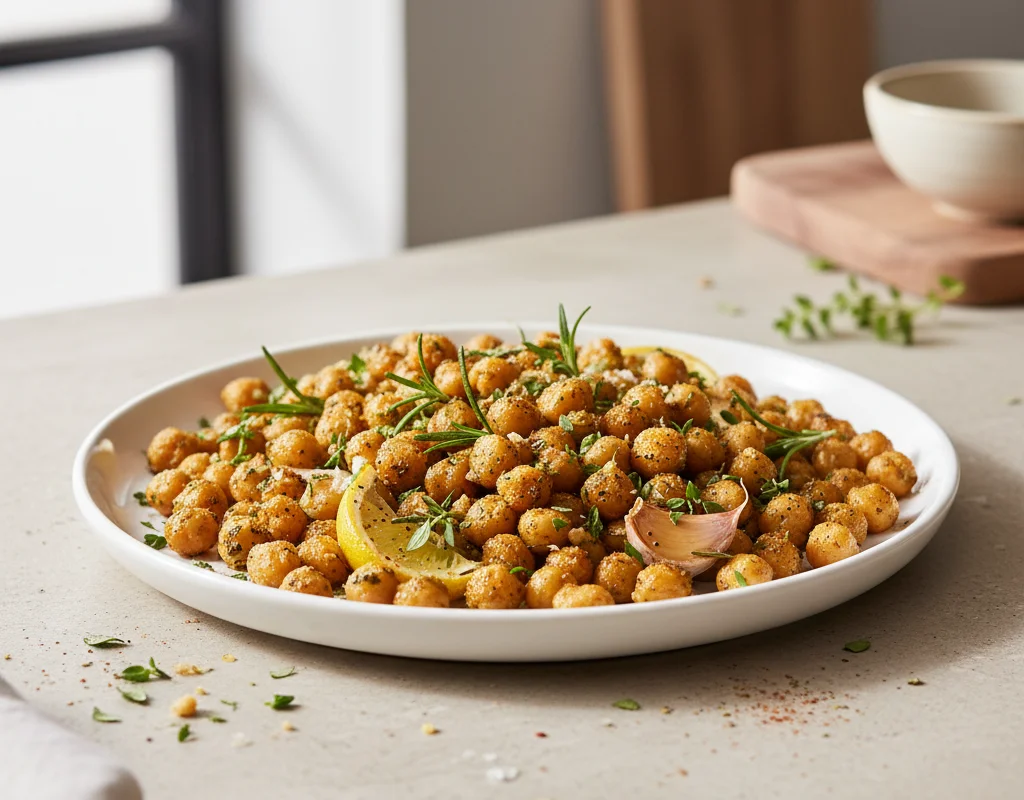
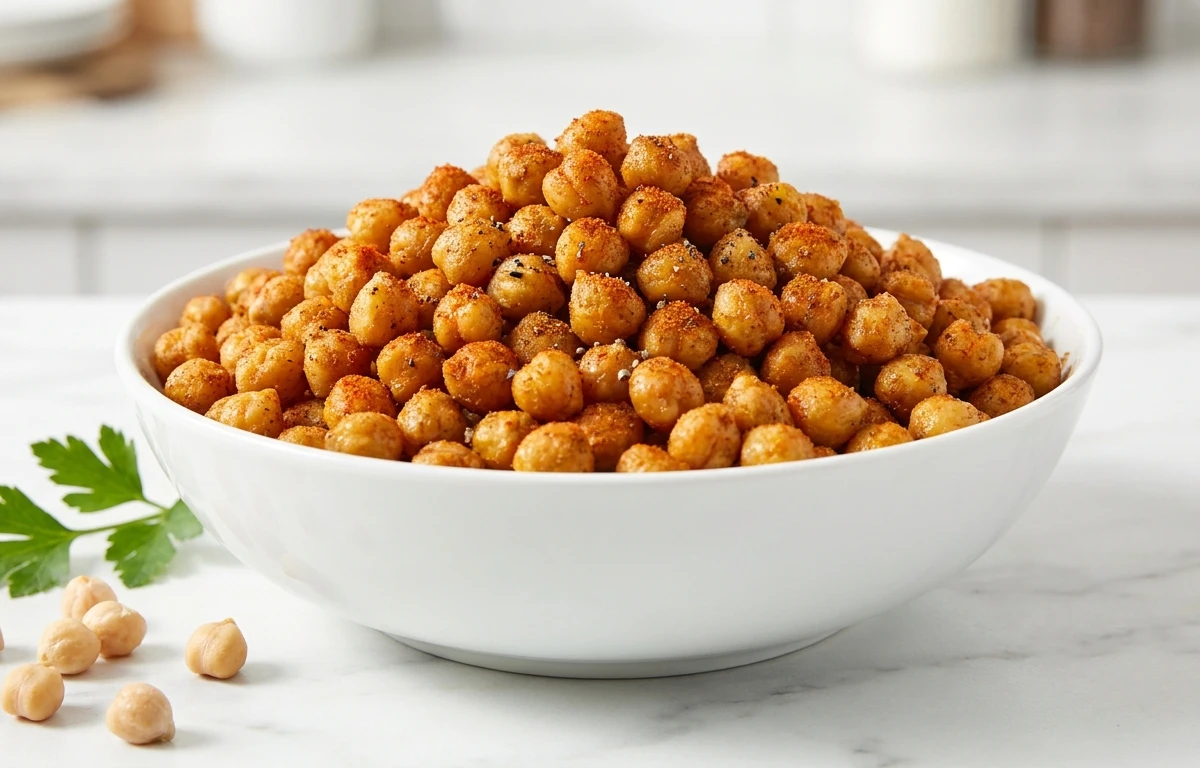
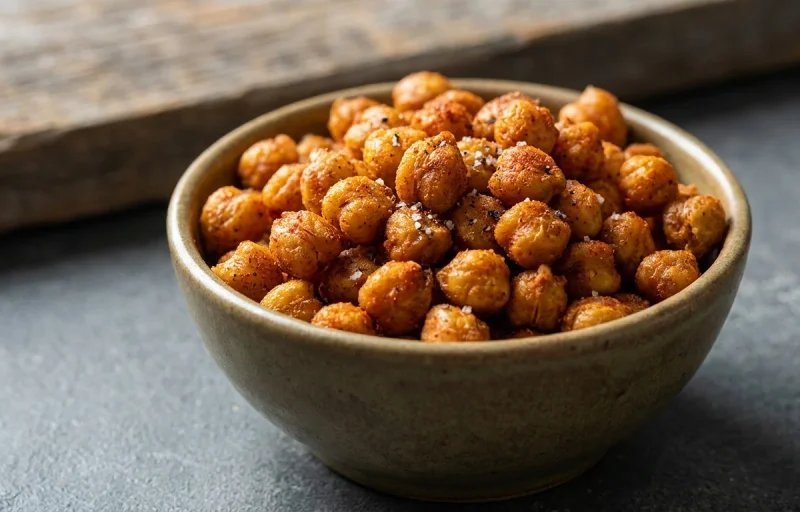
- 4Roast cooked chickpeas with olive oil and spices at 400°F (200°C) until crispy for a healthy, high-protein snack.
STORAGE
Keep it fresh.
- Store dried brown chickpeas in an airtight container in a cool, dark, and dry place for up to one year.
- Keep cooked chickpeas in a sealed container in the refrigerator for 3-4 days or freeze for up to 6 months.
FAQ
Frequently asked questions.
Are brown chickpeas healthy?
Yes, brown chickpeas are highly nutritious, providing 19.3g of protein and significant dietary fiber per 100g. They are rich in manganese and folate, which support bone health and energy production, while their fiber content helps lower LDL cholesterol for better heart health.
How much protein is in brown chickpeas?
Brown chickpeas contain approximately 19.3g of protein per 100g of dry weight. This high protein content makes them an excellent plant-based staple for vegetarians and vegans looking to support muscle maintenance and growth.
Are brown chickpeas good for weight loss?
Yes, brown chickpeas are beneficial for weight management because they are high in dietary fiber and protein. These nutrients promote satiety, helping you feel full for longer periods and reducing the likelihood of overeating.
Are brown chickpeas vegan and gluten-free?
Yes, brown chickpeas are naturally vegan and gluten-free. They are a safe and healthy option for individuals with celiac disease, gluten sensitivities, or those following a strictly plant-based diet.
Can diabetics eat brown chickpeas?
Brown chickpeas are excellent for diabetics because they have a low glycemic index. This ensures a slow and steady release of glucose into the bloodstream, helping to regulate blood sugar levels and improve insulin sensitivity.
How do you cook brown chickpeas?
To cook brown chickpeas, soak them in water for 8–12 hours first. After soaking, boil them in a pressure cooker for about 15–20 minutes or simmer in a pot for 45–60 minutes until they are tender and easily mashed.
What is the difference between brown chickpeas and white chickpeas?
Brown chickpeas (Kala Chana) are smaller, have a darker, tougher skin, and a nuttier flavor than white chickpeas (Kabuli Chana). Nutritionally, the brown variety typically contains more fiber and has a lower glycemic index than the white variety.
Can I eat brown chickpeas raw?
Dry brown chickpeas should not be eaten raw as they are difficult to digest and contain anti-nutrients. However, they can be consumed raw if they are sprouted, which involves soaking and allowing them to germinate, making them easier to digest and more nutrient-dense.
How do you store cooked brown chickpeas?
Cooked brown chickpeas should be stored in an airtight container in the refrigerator, where they will stay fresh for 3–5 days. For longer storage, you can freeze them for up to 6 months; ensure they are drained and cooled before placing them in freezer-safe bags.
Do brown chickpeas need to be soaked before cooking?
Yes, soaking is essential because it softens the tough outer skin and reduces the presence of phytic acid, which can interfere with mineral absorption. Soaking also significantly reduces cooking time and helps prevent digestive discomfort like gas.
RECIPES
Cook with brown chickpeas.
1 recipes · sorted by what’s quick