Condiment4 recipes
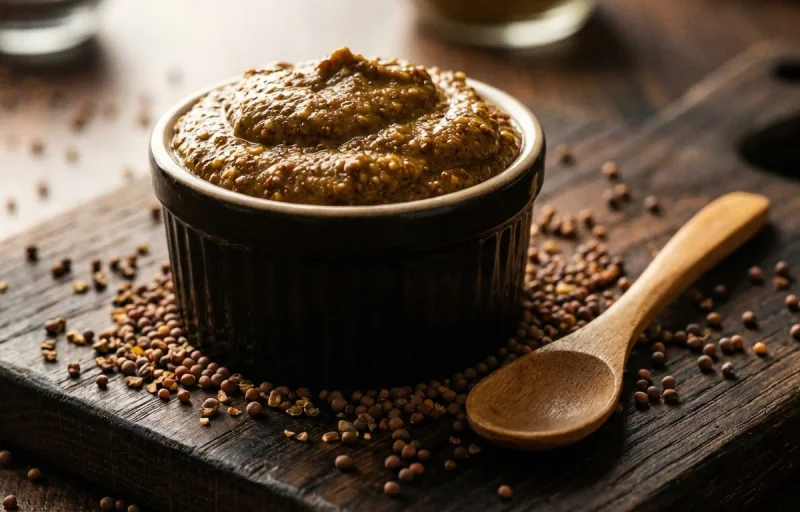
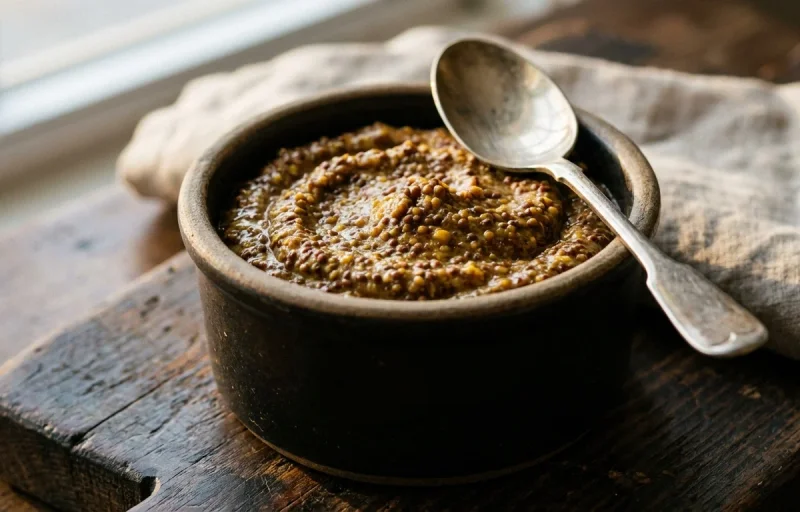
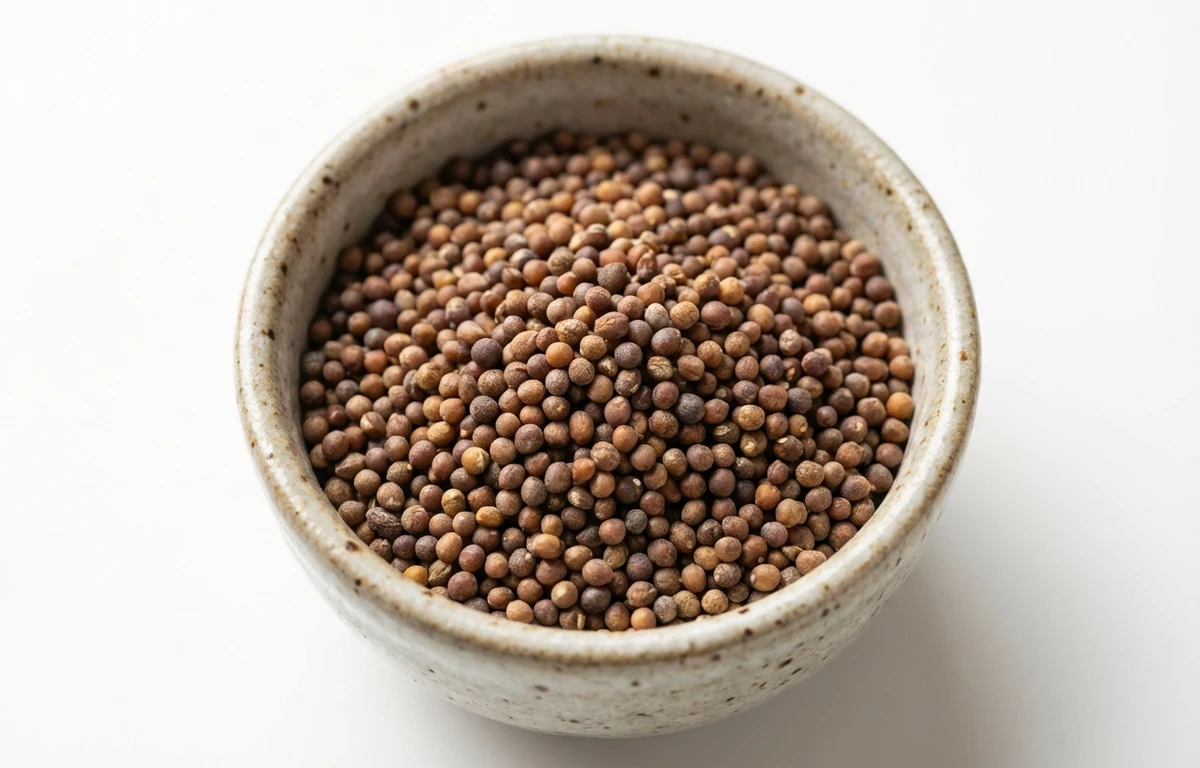
brown mustard seeds.
VegetarianVeganGluten-freeDairy-freeNut-freePeanut-freeSoy-freeEgg-freeShellfish-freeHoney-freeAlcohol-free
ALSO KNOWN AS
raiindian mustard seedschinese mustard seedsoriental mustard seeds
SERVING
CALORIES
508
PROTEIN
26.1g
CARBS
28.1g
FAT
36.2g
FIBER
12.2g
NUTRITION PROFILE · per 100 g
Everything in this ingredient.
MACRONUTRIENTS
Calories508kcal—
Protein26.1g52%
Carbohydrates28.1g10%
Fiber12.2g44%
Sugar6.7g13%
Total fat36.2g46%
Saturated fat1.9g10%
Trans fat0g—
Cholesterol0mg0%
Water5.3g—
MINERALS
Sodium13mg1%
Potassium738mg16%
Calcium266mg20%
Iron9.2mg51%
Magnesium370mg88%
Phosphorus828mg66%
Zinc6.1mg55%
Copper0.60mg67%
Manganese2.4mg104%
Selenium208µg378%
VITAMINS
Vitamin A3.0µg0%
Vitamin C7.1mg8%
Vitamin D0µg0%
Vitamin E5.1mg34%
Vitamin K5.4µg5%
Thiamin (B1)0.80mg67%
Riboflavin (B2)0.26mg20%
Niacin (B3)4.7mg29%
Pantothenic acid (B5)0.80mg16%
Vitamin B60.40mg24%
Folate (B9)162µg41%
Vitamin B120µg0%
%DV based on a 2,000 cal diet. Source: USDA FoodData Central. A dash in the %DV column means there’s no established Daily Value for that nutrient.
MEASUREMENT CONVERSIONS
How much is what.
1 cup180g
1 tablespoon11g
1 teaspoon3.5g
1 oz28.4g
1 lb453.6g
1 ml0.8g
1 liter760g
HEALTH BENEFITS
Why eat it.
- ✓Rich in selenium and magnesium which provide anti-inflammatory benefits
- ✓Contains glucosinolates that may help inhibit the growth of cancer cells
- ✓Aids digestion by increasing the production of saliva
- ✓Good source of omega-3 fatty acids and antioxidants
- ✓May help lower blood sugar levels and protect against infections
COOKING TIPS
In the kitchen.
- 1Temper in hot oil (tadka) until they pop to release their nutty, pungent flavor
- 2Soak and grind into a paste for traditional Bengali or European mustard preparations
- 3Dry roast the seeds briefly before grinding to enhance their aroma
STORAGE
Keep it fresh.
- Store in an airtight container in a cool, dark, and dry place
- Keep away from direct sunlight to preserve the essential oils and potency
- Whole seeds can last up to 1 year if stored properly
FAQ
Frequently asked questions.
How long do brown mustard seeds last?
Whole brown mustard seeds can last for about 1 year when stored in an airtight container in a cool, dark place. Ground mustard loses its potency much faster, usually within 6 months.
What is the difference between brown and yellow mustard seeds?
Brown mustard seeds (Brassica juncea) are smaller and significantly hotter and more pungent than yellow mustard seeds (Sinapis alba), which are milder and larger.
Can I substitute yellow mustard seeds for brown?
Yes, but the flavor will be much milder. If substituting yellow for brown, you may need to increase the quantity to achieve a similar heat level, though the flavor profile will still differ slightly.
Do I need to wash mustard seeds before using?
No, washing is not necessary for dried mustard seeds. If they appear dusty, you can give them a quick rinse and pat them dry immediately, but usually, they are used straight from the package.
Why do mustard seeds pop when heated in oil?
The moisture inside the seed turns to steam when heated. Once the pressure builds up, the outer hull bursts, which is a sign that the seeds have released their aromatic oils into the cooking medium.
Are brown mustard seeds gluten-free?
Yes, pure brown mustard seeds are naturally gluten-free. However, always check labels on pre-packaged mustard pastes or powders as they may contain thickeners like wheat flour.
How do I make a mustard paste from seeds?
Soak the seeds in water, vinegar, or wine for several hours to soften them, then blend or grind them into a paste. Using cold liquid results in a hotter mustard, while hot liquid creates a milder flavor.
What are the best pairings for brown mustard seeds?
They pair excellently with fatty meats, root vegetables, cabbage, lentils, and in pickling brines or salad dressings.
RECIPES
Cook with brown mustard seeds.
4 recipes · sorted by what’s quick