Grain4 recipes
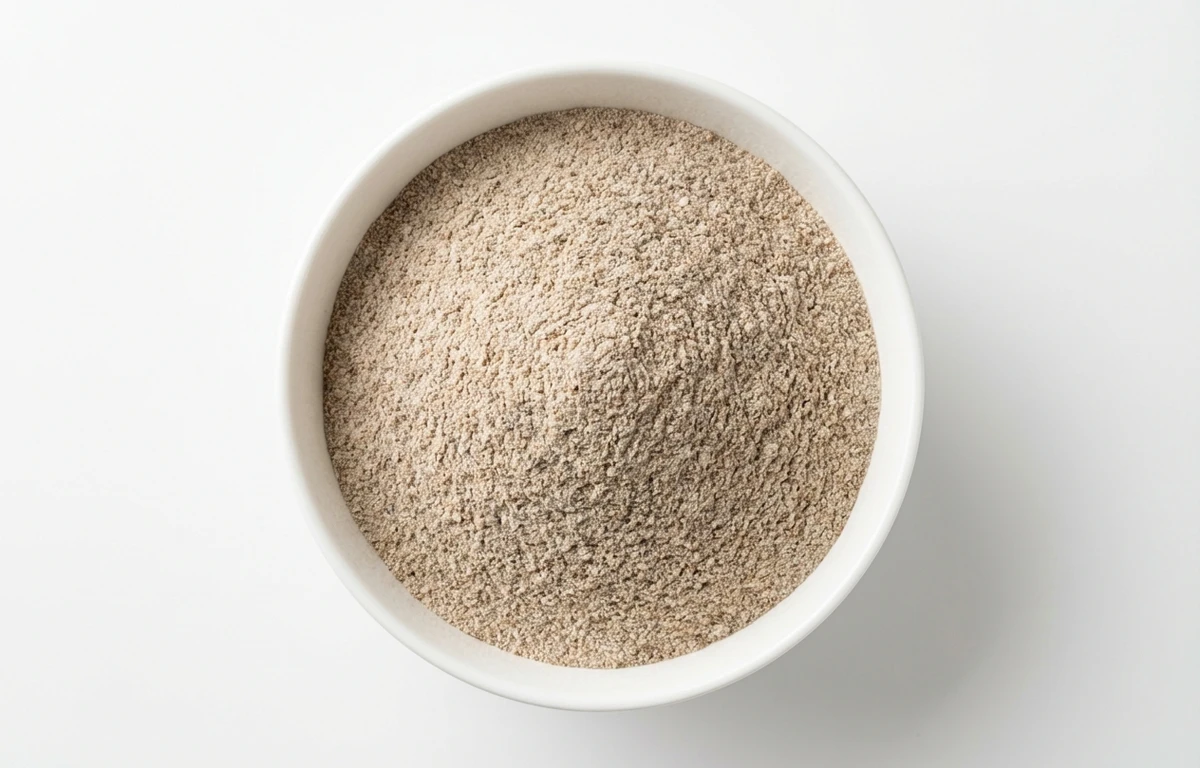
buckwheat flour.
VegetarianVeganGluten-freeDairy-freeNut-freePeanut-freeSoy-freeEgg-freeShellfish-freeHoney-freeAlcohol-freeWhole grain
ALSO KNOWN AS
kuttu ka attakuttu attabuckwheat flourwhole-groat buckwheat flour
SERVING
CALORIES
335
PROTEIN
12.6g
CARBS
70.6g
FAT
3.1g
FIBER
10g
NUTRITION PROFILE · per 100 g
Everything in this ingredient.
MACRONUTRIENTS
Calories335kcal—
Protein12.6g25%
Carbohydrates70.6g26%
Fiber10g36%
Sugar2.6g5%
Total fat3.1g4%
Saturated fat0.70g3%
Trans fat0g—
Cholesterol0mg0%
Water11g—
MINERALS
Sodium11mg0%
Potassium577mg12%
Calcium41mg3%
Iron4.1mg23%
Magnesium251mg60%
Phosphorus337mg27%
Zinc3.1mg28%
Copper0.50mg56%
Manganese2.0mg87%
Selenium8.3µg15%
VITAMINS
Vitamin A0µg0%
Vitamin C0mg0%
Vitamin D0µg0%
Vitamin E0.30mg2%
Vitamin K7.0µg6%
Thiamin (B1)0.40mg33%
Riboflavin (B2)0.20mg15%
Niacin (B3)7.0mg44%
Pantothenic acid (B5)1.2mg24%
Vitamin B60.60mg35%
Folate (B9)54µg14%
Vitamin B120µg0%
%DV based on a 2,000 cal diet. Source: USDA FoodData Central. A dash in the %DV column means there’s no established Daily Value for that nutrient.
MEASUREMENT CONVERSIONS
How much is what.
1 cup120g
1 tablespoon7.5g
1 teaspoon2.5g
1 ml0.5g
1 liter500g
HEALTH BENEFITS
Why eat it.
- ✓Naturally gluten-free, making it suitable for individuals with celiac disease or gluten sensitivity.
- ✓Rich in dietary fiber, which aids in digestion, promotes satiety, and helps regulate blood sugar levels.
- ✓A good source of magnesium and manganese, minerals essential for bone health, energy metabolism, and nerve function.
- ✓Contains antioxidants like rutin, which can help improve circulation, reduce inflammation, and lower blood pressure.
COOKING TIPS
In the kitchen.
- 1Its lack of gluten means it won't rise like wheat flour. For leavened goods, substitute 25-50% of the regular flour with buckwheat flour to add flavor without sacrificing structure.
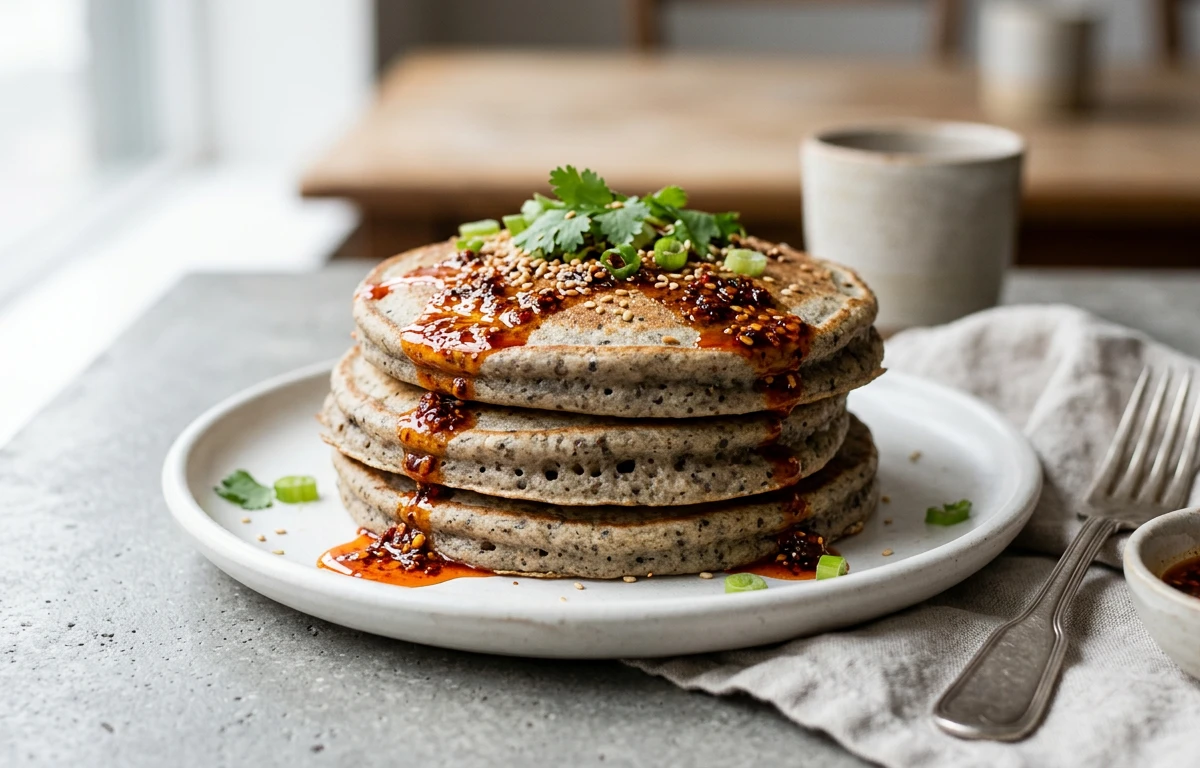
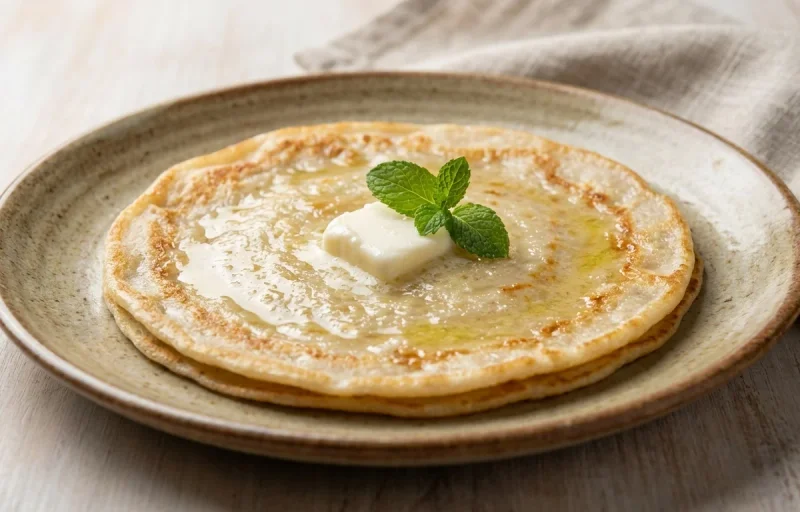
- 2The earthy, nutty flavor is ideal for pancakes, waffles, crepes (especially French galettes), and soba noodles.
- 3Buckwheat flour absorbs more liquid than all-purpose flour, so you may need to increase the liquid in your recipe slightly for the desired consistency.
- 4Toasting the flour in a dry skillet over medium heat for a few minutes before using can enhance its nutty aroma and flavor.
STORAGE
Keep it fresh.
- Store in an airtight container in a cool, dark place like a pantry for up to 3 months.
- For longer-term storage (up to 6 months), keep it in the refrigerator or freezer to prevent the natural oils from going rancid.
FAQ
Frequently asked questions.
Is buckwheat flour healthy?
Yes, buckwheat flour is highly nutritious. It is rich in dietary fiber, magnesium, and antioxidants like rutin, which support heart health and digestion. It also provides a good amount of plant-based protein compared to many other grains.
How much protein is in buckwheat flour?
Buckwheat flour contains approximately 12.6 grams of protein per 100 grams. It is considered a high-quality plant protein because it contains all nine essential amino acids that the body cannot produce on its own.
Is buckwheat flour gluten-free?
Yes, despite its name, buckwheat is not a type of wheat; it is a pseudocereal and is naturally gluten-free. This makes it an excellent choice for individuals with celiac disease or non-celiac gluten sensitivity.
Is buckwheat flour keto-friendly?
No, buckwheat flour is not keto-friendly. With approximately 70.6 grams of carbohydrates per 100 grams, it is too high in carbs for a strict ketogenic diet, though it is a healthy source of complex carbohydrates for other diets.
What does buckwheat flour taste like?
Buckwheat flour has a distinct, robust flavor that is often described as earthy, nutty, and slightly bitter. Because of its strong profile, it is frequently blended with milder flours to balance the taste in baked goods.
Can I substitute all-purpose flour with buckwheat flour in a 1:1 ratio?
Generally, no. Because buckwheat flour lacks gluten, it doesn't provide the same elasticity or structure as wheat flour. It is best to replace only 25-50% of the wheat flour in a recipe or use a specific gluten-free recipe that includes binders like xanthan gum.
Is buckwheat flour good for weight loss?
Yes, it can be beneficial for weight management due to its high fiber content. Fiber promotes a feeling of fullness and satiety, which can help reduce overall calorie intake, while its low glycemic index helps regulate blood sugar levels.
Does buckwheat flour contain wheat?
No, buckwheat flour does not contain any wheat. It is derived from the seeds of the buckwheat plant, which is actually related to rhubarb and sorrel rather than cereal grasses like wheat, barley, or rye.
How should I store buckwheat flour?
Because buckwheat flour contains natural oils that can go rancid, it should be stored in an airtight container in a cool, dark place. For a longer shelf life of up to 6-12 months, it is highly recommended to keep it in the refrigerator or freezer.
What are the best culinary uses for buckwheat flour?
It is most famously used to make traditional Japanese soba noodles and French savory crepes (galettes). It also works exceptionally well in pancakes, waffles, muffins, and blinis where its dense, nutty flavor is a highlight.
RECIPES
Cook with buckwheat flour.
4 recipes · sorted by what’s quick