Grain3 recipes
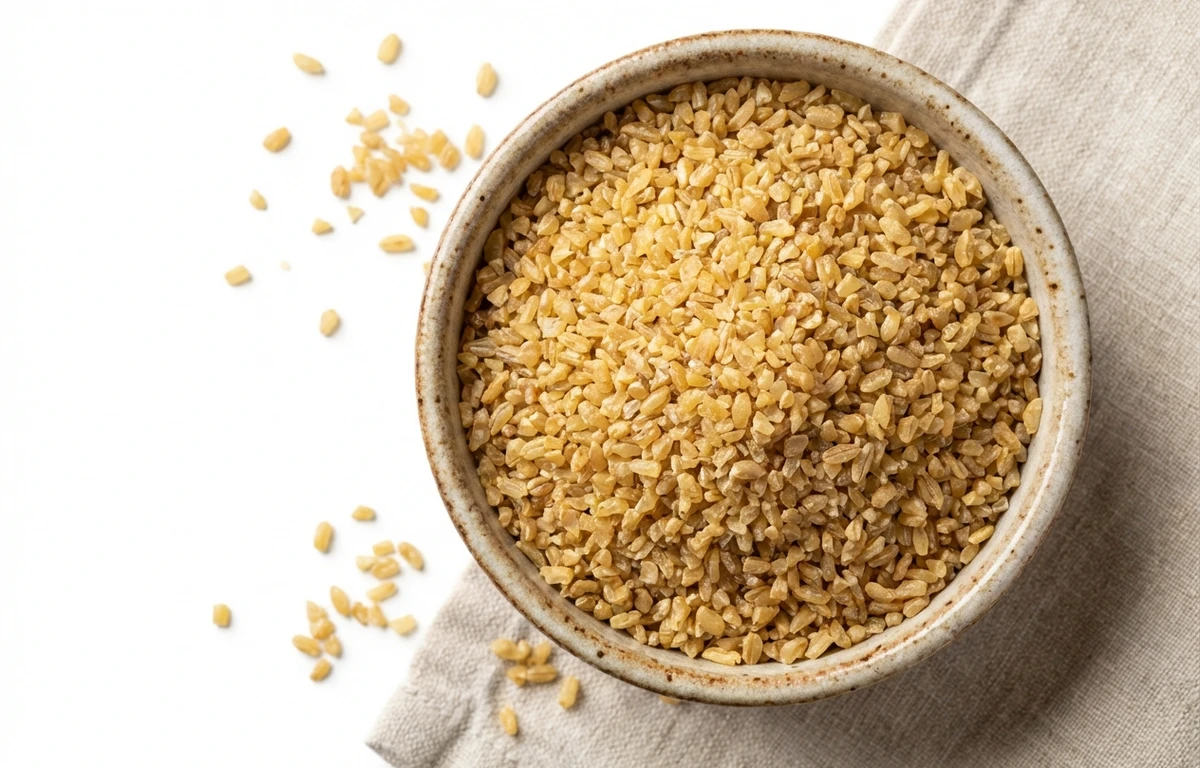
bulgur wheat.
VegetarianVeganGluten-freeDairy-freeNut-freePeanut-freeSoy-freeEgg-freeShellfish-freeHoney-freeAlcohol-freeWhole grain
ALSO KNOWN AS
burghulbulgar wheat
SERVING
CALORIES
342
PROTEIN
10.8g
CARBS
69.1g
FAT
1.4g
FIBER
8.8g
NUTRITION PROFILE · per 100 g
Everything in this ingredient.
MACRONUTRIENTS
Calories342kcal—
Protein10.8g22%
Carbohydrates69.1g25%
Fiber8.8g31%
Sugar1.2g2%
Total fat1.4g2%
Saturated fat0.20g1%
Trans fat0g—
Cholesterol0mg0%
Water8.6g—
MINERALS
Sodium2.1mg0%
Potassium330mg7%
Calcium27.1mg2%
Iron3.9mg21%
Magnesium116mg28%
Phosphorus245mg20%
Zinc2.0mg18%
Copper0.40mg44%
Manganese1.9mg85%
Selenium10.5µg19%
VITAMINS
Vitamin A2.5µg0%
Vitamin C0mg0%
Vitamin D6.3µg31%
Vitamin E0.21mg1%
Vitamin K1.5µg1%
Thiamin (B1)0.24mg20%
Riboflavin (B2)0.12mg9%
Niacin (B3)2.0mg13%
Pantothenic acid (B5)0.84mg17%
Vitamin B60.24mg14%
Biotin (B7)2.5µg8%
Folate (B9)26.3µg7%
%DV based on a 2,000 cal diet. Source: USDA FoodData Central. A dash in the %DV column means there’s no established Daily Value for that nutrient.
MEASUREMENT CONVERSIONS
How much is what.
1 cup190g
1 tablespoon11.9g
1 teaspoon4g
1 ml0.8g
1 liter793.3g
HEALTH BENEFITS
Why eat it.
- ✓Rich in dietary fiber, which supports digestive health, promotes satiety, and helps regulate blood sugar levels.
- ✓Good source of essential minerals like manganese, magnesium, and iron, which are vital for bone health, energy metabolism, and oxygen transport.
- ✓As a whole grain, its consumption is linked to a lower risk of chronic diseases, including heart disease and type 2 diabetes.
- ✓Provides plant-based protein and complex carbohydrates for sustained energy release.
COOKING TIPS
In the kitchen.
- 1Bulgur is par-cooked, so it cooks quickly. Fine-grain bulgur can be prepared by simply soaking in hot water or broth for 15-20 minutes until tender.
- 2For a fluffier texture when simmering, use a 1:2 ratio of bulgur to liquid (e.g., one cup of bulgur to two cups of water or broth).
- 3To enhance its nutty flavor, toast the dry bulgur in a pan with a little oil for a few minutes before adding liquid.
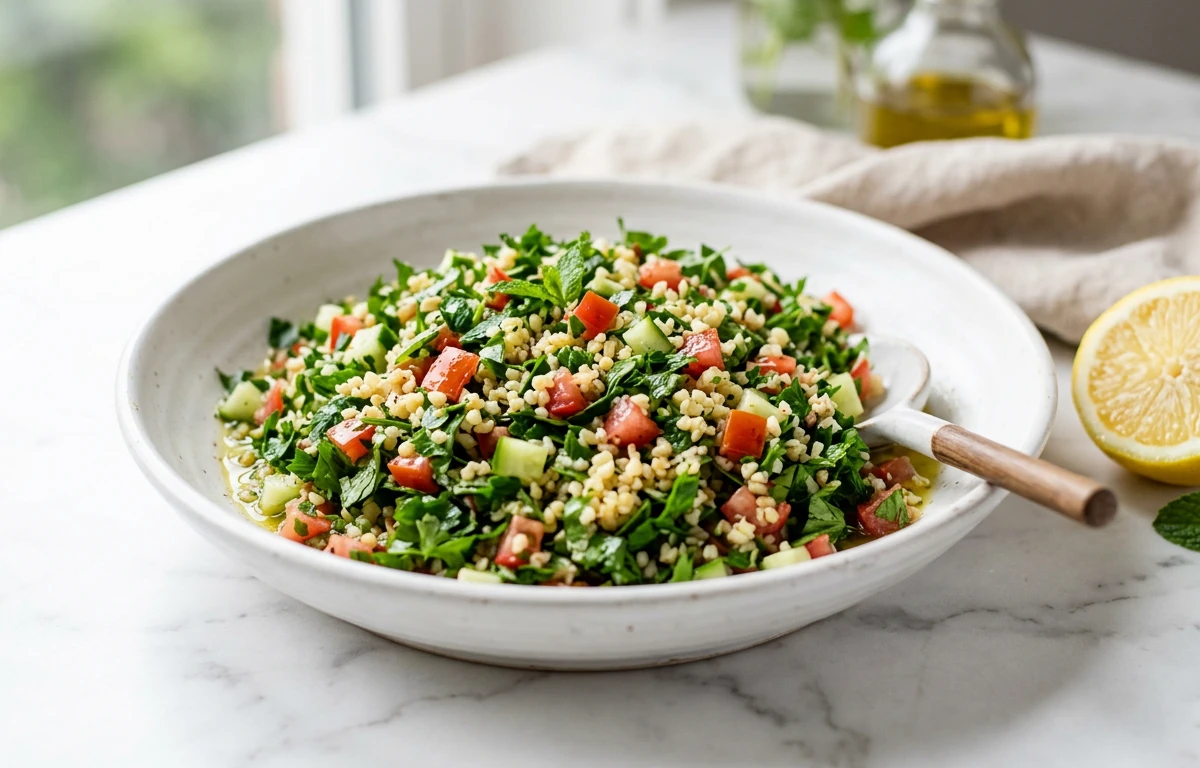
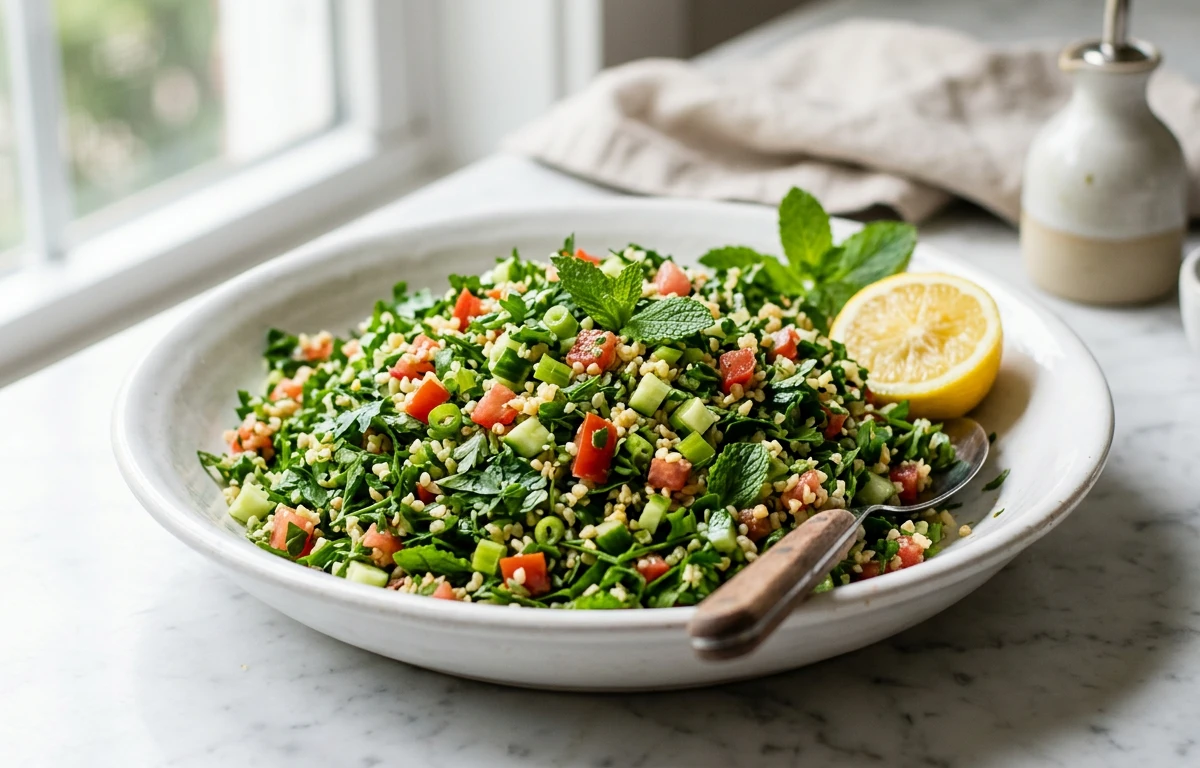
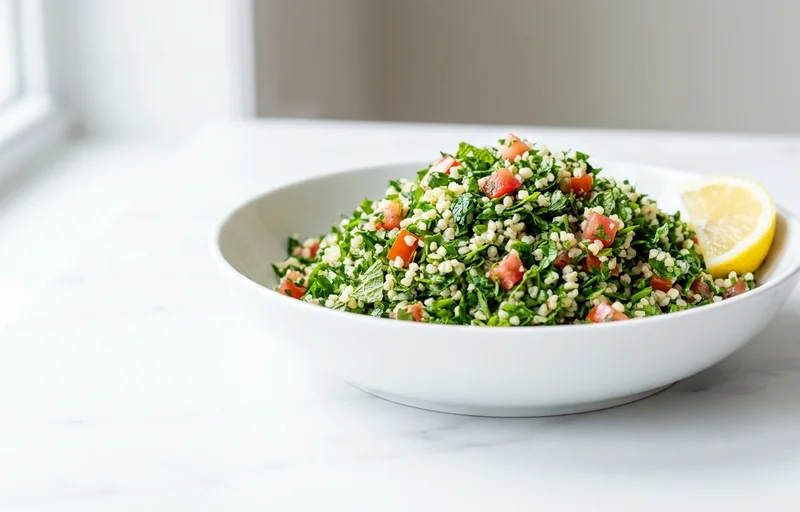
- 4It is the traditional base for tabbouleh salad and works well in pilafs, soups, veggie burgers, and as a substitute for rice or couscous.
STORAGE
Keep it fresh.
- Store uncooked dry bulgur in an airtight container in a cool, dark, and dry place like a pantry for up to 12 months.
- Cooked bulgur should be stored in a sealed container in the refrigerator and consumed within 4-5 days.
FAQ
Frequently asked questions.
Is bulgur wheat healthy?
Yes, bulgur wheat is a highly nutritious whole grain. It is rich in dietary fiber, which supports digestion and heart health, and provides essential minerals like magnesium and iron for energy metabolism and bone health.
How much protein and fiber are in bulgur wheat?
Per 100g, bulgur wheat contains approximately 10.84g of protein and is a significant source of dietary fiber. This combination helps promote satiety and provides a steady release of energy throughout the day.
Is bulgur wheat good for weight loss?
Bulgur wheat can be an excellent addition to a weight loss diet because it is high in fiber and low in fat (1.45g per 100g). The fiber content helps you feel full longer, which can help reduce overall calorie intake.
Is bulgur wheat gluten-free?
No, bulgur wheat is not gluten-free. Since it is made from cracked whole-grain wheat, it contains gluten and is not suitable for individuals with celiac disease or non-celiac gluten sensitivity.
Is bulgur wheat keto-friendly?
No, bulgur wheat is not keto-friendly. With approximately 69.06g of carbohydrates per 100g, it is a high-carb food that would exceed the daily limits of a strict ketogenic diet.
How do you cook bulgur wheat?
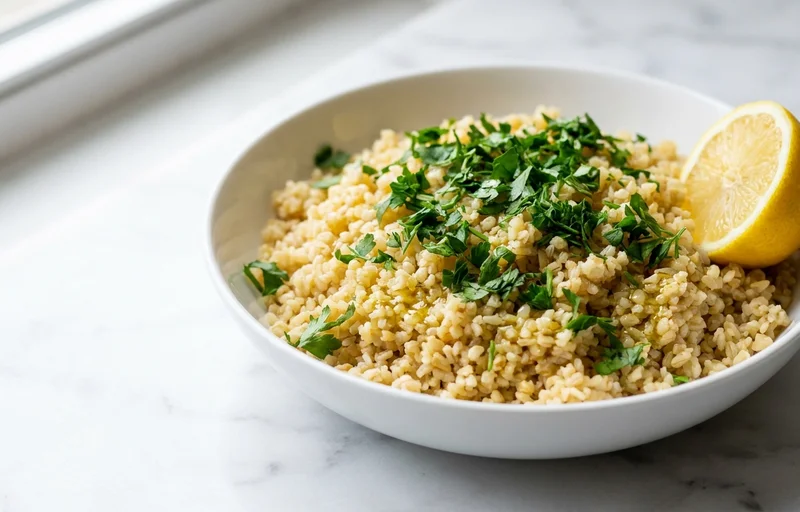
Because bulgur is parboiled during processing, it is very fast to prepare. Simply combine one part bulgur with two parts boiling water or broth, cover, and let it soak for 10–15 minutes until the liquid is absorbed and the grains are tender.
What does bulgur wheat taste like?
Bulgur wheat has a mild, nutty flavor and a pleasant, chewy texture. Its neutral profile makes it an excellent base for salads like tabbouleh or as a hearty substitute for rice in pilafs and stews.
How should I store bulgur wheat and how long does it last?
Store dry bulgur in an airtight container in a cool, dry, and dark place for up to 12 months. Once cooked, it should be kept in the refrigerator and consumed within 3 to 5 days.
Do I need to wash bulgur wheat before cooking?
While not strictly necessary because it is pre-cooked and dried, rinsing bulgur wheat under cold water can help remove any excess surface starch. This helps ensure the grains remain distinct and fluffy rather than clumping together.
Can I substitute bulgur wheat with quinoa or rice?
Yes, quinoa and brown rice are common substitutes. Quinoa is a great gluten-free alternative with a similar nutty flavor, while brown rice provides a similar whole-grain nutritional profile but requires a longer cooking time.
RECIPES
Cook with bulgur wheat.
3 recipes · sorted by what’s quick