
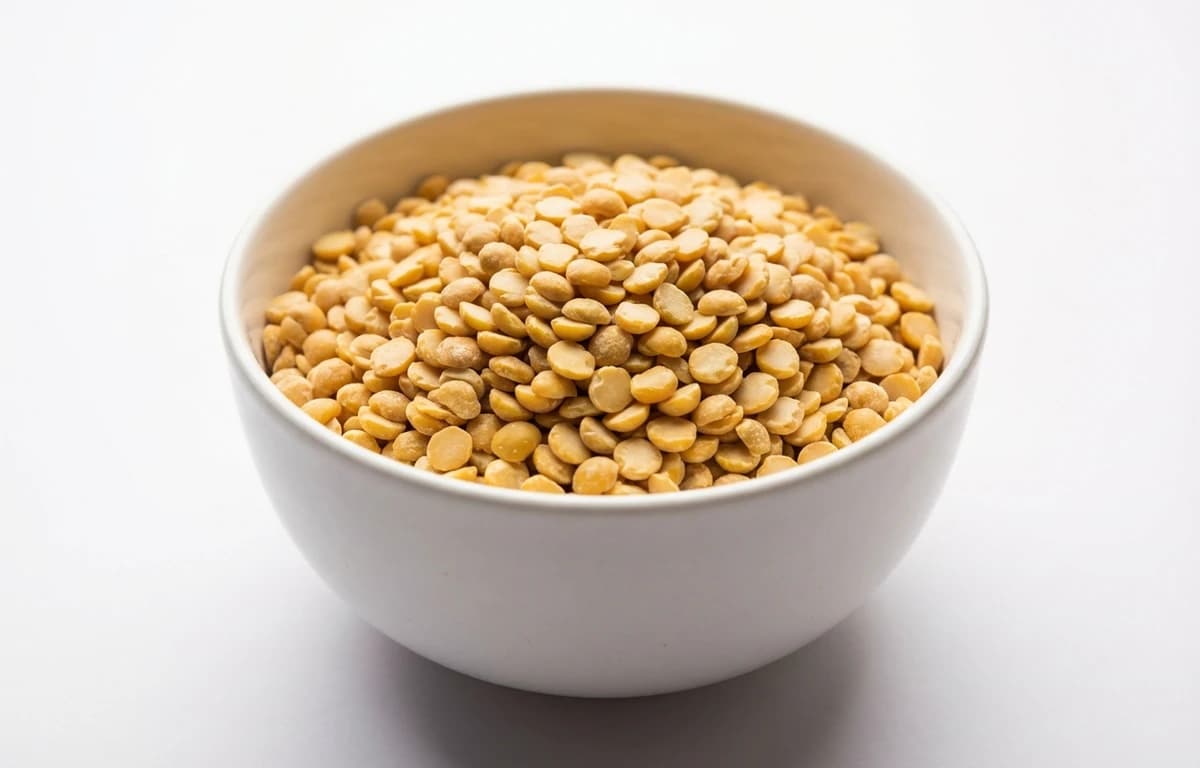
buta dali
Also known as: Chana Dal, Split chickpeas, Bengal gram dal, Kadala parippu, Senaga pappu, Kadalai paruppu, Cholar dal, Harbhara dal, Chana ni dal, चना दाल
Loading...
Also known as: Chana Dal, Split chickpeas, Bengal gram dal, Kadala parippu, Senaga pappu, Kadalai paruppu, Cholar dal, Harbhara dal, Chana ni dal, चना दाल
Per 100g
Nutrition data source: USDA FoodData Central
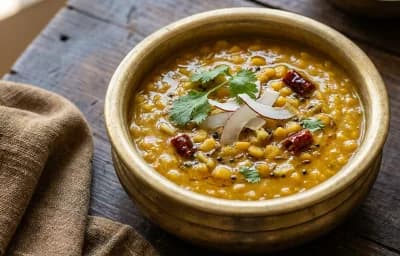
A comforting and flavorful Odia lentil curry made with chana dal and fresh coconut. This simple, no-onion-garlic recipe is a staple in Odia households, perfect with rice or roti.
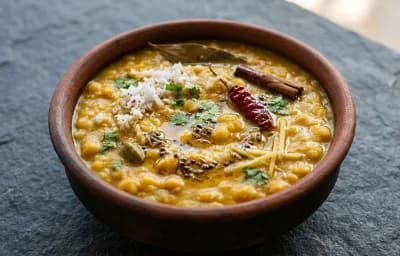
A classic Odia lentil dish where chana dal is cooked with coconut and whole spices, then tempered to perfection. It has a unique sweet and savory flavor that pairs wonderfully with puris or rice.
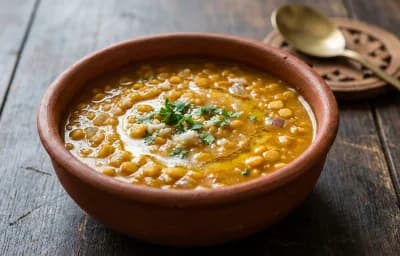
A comforting and flavorful Odia curry made with chana dal and a fragrant coconut-spice paste. This wholesome dish is a staple in Odia households, perfect with steamed rice or soft rotis. It's rich, aromatic, and deeply satisfying.
Yes, buta dali is highly nutritious, offering a rich source of plant-based protein, fiber, and essential minerals like iron and folate. It supports muscle repair, heart health, and helps maintain steady energy levels throughout the day.
100g of raw buta dali contains approximately 20.47g of protein. This makes it an excellent protein source for vegetarians and vegans looking to meet their daily nutritional requirements for muscle building and repair.
Yes, buta dali is beneficial for weight loss due to its high fiber and protein content. These nutrients promote satiety, helping you feel full for longer and reducing the likelihood of overeating.
Yes, buta dali is naturally gluten-free as it is a legume. It is a safe and nutritious carbohydrate and protein source for individuals with celiac disease or gluten sensitivity.
Buta dali is excellent for diabetics because it has a low glycemic index (GI). This means it releases sugar slowly into the bloodstream, helping to prevent sharp spikes in blood glucose levels.
To cook buta dali, rinse it thoroughly and boil it in a pressure cooker or pot with water, turmeric, and salt until tender. It is commonly used in traditional dals, vegetable stir-fries, or ground into flour for snacks.
While not strictly required, soaking buta dali for 30 to 60 minutes is recommended. Soaking reduces the total cooking time and helps break down complex sugars, making the lentils easier to digest.
buta dali is a versatile ingredient found in cuisines around the world. With 364 calories per 100g and 20.47 grams of protein, it's a nutritious addition to many dishes.
Explore more ingredients in the legume category with complete nutrition information.
View all legume →Buta dali is made from split chickpeas (chana dal), whereas yellow split peas come from field peas. Buta dali has a nuttier flavor, a lower glycemic index, and holds its shape better during cooking than split peas.
Store dry buta dali in an airtight container in a cool, dry, and dark place to prevent moisture and pests. When stored correctly, it can remain fresh and flavorful for up to 12 months.
Buta dali is generally well-tolerated, but its high fiber content can cause gas for some. To improve digestibility, ensure it is cooked until completely soft and consider adding spices like ginger or asafoetida (hing) during preparation.