Dairy1 recipes
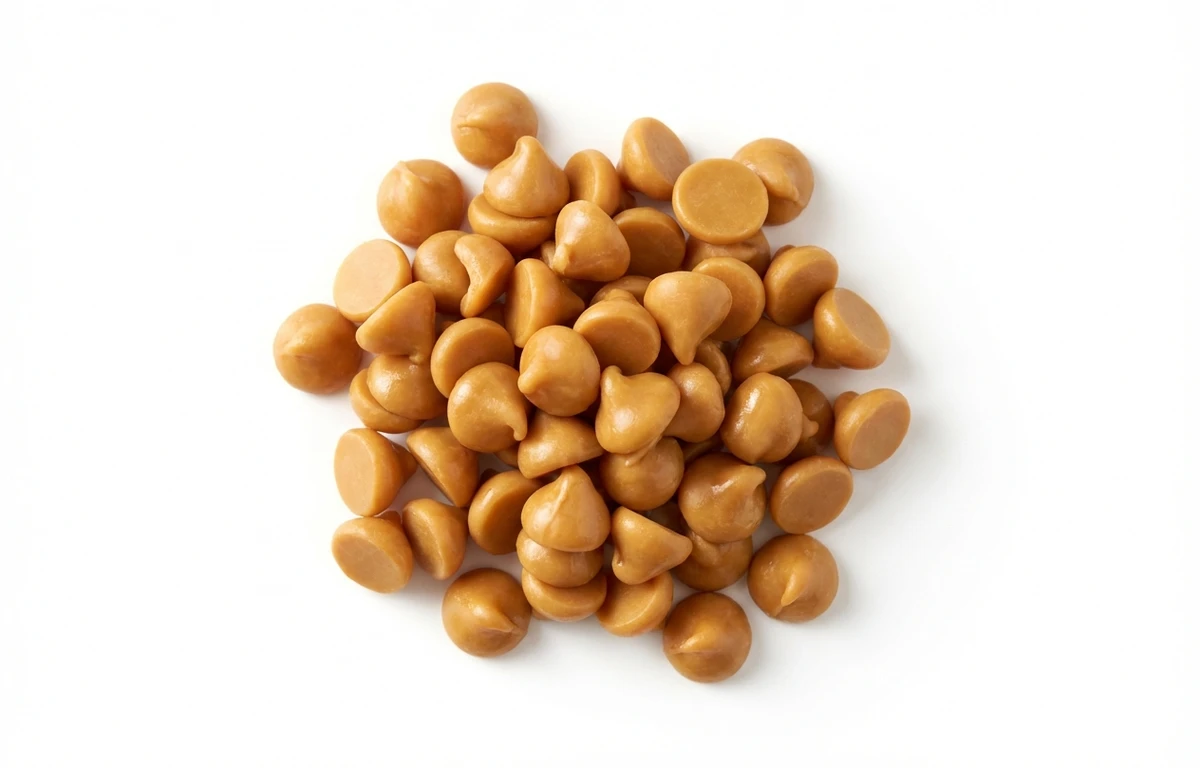
butterscotch chips.
VegetarianVeganGluten-freeDairy-freeNut-freePeanut-freeSoy-freeEgg-freeShellfish-freeHoney-freeAlcohol-free
ALSO KNOWN AS
butterscotch morselsbutterscotch baking chips
SERVING
CALORIES
533
PROTEIN
3.3g
CARBS
66.7g
FAT
26.7g
FIBER
0.70g
NUTRITION PROFILE · per 100 g
Everything in this ingredient.
MACRONUTRIENTS
Calories533kcal—
Protein3.3g7%
Carbohydrates66.7g24%
Fiber0.70g3%
Sugar60g120%
Total fat26.7g34%
Saturated fat16.7g84%
Cholesterol7.0mg2%
Water1.5g—
MINERALS
Sodium100mg4%
Potassium70mg1%
Calcium67mg5%
Iron0.67mg4%
Magnesium0mg0%
Phosphorus1.0mg0%
Zinc0.09mg1%
Copper0mg0%
Manganese0mg0%
Selenium0.60µg1%
VITAMINS
Vitamin A28µg3%
Vitamin C0mg0%
Vitamin D0µg0%
Vitamin E0.09mg1%
Vitamin K0.30µg0%
Thiamin (B1)0.01mg1%
Riboflavin (B2)0.02mg2%
Niacin (B3)0mg0%
Pantothenic acid (B5)0mg0%
Vitamin B60mg0%
Folate (B9)0µg0%
Vitamin B120µg0%
%DV based on a 2,000 cal diet. Source: USDA FoodData Central. A dash in the %DV column means there’s no established Daily Value for that nutrient.
MEASUREMENT CONVERSIONS
How much is what.
1 cup170g
1 tablespoon10.6g
1 teaspoon3.5g
1 ml0.7g
1 liter708.3g
1 piece16g
HEALTH BENEFITS
Why eat it.
- ✓May contain trace amounts of calcium and potassium from milk solids and molasses.
COOKING TIPS
In the kitchen.
- 1When melting, use low, gentle heat in a double boiler or microwave in 20-second intervals, stirring frequently to prevent scorching.
- 2Ensure all bowls and utensils are completely dry before melting, as any drop of water can cause the chips to seize and become grainy.
- 3Fold into cookie dough, brownie batter, or scones at the end of mixing to help them retain their shape during baking.
- 4Use as a decorative topping for cakes, cupcakes, and ice cream, or melt to create a drizzle or sauce.
STORAGE
Keep it fresh.
- Store in an airtight container in a cool, dry place like a pantry (around 60-70°F or 15-21°C) for up to one year.
- Avoid storing in the refrigerator, as condensation can cause the chips to 'bloom' (develop a white, chalky coating).
- For long-term storage, freeze in a sealed, freezer-safe bag for up to 18 months.
FAQ
Frequently asked questions.
Are butterscotch chips healthy?
Butterscotch chips are high in sugar and saturated fats, making them a treat to be enjoyed in moderation. While they provide a quick energy boost, they lack significant vitamins, minerals, or fiber and are considered an indulgent baking ingredient.
How many calories and carbs are in butterscotch chips?
A 100g serving of butterscotch chips contains approximately 533 calories and 66.7g of carbohydrates. Most of these carbohydrates come from sugar, so they should be consumed sparingly by those monitoring their glycemic intake.
Do butterscotch chips have any health benefits?
They contain trace amounts of calcium and potassium derived from milk solids and molasses used in the flavoring. However, these amounts are minimal and do not make the chips a significant source of daily nutrients.
Are butterscotch chips vegan?
Most standard butterscotch chips are not vegan because they contain milk solids, whey, or other dairy derivatives. If you follow a vegan diet, look for specialty brands specifically labeled as dairy-free or vegan.
Are butterscotch chips gluten-free?
Most major brands of butterscotch chips are naturally gluten-free as they are made from sugar, oil, and dairy. However, always check the label for barley malt or cross-contamination warnings if you have a severe gluten sensitivity.
Are butterscotch chips keto-friendly?
No, butterscotch chips are not keto-friendly due to their very high sugar and carbohydrate content. A single tablespoon can contain enough sugar to disrupt ketosis for most individuals on a strict low-carb diet.
What do butterscotch chips taste like?
Butterscotch chips have a sweet, creamy flavor profile characterized by deep notes of brown sugar, butter, and vanilla. They offer a richer, more 'toasty' sweetness compared to white chocolate or standard caramel.
Can you melt butterscotch chips for dipping or drizzling?
Yes, they can be melted using a microwave or a double boiler. Because they can be prone to seizing, adding a teaspoon of shortening or coconut oil helps achieve a smooth, pourable consistency for coating treats.
How should I store butterscotch chips and how long do they last?
Store them in a cool, dry, and dark pantry in an airtight container. When stored properly, they typically last for 12 to 18 months; if they develop white spots (fat bloom), they are still safe to eat but may have a slightly altered texture.
What is a good substitute for butterscotch chips in a recipe?
Caramel chips or peanut butter chips are the best substitutes for a similar texture and sweetness. For a more authentic flavor match, you can use chopped toffee bits or even white chocolate chips mixed with a little cinnamon.
RECIPES
Cook with butterscotch chips.
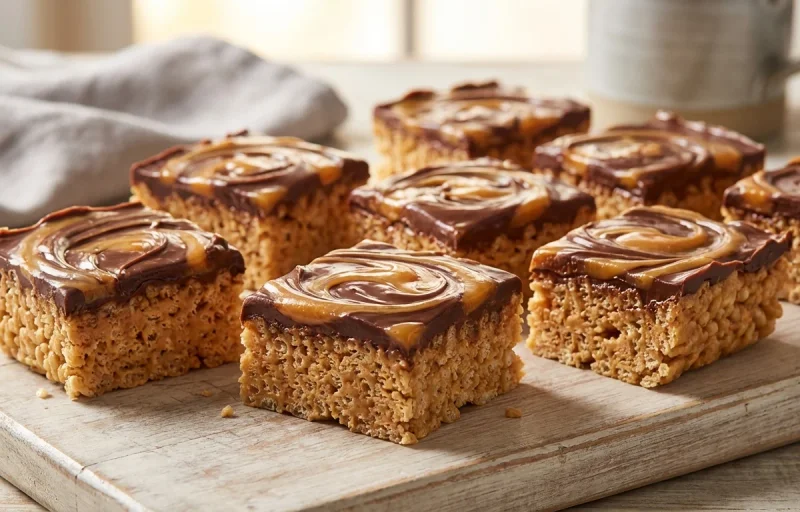
1 recipes · sorted by what’s quick