spice
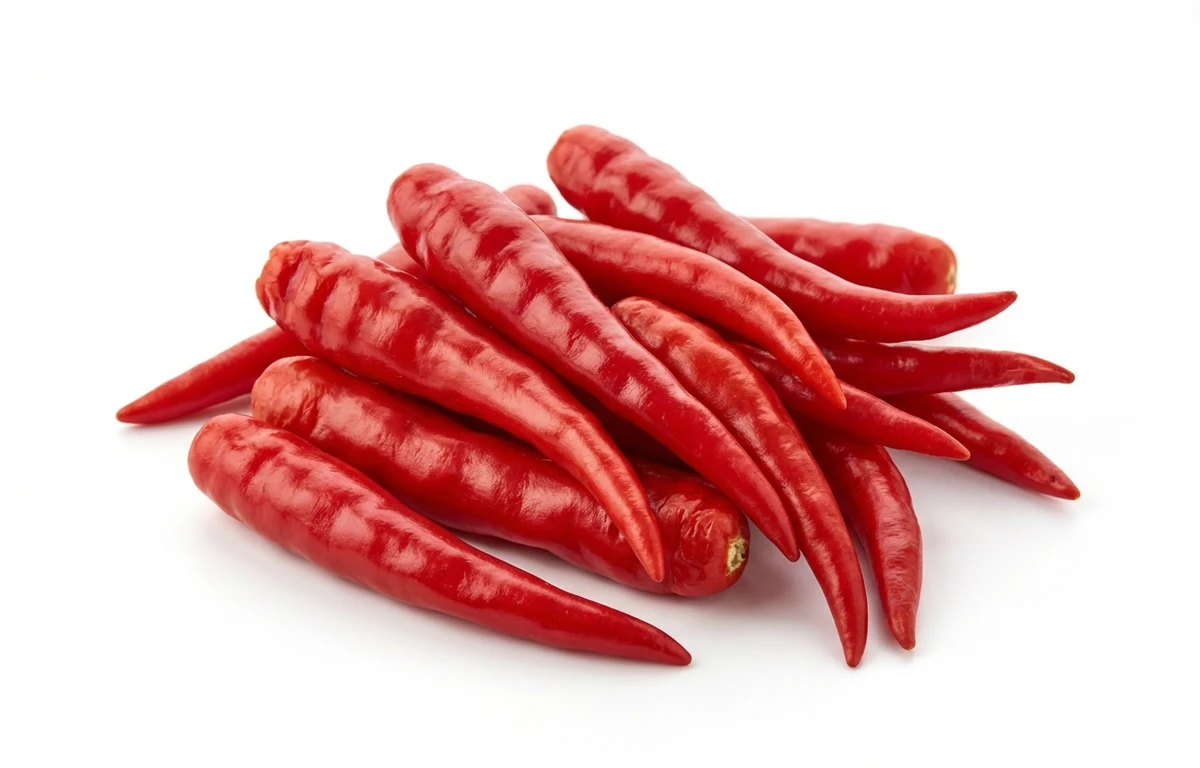
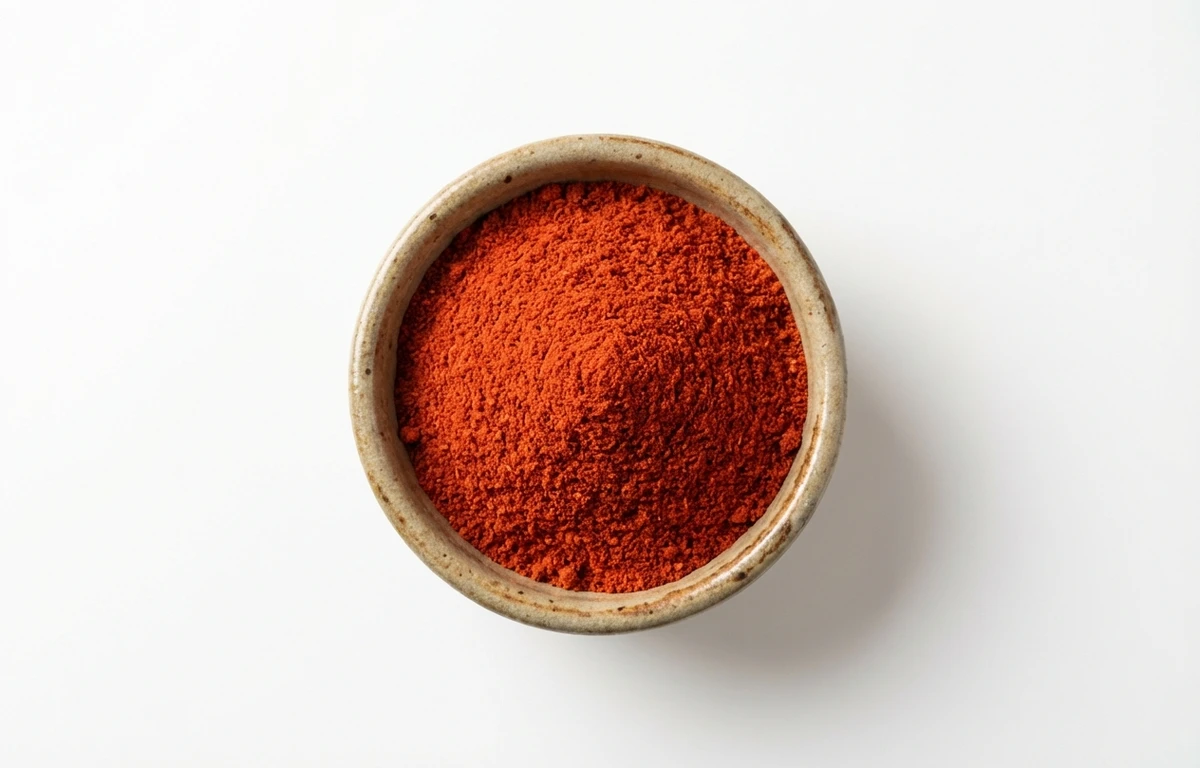
Byadagi Red Chillies.
VegetarianVeganGluten-freeDairy-freeNut-freePeanut-freeSoy-freeEgg-freeShellfish-freeHoney-freeAlcohol-free
ALSO KNOWN AS
Byadagi MenasinakaiKaddi ChilliesByadagi Red Chilies
SERVING
CALORIES
321
PROTEIN
10.6g
CARBS
56.6g
FAT
5.8g
FIBER
27.2g
NUTRITION PROFILE · per 100 g
Everything in this ingredient.
MACRONUTRIENTS
Calories321kcal—
Protein10.6g21%
Carbohydrates56.6g21%
Fiber27.2g97%
Sugar7.1g14%
Total fat5.8g7%
Saturated fat0.80g4%
Trans fat0g—
Cholesterol0mg0%
Water10.5g—
MINERALS
Sodium30mg1%
Potassium1870mg40%
Calcium160mg12%
Iron12mg67%
Magnesium150mg36%
Phosphorus160mg13%
Zinc1.0mg9%
Copper0.40mg44%
Manganese0.60mg26%
Selenium0.50µg1%
VITAMINS
Vitamin A1500µg167%
Vitamin C0.70mg1%
Vitamin D0µg0%
Vitamin E0.70mg5%
Vitamin K14µg12%
Thiamin (B1)0.10mg8%
Riboflavin (B2)0.30mg23%
Niacin (B3)1.2mg8%
Pantothenic acid (B5)0.50mg10%
Vitamin B60.40mg24%
Folate (B9)50µg13%
Vitamin B120µg0%
%DV based on a 2,000 cal diet. Source: USDA FoodData Central. A dash in the %DV column means there’s no established Daily Value for that nutrient.
MEASUREMENT CONVERSIONS
How much is what.
1 cup35g
1 tablespoon6g
1 teaspoon2g
1 oz28.4g
1 lb453.6g
1 piece1.5g
HEALTH BENEFITS
Why eat it.
- ✓Rich in Vitamin A which supports eye health and immunity
- ✓Contains capsaicin which may boost metabolism
- ✓High antioxidant content helps fight oxidative stress
- ✓Aids in digestion by stimulating gastric juices
- ✓Anti-inflammatory properties may help reduce pain
COOKING TIPS
In the kitchen.
- 1Dry roast on low heat until aromatic to enhance flavor before grinding
- 2Remove the seeds if you want the deep red color without excessive heat
- 3Soak in warm water for 15-20 minutes to make a smooth, vibrant red paste
STORAGE
Keep it fresh.
- Store in an airtight container in a cool, dark, and dry place
- Keep away from moisture to prevent mold growth
- Can be refrigerated or frozen in sealed bags for longer shelf life
FAQ
Frequently asked questions.
When stored in an airtight container in a cool, dry place, they can last for up to 12 months.
When stored in an airtight container in a cool, dry place, they can last for up to 12 months.
Are Byadagi chillies very spicy?
No, they are known for their deep red color and shriveled appearance rather than high heat. They have a low Scoville rating compared to other Indian chillies.
What is the best substitute for Byadagi chillies?
Kashmiri Red Chillies are the best substitute as they also provide a vibrant red color with mild heat.
How can I identify authentic Byadagi chillies?
Look for chillies that are long, deep red, and have a very wrinkled or shriveled skin.
Can I freeze Byadagi chillies?
Yes, freezing them in a vacuum-sealed bag helps retain their color and potency for over a year.
Do I need to wash them before use?
Generally, they are wiped with a clean dry cloth. If you wash them, ensure they are dried immediately to prevent sogginess.
What dishes are they commonly used in?
They are essential for South Indian dishes like Sambar, Bisi Bele Bath, and various chutneys and spice powders.
Are they used for making chili powder?
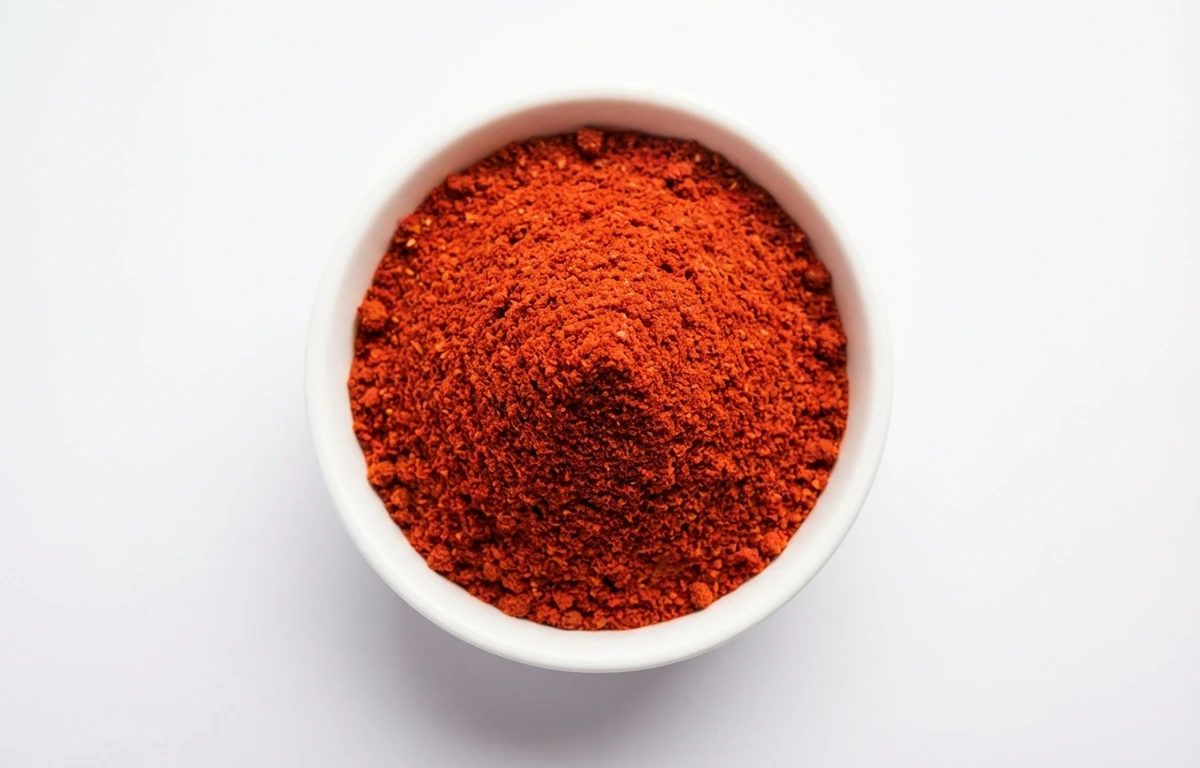
Yes, they are often ground into a fine powder to provide a natural deep red color to curries without making them too spicy.