
Other2 recipes
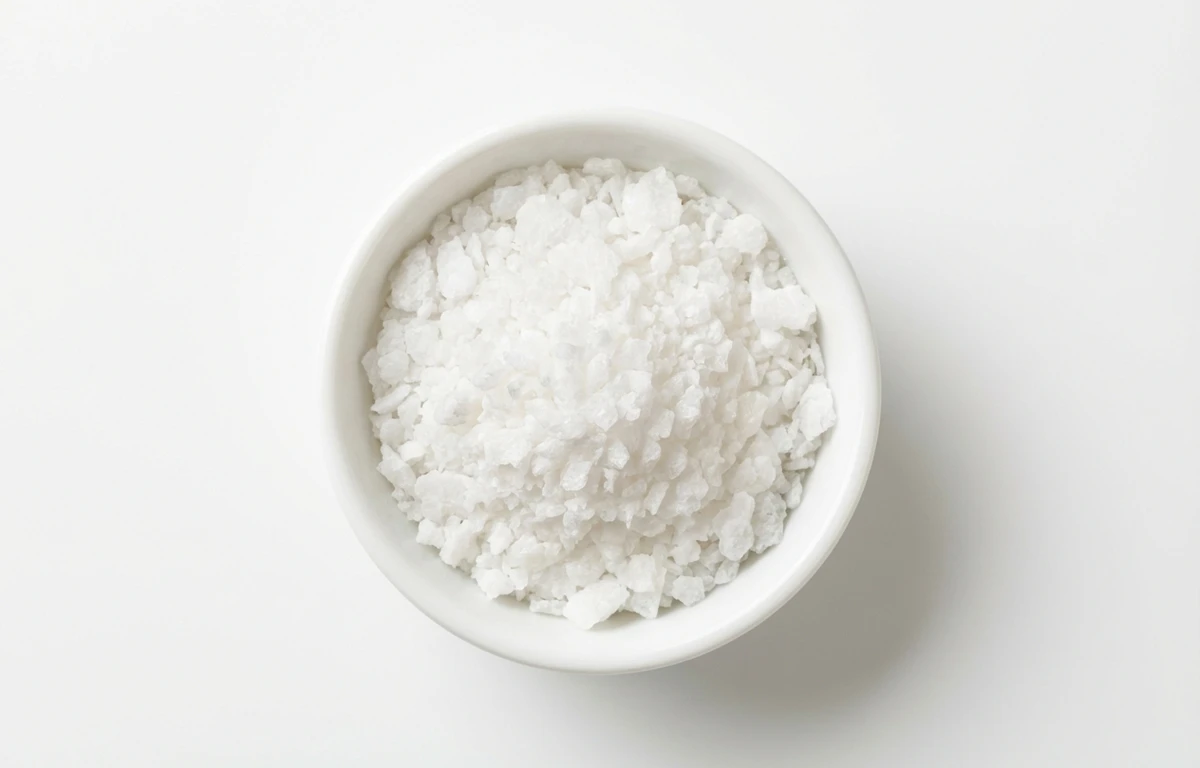
calcium chloride.
VegetarianVeganGluten-freeDairy-freeNut-freePeanut-freeSoy-freeEgg-freeShellfish-freeHoney-freeAlcohol-free
ALSO KNOWN AS
pickle crispE509calcium salt
SERVING
CALORIES
0
PROTEIN
0g
CARBS
0g
FAT
0g
FIBER
0g
NUTRITION PROFILE · per 100 g
Everything in this ingredient.
MACRONUTRIENTS
Calories0kcal—
Protein0g0%
Carbohydrates0g0%
Fiber0g0%
Sugar0g0%
Total fat0g0%
Saturated fat0g0%
Trans fat0g—
Cholesterol0mg0%
Water0g—
MINERALS
Sodium0mg0%
Potassium0mg0%
Calcium27000mg2077%
Iron0mg0%
Magnesium0mg0%
Phosphorus0mg0%
Zinc0mg0%
Copper0mg0%
Manganese0mg0%
Selenium0µg0%
VITAMINS
Vitamin A0µg0%
Vitamin C0mg0%
Vitamin D0µg0%
Vitamin E0mg0%
Vitamin K0µg0%
Thiamin (B1)0mg0%
Riboflavin (B2)0mg0%
Niacin (B3)0mg0%
Pantothenic acid (B5)0mg0%
Vitamin B60mg0%
Folate (B9)0µg0%
Vitamin B120µg0%
%DV based on a 2,000 cal diet. Source: USDA FoodData Central. A dash in the %DV column means there’s no established Daily Value for that nutrient.
MEASUREMENT CONVERSIONS
How much is what.
1 cup201g
1 tablespoon12.6g
1 teaspoon4.2g
1 oz28.4g
1 lb453.6g
1 ml0.9g
1 liter850g
HEALTH BENEFITS
Why eat it.
- ✓Essential mineral for bone health
- ✓Acts as an electrolyte for nerve function
- ✓Used as a firming agent to maintain vegetable texture
- ✓Helps in blood clotting processes
- ✓Supports muscle contraction
COOKING TIPS
In the kitchen.
- 1Use in pickling to keep vegetables crunchy without long soaking times
- 2Add to pasteurized milk in cheesemaking to restore calcium balance for better curd formation
- 3Use in molecular gastronomy for basic spherification techniques
STORAGE
Keep it fresh.
- Store in a strictly airtight container as it is highly hygroscopic (absorbs moisture from air)
- Keep in a cool, dry place away from direct sunlight
- Ensure the lid is sealed immediately after use to prevent clumping
FAQ
Frequently asked questions.
What is calcium chloride used for in food?
It is primarily used as a firming agent in canned vegetables and pickling, and as an additive in cheesemaking and brewing.
Is calcium chloride vegan?
Yes, it is a mineral salt and contains no animal-derived ingredients.
How do I store calcium chloride to prevent it from turning into liquid?
It must be kept in a vacuum-sealed or very tight airtight container, as it naturally attracts water vapor from the air and will dissolve itself if left exposed.
Can I substitute calcium chloride with regular salt?
No, they serve different purposes. Regular salt (sodium chloride) is for flavor and preservation, while calcium chloride is for texture and firming.
Is food-grade calcium chloride different from industrial versions?
Yes, food-grade calcium chloride meets strict purity standards and is free from heavy metals and contaminants found in road-salt versions.
How much calcium chloride should I use for pickling?
Generally, 1/8 to 1/4 teaspoon per quart jar is sufficient to maintain crunchiness.
Does calcium chloride affect the taste of food?
In small amounts, it is undetectable, but in higher concentrations, it can impart a salty or slightly bitter metallic taste.
Why is it used in cheesemaking?
Pasteurization can damage the natural calcium in milk; adding calcium chloride helps the rennet create a firmer, more stable curd.
Can calcium chloride be frozen?
It is stable at freezing temperatures, but it is usually stored as a dry solid at room temperature.
Is calcium chloride gluten-free?
Yes, it is a mineral compound and naturally gluten-free.
RECIPES
Cook with calcium chloride.
2 recipes · sorted by what’s quick



















