
Other
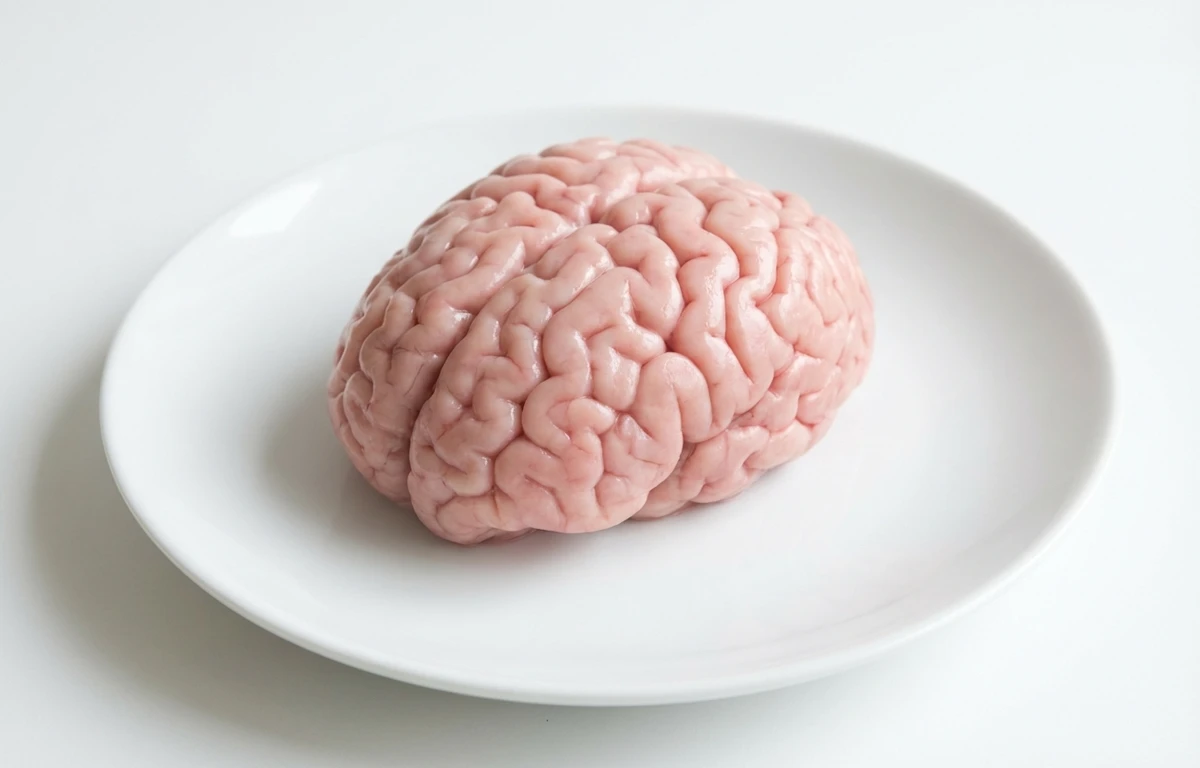
calf brain.
VegetarianVeganGluten-freeDairy-freeNut-freePeanut-freeSoy-freeEgg-freeShellfish-freeHoney-freeAlcohol-free
SERVING
CALORIES
107
PROTEIN
9.8g
CARBS
0g
FAT
7.6g
FIBER
0g
NUTRITION PROFILE · per 100 g
Everything in this ingredient.
MACRONUTRIENTS
Calories107kcal—
Protein9.8g20%
Carbohydrates0g0%
Fiber0g0%
Sugar0g0%
Total fat7.6g10%
Saturated fat2.2g11%
Trans fat0g—
Cholesterol1345mg448%
Water81.2g—
MINERALS
Sodium115mg5%
Potassium306mg7%
Calcium10.5mg1%
Iron1.4mg8%
Magnesium14.3mg3%
Phosphorus296mg24%
Zinc1.1mg10%
Copper0.24mg27%
Manganese0.03mg1%
Selenium15.5µg28%
VITAMINS
Vitamin A1.4µg0%
Vitamin C0mg0%
Vitamin D8.6µg43%
Vitamin E0.10mg1%
Vitamin K3.0µg3%
Thiamin (B1)0.07mg6%
Riboflavin (B2)0.19mg15%
Niacin (B3)3.2mg20%
Pantothenic acid (B5)1.6mg32%
Vitamin B60.30mg18%
Biotin (B7)1.5µg5%
Folate (B9)0µg0%
%DV based on a 2,000 cal diet. Source: USDA FoodData Central. A dash in the %DV column means there’s no established Daily Value for that nutrient.
MEASUREMENT CONVERSIONS
How much is what.
1 oz28.4g
1 lb453.6g
1 piece300g
HEALTH BENEFITS
Why eat it.
- ✓Extremely rich in omega-3 fatty acids, particularly DHA, which is vital for brain health and cognitive function.
- ✓Excellent source of vitamin B12, essential for nerve function, DNA synthesis, and red blood cell formation.
- ✓Provides high levels of phosphorus and potassium, minerals important for bone health, energy metabolism, and fluid balance.
- ✓Contains unique brain-specific nutrients like phosphatidylcholine and phosphatidylserine, which support cell membrane integrity.
COOKING TIPS
In the kitchen.
- 1Before cooking, soak the brain in cold, salted water for 1-2 hours, changing the water periodically, to purge any blood.
- 2Gently poach in a seasoned liquid (like a court bouillon) until firm before using in other preparations like frying or scrambling. This sets the delicate texture.
- 3The texture is very soft and creamy, similar to custard. It is often breaded and pan-fried, scrambled with eggs, or used in sauces.
- 4Pair with acidic ingredients like lemon juice, capers, or vinegar to cut through its rich flavor.
STORAGE
Keep it fresh.
- Highly perishable; store in the coldest part of the refrigerator (below 40°F or 4°C) and cook within 24 hours of purchase.
- For longer storage, freeze immediately. Wrap tightly in plastic wrap and place in a freezer-safe bag for up to 3 months. Thaw overnight in the refrigerator.
FAQ
Frequently asked questions.
Is calf brain healthy?
Yes, calf brain is highly nutritious, offering 107 calories and nearly 10g of protein per 100g. It is exceptionally rich in omega-3 fatty acids (DHA) and Vitamin B12, which are vital for cognitive function, nerve health, and red blood cell formation.
Is calf brain high in cholesterol?
Yes, calf brain is one of the highest-cholesterol foods available, containing significantly more than muscle meats. While it provides essential nutrients like phosphatidylserine, individuals with heart health concerns or high cholesterol should consume it in moderation.
Is calf brain keto-friendly?
Calf brain is excellent for keto and low-carb diets because it contains 0g of carbohydrates. Its combination of 7.6g of healthy fats and moderate protein per 100g makes it a nutrient-dense option for those in ketosis.
What does calf brain taste like?
Calf brain has a very mild, delicate, and slightly nutty flavor. Its texture is its most defining characteristic, being creamy and custard-like, similar to a firm mousse or soft tofu once cooked.
How do you prepare calf brain for cooking?
Preparation usually involves soaking the brain in cold salted water or milk for an hour to remove excess blood. Afterward, the thin outer membrane and any visible blood vessels should be gently peeled away before poaching, breading, or pan-frying.
How do you store calf brain and how long does it last?
Calf brain is highly perishable and should be kept in the coldest part of the refrigerator for no more than 1 to 2 days. It can be frozen for up to 3 months, though the delicate texture may become slightly softer after thawing.
Are there safety risks associated with eating calf brain?
The primary concern is Bovine Spongiform Encephalopathy (BSE). To minimize risk, most regions have strict regulations requiring that brains only be harvested from young calves from certified BSE-free herds.
What are the specific brain-health benefits of calf brain?
It contains unique brain-specific nutrients like phosphatidylcholine and phosphatidylserine, which support cell membrane integrity. These, along with high levels of DHA, make it a powerful food for supporting human neurological health.
Is calf brain halal or kosher?
Calf brain is halal if the animal was slaughtered according to Islamic law. It is technically kosher if the animal was slaughtered correctly and the brain is prepared to remove all blood, though it is not a common staple in many kosher diets.
How can you tell if calf brain is fresh?
Fresh calf brain should have a pinkish-white color, be firm to the touch, and have a clean, mild smell. Avoid any that appear grey, feel slimy, or emit a strong, sour, or ammonia-like odor.



















