
Other
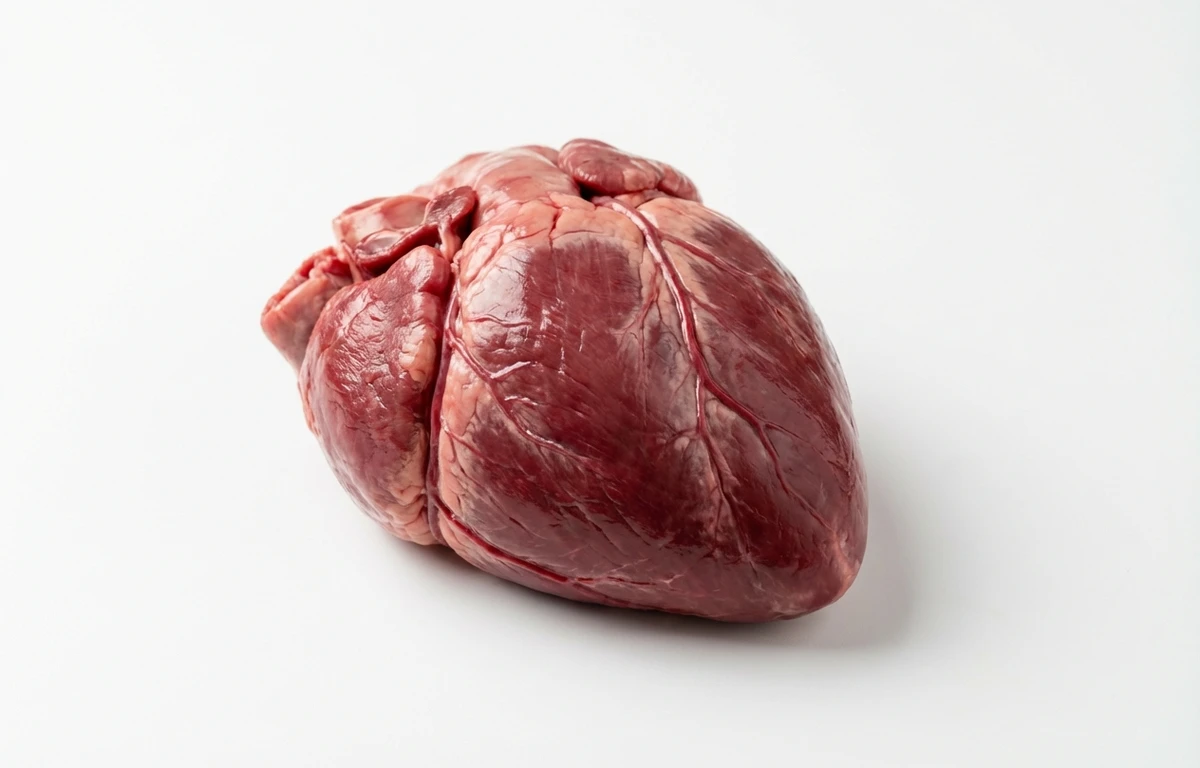
calf heart.
VegetarianVeganGluten-freeDairy-freeNut-freePeanut-freeSoy-freeEgg-freeShellfish-freeHoney-freeAlcohol-free
SERVING
CALORIES
110
PROTEIN
18.8g
CARBS
0g
FAT
3.8g
FIBER
0g
NUTRITION PROFILE · per 100 g
Everything in this ingredient.
MACRONUTRIENTS
Calories110kcal—
Protein18.8g38%
Carbohydrates0g0%
Fiber0g0%
Sugar0g0%
Total fat3.8g5%
Saturated fat1.5g7%
Trans fat0g—
Cholesterol130mg43%
Water73.4g—
MINERALS
Sodium58mg3%
Potassium224mg5%
Calcium6.5mg0%
Iron4.7mg26%
Magnesium18.2mg4%
Phosphorus185mg15%
Zinc1.6mg15%
Copper0.28mg31%
Manganese0.04mg2%
Selenium11.9µg22%
VITAMINS
Vitamin A4.8µg1%
Vitamin C0mg0%
Vitamin D0µg0%
Vitamin E0.10mg1%
Vitamin K1.9µg2%
Thiamin (B1)0.26mg22%
Riboflavin (B2)0.29mg22%
Niacin (B3)5.3mg33%
Pantothenic acid (B5)2.3mg46%
Vitamin B60.41mg24%
Biotin (B7)9.4µg31%
Folate (B9)0µg0%
%DV based on a 2,000 cal diet. Source: USDA FoodData Central. A dash in the %DV column means there’s no established Daily Value for that nutrient.
MEASUREMENT CONVERSIONS
How much is what.
1 oz28.4g
1 lb453.6g
1 piece700g
HEALTH BENEFITS
Why eat it.
- ✓Extremely rich in Coenzyme Q10 (CoQ10), a powerful antioxidant that supports cellular energy production and cardiovascular health.
- ✓Excellent source of high-quality complete protein, essential for building and repairing tissues, including muscle.
- ✓High in B-vitamins, especially Vitamin B12, which is crucial for nerve function and the formation of red blood cells.
- ✓Provides a concentrated source of essential minerals like iron for oxygen transport, zinc for immune function, and selenium for antioxidant defense.
COOKING TIPS
In the kitchen.
- 1Before cooking, trim off any excess fat, silver skin, and tough connective tissues for a more tender texture.
- 2Calf heart can be cooked quickly over high heat (like grilling or pan-searing) to medium-rare to keep it tender, or slow-cooked (braising, stewing) to break it down.
- 3Marinating the heart for a few hours in an acidic liquid like vinegar, wine, or citrus juice can help tenderize the muscle fibers.
- 4Slice the heart thinly against the grain before cooking for stir-fries or skewers to ensure a more tender bite.
STORAGE
Keep it fresh.
- Store fresh calf heart in the coldest part of the refrigerator (at or below 40°F / 4°C) and use within 1-2 days.
- For longer storage, wrap tightly in plastic wrap and then foil or a freezer bag, and freeze at 0°F (-18°C) for up to 3 months for best quality.
FAQ
Frequently asked questions.
Is calf heart healthy?
Yes, calf heart is a highly nutrient-dense organ meat that is leaner than many standard beef cuts. It is exceptionally rich in Coenzyme Q10 (CoQ10) for cardiovascular health, Vitamin B12 for nerve function, and essential minerals like iron and zinc.
How much protein is in calf heart?
A 100g serving of calf heart contains approximately 18.84g of high-quality complete protein. This makes it an excellent source for muscle building and tissue repair while maintaining a relatively low calorie count of about 110 calories.
Is calf heart keto-friendly?
Yes, calf heart is ideal for ketogenic and low-carb diets because it contains 0g of carbohydrates. It provides high-quality protein and essential fats without impacting blood sugar levels.
What does calf heart taste like?
Calf heart has a mild, beefy flavor that is less intense than adult beef heart and lacks the metallic taste often associated with liver. Its texture is dense, lean, and fine-grained, similar to a very lean steak or venison.
How do you cook calf heart?
Calf heart is best prepared by either quick-searing over high heat to medium-rare or by slow-braising in liquid for several hours. Overcooking it with dry heat will cause the meat to become tough and rubbery due to its lean nature.
Do I need to trim calf heart before cooking?
Yes, for the best texture, you should trim away any visible exterior fat, silver skin, and internal connective tissues or valves. Once trimmed, the remaining muscle is very tender and easy to slice into steaks or cubes.
Is calf heart good for weight loss?
Calf heart is an excellent food for weight management as it is high in protein but low in fat and calories. The high protein content helps increase satiety, keeping you full longer while providing essential B-vitamins for energy metabolism.
How long does calf heart last in the fridge?
Fresh calf heart is highly perishable and should be stored in the coldest part of the refrigerator for no more than 1 to 2 days. For longer storage, wrap it tightly in freezer-safe packaging and freeze for up to 3 or 4 months.
Is calf heart high in cholesterol?
Like most organ meats, calf heart contains more dietary cholesterol than standard muscle meats. While it is very healthy for most people, those with specific medical conditions requiring a low-cholesterol diet should consume it in moderation.
Can I eat calf heart raw?
While some cultures use very fresh heart in raw preparations like tartare, it is generally recommended to cook it to an internal temperature of 145°F (63°C) to ensure food safety and eliminate potential pathogens.



















