
Other
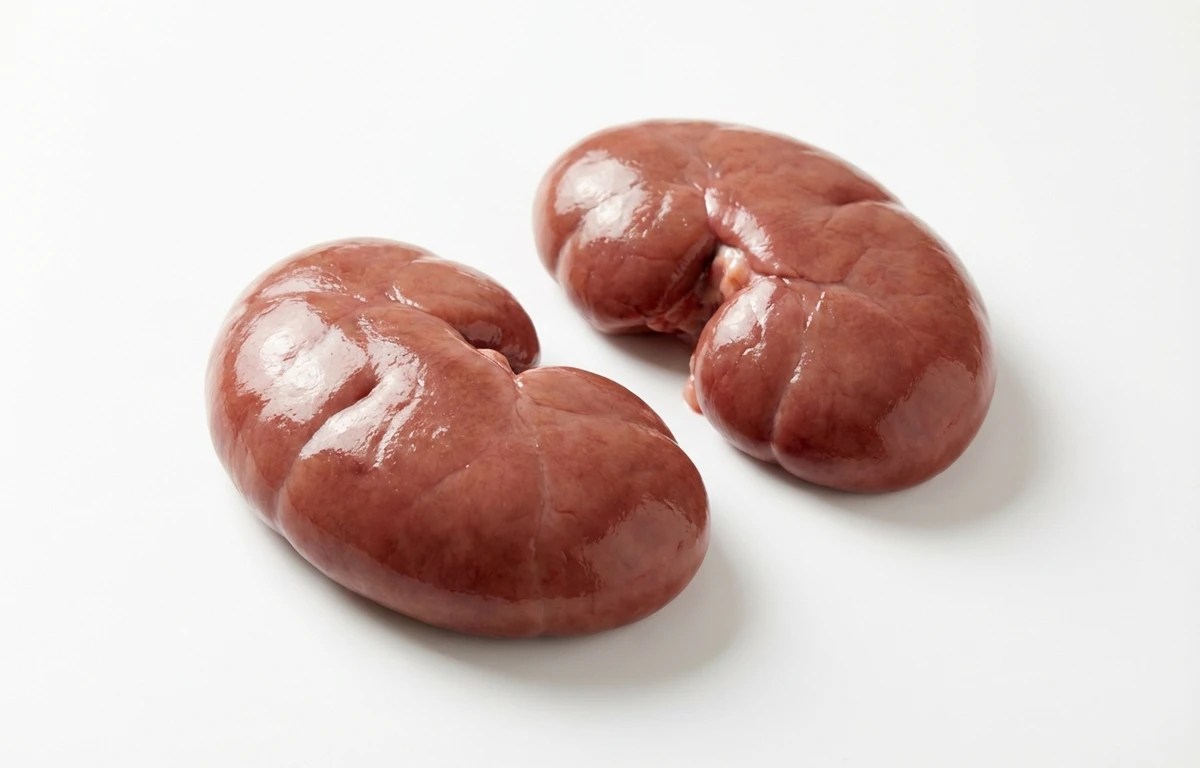
calf kidneys.
VegetarianVeganGluten-freeDairy-freeNut-freePeanut-freeSoy-freeEgg-freeShellfish-freeHoney-freeAlcohol-free
SERVING
CALORIES
93
PROTEIN
15.2g
CARBS
0g
FAT
3.5g
FIBER
0g
NUTRITION PROFILE · per 100 g
Everything in this ingredient.
MACRONUTRIENTS
Calories92.5kcal—
Protein15.2g30%
Carbohydrates0g0%
Fiber0g0%
Sugar0g0%
Total fat3.5g4%
Saturated fat1.5g7%
Trans fat0g—
Cholesterol271mg90%
Water80.2g—
MINERALS
Sodium174mg8%
Potassium206mg4%
Calcium12.6mg1%
Iron4.9mg27%
Magnesium17.4mg4%
Phosphorus204mg16%
Zinc1.6mg14%
Copper0.21mg23%
Manganese0.06mg3%
Selenium91.3µg166%
VITAMINS
Vitamin A95.7µg11%
Vitamin C0mg0%
Vitamin D0µg0%
Vitamin E0.10mg1%
Vitamin K3.1µg3%
Thiamin (B1)0.32mg27%
Riboflavin (B2)0.35mg27%
Niacin (B3)4.2mg26%
Pantothenic acid (B5)2.5mg50%
Vitamin B60.30mg18%
Biotin (B7)33.5µg112%
Folate (B9)0µg0%
%DV based on a 2,000 cal diet. Source: USDA FoodData Central. A dash in the %DV column means there’s no established Daily Value for that nutrient.
MEASUREMENT CONVERSIONS
How much is what.
1 oz28.4g
1 lb453.6g
1 piece200g
HEALTH BENEFITS
Why eat it.
- ✓Extremely rich in Vitamin B12, crucial for red blood cell formation and neurological function.
- ✓Excellent source of high-quality protein, providing all essential amino acids for muscle repair and growth.
- ✓High in heme iron, a form of iron that is easily absorbed by the body, helping to prevent anemia.
- ✓Provides significant amounts of selenium, a powerful antioxidant that protects cells from damage and supports thyroid function.
- ✓A good source of Riboflavin (Vitamin B2), which is essential for energy production and metabolism.
COOKING TIPS
In the kitchen.
- 1Before cooking, slice the kidneys in half and carefully remove the white core and membrane, as this part can be tough and have a strong flavor.
- 2Soak the prepared kidneys in salted water or milk for 30-60 minutes to help mellow their flavor and reduce any strong odors.
- 3Kidneys are best cooked quickly over high heat (sautéing, pan-frying) to remain tender, or slow-cooked in a liquid (braising, stewing) to become soft. Avoid medium-length cooking times which can make them tough.
- 4Pair with robust flavors like mustard, red wine, mushrooms, onions, and herbs like parsley and thyme to complement their rich taste.
STORAGE
Keep it fresh.
- Store fresh calf kidneys in the coldest part of the refrigerator (below 40°F or 4°C) and cook within 1-2 days of purchase.
- For longer storage, wrap kidneys tightly in plastic wrap and then a freezer bag, and freeze at 0°F (-18°C) or below for up to 3 months.
FAQ
Frequently asked questions.
Are calf kidneys healthy?
Yes, calf kidneys are exceptionally nutrient-dense. They are an excellent source of Vitamin B12 for neurological function, heme iron for blood health, and selenium, which acts as a powerful antioxidant to protect cells from damage.
How much protein and calories are in calf kidneys?
A 100g serving of calf kidneys contains approximately 92.5 calories and 15.16g of high-quality protein. They are relatively lean, containing only about 3.5g of fat and zero carbohydrates.
Are calf kidneys high in cholesterol?
Yes, like most organ meats, calf kidneys are high in dietary cholesterol. While they are packed with essential vitamins and minerals, they should be consumed in moderation by individuals who are sensitive to dietary cholesterol.
Are calf kidneys keto-friendly?
Calf kidneys are very keto-friendly as they contain zero carbohydrates. Their high protein content and essential micronutrients make them a popular choice for those following ketogenic or carnivore diets.
Are calf kidneys gluten-free?
In their natural state, calf kidneys are entirely gluten-free. However, they are often prepared in recipes that involve flour dredging or sauces, so ensure those additional ingredients are also gluten-free if necessary.
How do you prepare calf kidneys for cooking?
Before cooking, remove the outer membrane and the white fatty core. It is highly recommended to soak the kidneys in milk, lemon water, or salted water for about 30 to 60 minutes to mellow their strong flavor and remove impurities.
What do calf kidneys taste like?
Calf kidneys have a rich, earthy, and slightly metallic flavor with a firm but tender texture. They are generally considered milder and more delicate in flavor compared to kidneys from older beef cattle.
How long do calf kidneys last in the refrigerator?
Calf kidneys are highly perishable and should be stored in the coldest part of your fridge. For the best quality and safety, they should be cooked or frozen within 1 to 2 days of purchase.
How can I tell if calf kidneys are fresh?
Fresh calf kidneys should have a bright, reddish-brown color and a glossy, moist appearance. Avoid kidneys that look dull, feel slimy, or have a strong, pungent ammonia smell, as these are signs of spoilage.
Can you freeze calf kidneys?
Yes, calf kidneys can be frozen for 3 to 4 months. To maintain quality, wrap them tightly in plastic wrap and place them in a heavy-duty freezer bag to prevent freezer burn.



















