
Other
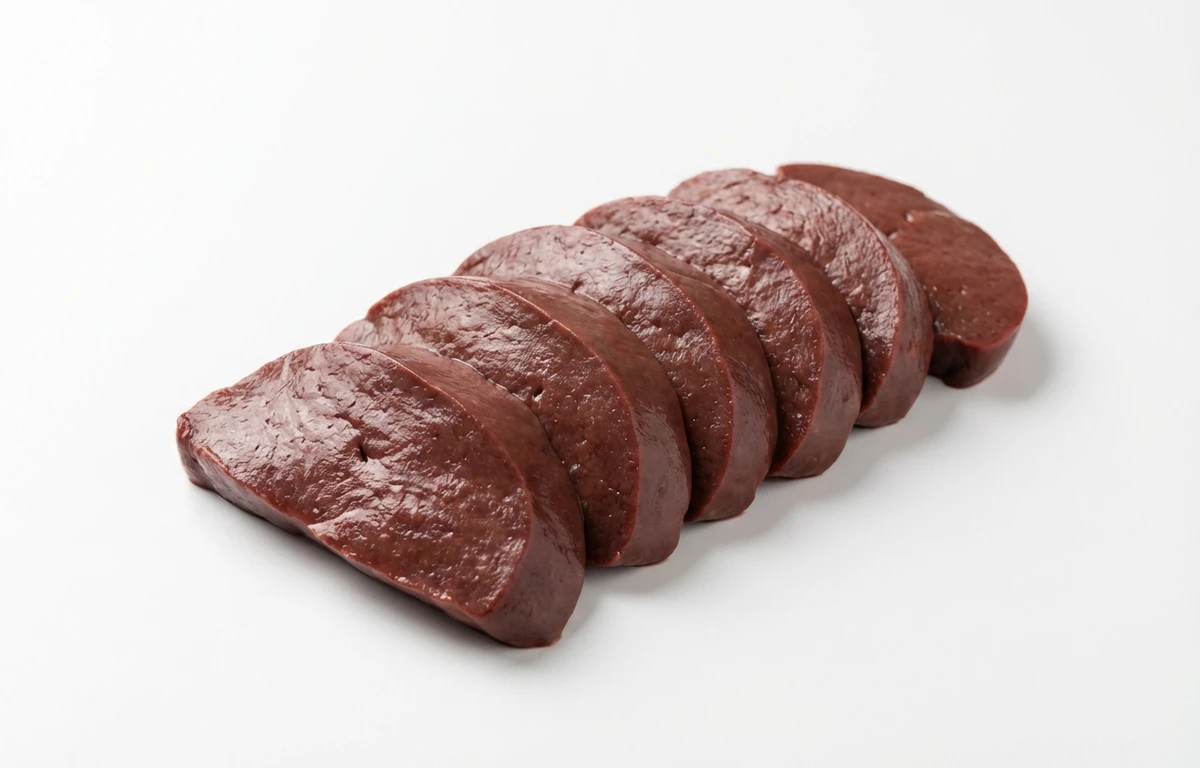
calf liver.
VegetarianVeganGluten-freeDairy-freeNut-freePeanut-freeSoy-freeEgg-freeShellfish-freeHoney-freeAlcohol-free
SERVING
CALORIES
120
PROTEIN
21g
CARBS
0g
FAT
4.0g
FIBER
0g
NUTRITION PROFILE · per 100 g
Everything in this ingredient.
MACRONUTRIENTS
Calories120kcal—
Protein21g42%
Carbohydrates0g0%
Fiber0g0%
Sugar0g0%
Total fat4.0g5%
Saturated fat1.6g8%
Trans fat0g—
Cholesterol306mg102%
Water73.7g—
MINERALS
Sodium55mg2%
Potassium307mg7%
Calcium5.2mg0%
Iron16.3mg90%
Magnesium19.2mg5%
Phosphorus358mg29%
Zinc3.8mg35%
Copper1.0mg116%
Manganese0.19mg8%
Selenium19.9µg36%
VITAMINS
Vitamin A9664µg1074%
Vitamin C0mg0%
Vitamin D0µg0%
Vitamin E0.50mg3%
Vitamin K5.0µg4%
Thiamin (B1)0.17mg14%
Riboflavin (B2)0.31mg24%
Niacin (B3)13mg81%
Pantothenic acid (B5)8.9mg179%
Vitamin B60.59mg35%
Biotin (B7)1473µg4910%
Folate (B9)0µg0%
%DV based on a 2,000 cal diet. Source: USDA FoodData Central. A dash in the %DV column means there’s no established Daily Value for that nutrient.
MEASUREMENT CONVERSIONS
How much is what.
1 cup170g
1 tablespoon11g
1 teaspoon4g
1 oz28.4g
1 lb453.6g
1 piece120g
HEALTH BENEFITS
Why eat it.
- ✓Extremely rich in Vitamin A, crucial for vision, immune function, and cellular growth.
- ✓Excellent source of highly bioavailable heme iron, which helps prevent anemia and supports energy levels.
- ✓Packed with B vitamins, especially Vitamin B12, essential for brain health and red blood cell formation.
- ✓Provides high-quality complete protein containing all essential amino acids for tissue repair and muscle maintenance.
COOKING TIPS
In the kitchen.
- 1To reduce its strong flavor, soak the liver in milk or buttermilk for 30-60 minutes before cooking, then pat dry.
- 2Slice the liver thinly and cook it quickly over medium-high heat. Overcooking will result in a tough, grainy texture.
- 3Pair with complementary flavors like caramelized onions, bacon, or acidic elements like a splash of balsamic vinegar to balance its richness.
- 4Ensure the internal temperature reaches 160°F (71°C) for safety, but aim to remove it from heat just as the center turns from red to light pink.
STORAGE
Keep it fresh.
- Refrigerate fresh calf liver immediately at or below 40°F (4°C) and cook within 1-2 days.
- For longer storage, freeze by wrapping tightly in plastic wrap and foil or placing in a freezer bag. It maintains best quality for up to 4 months.
FAQ
Frequently asked questions.
Is calf liver healthy?
Yes, calf liver is considered a 'superfood' due to its extreme nutrient density. It is an exceptional source of Vitamin A, B12, and heme iron, which support vision, brain function, and energy levels. However, due to its high Vitamin A content, it should be consumed in moderation.
How much protein and calories are in calf liver?
A 100g serving of calf liver contains approximately 120.22 calories and 21.02g of protein. It is a lean source of high-quality complete protein, containing all essential amino acids necessary for muscle repair.
Is calf liver keto-friendly?
Yes, calf liver is excellent for keto and low-carb diets as it contains 0g of carbohydrates per 100g. Its high protein content and nutrient profile make it a popular choice for those following animal-based or ketogenic lifestyles.
What does calf liver taste like?
Calf liver has a much milder, sweeter, and more delicate flavor compared to mature beef liver. While it still has a characteristic earthy and metallic undertone, its texture is significantly more tender and velvety.
How do you cook calf liver so it isn't tough?
The most important rule is to avoid overcooking, which makes the liver grainy and tough. Pan-sear it over medium-high heat for only 2-3 minutes per side, leaving the center slightly pink (medium-rare to medium) for the best texture.
Should I soak calf liver in milk before cooking?
Soaking calf liver in milk for 30 to 60 minutes is a common technique to reduce its strong metallic taste and remove bitterness. The milk also helps to tenderize the meat, resulting in a more pleasant flavor and mouthfeel.
Is calf liver good for treating anemia?
Yes, calf liver is one of the best dietary sources of heme iron, which is highly bioavailable and easily absorbed by the body. It is frequently recommended to help increase red blood cell formation and combat iron-deficiency anemia.
Can you eat calf liver every day?
It is generally recommended to limit liver consumption to once or twice a week. Because it is so concentrated in Vitamin A and copper, eating it daily could potentially lead to vitamin toxicity (hypervitaminosis A) over time.
How long does fresh calf liver last in the fridge?
Fresh calf liver is highly perishable and should be stored in the coldest part of the refrigerator for no more than 1 to 2 days. If you don't plan to cook it immediately, it can be frozen for up to 4 months.
Is calf liver gluten-free?
In its natural state, calf liver is 100% gluten-free. However, many traditional recipes involve dredging the liver in wheat flour before frying, so you should substitute with a gluten-free flour or skip the coating if you have a gluten intolerance.



















