
Other
calf's foot.
VegetarianVeganGluten-freeDairy-freeNut-freePeanut-freeSoy-freeEgg-freeShellfish-freeHoney-freeAlcohol-free
ALSO KNOWN AS
cow foot
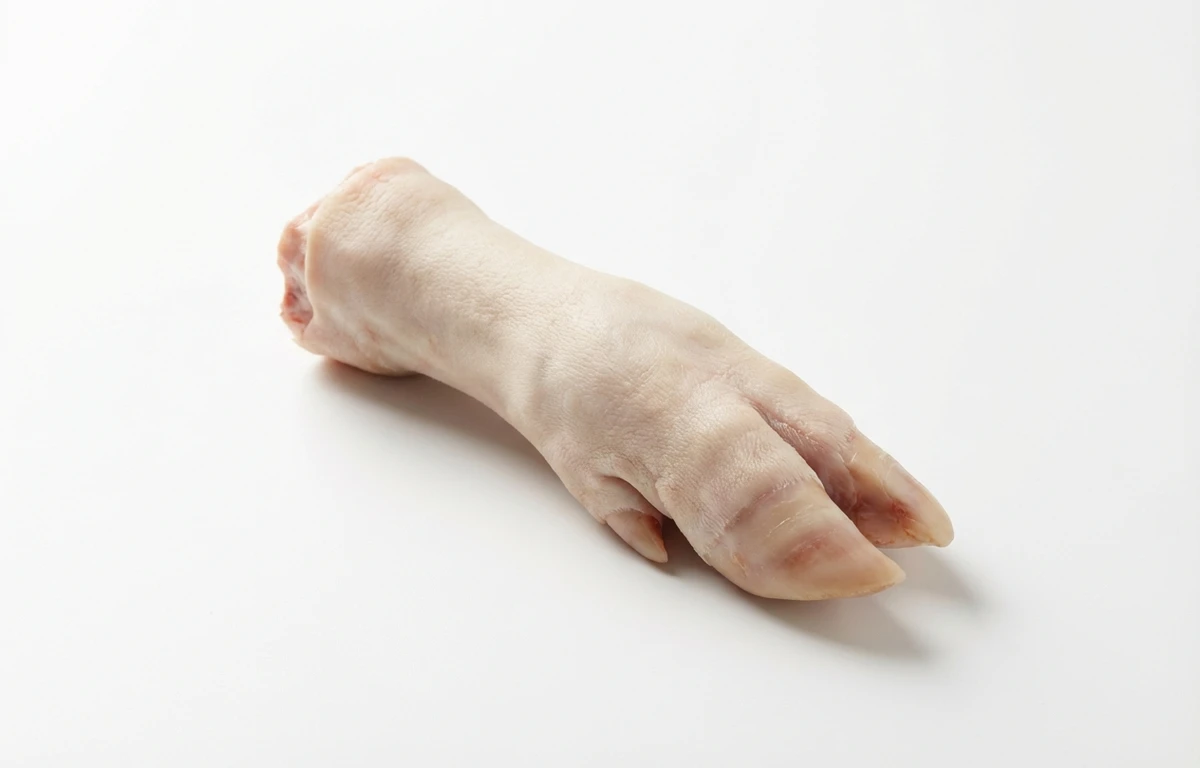
SERVING
CALORIES
147
PROTEIN
19.4g
CARBS
0g
FAT
7.6g
FIBER
0g
NUTRITION PROFILE · per 100 g
Everything in this ingredient.
MACRONUTRIENTS
Calories147kcal—
Protein19.4g39%
Carbohydrates0g0%
Fiber0g0%
Sugar0g0%
Total fat7.6g10%
Saturated fat2.5g13%
Cholesterol100mg33%
MINERALS
Sodium100mg4%
Potassium100mg2%
Calcium10mg1%
Iron1.2mg7%
Magnesium10mg2%
Phosphorus110mg9%
Zinc1.2mg11%
Copper0.06mg7%
Manganese0.01mg0%
Selenium10.1µg18%
VITAMINS
Vitamin A0µg0%
Vitamin C0mg0%
Vitamin D0µg0%
Vitamin E0.10mg1%
Vitamin K0.10µg0%
Thiamin (B1)0.02mg2%
Riboflavin (B2)0.08mg6%
Niacin (B3)1.5mg9%
Pantothenic acid (B5)0.20mg4%
Vitamin B60.03mg2%
Folate (B9)3.0µg1%
Vitamin B120.50µg21%
%DV based on a 2,000 cal diet. Source: USDA FoodData Central. A dash in the %DV column means there’s no established Daily Value for that nutrient.
MEASUREMENT CONVERSIONS
How much is what.
1 piece600g
HEALTH BENEFITS
Why eat it.
- ✓Extremely rich in collagen and gelatin, which support joint health, skin elasticity, and may improve gut lining integrity.
- ✓Good source of glycine, an amino acid that plays a role in muscle repair, neurotransmitter function, and promoting restful sleep.
- ✓Provides essential minerals like calcium, phosphorus, and magnesium, which are crucial for bone density and health.
- ✓The gelatin produced can aid digestion by binding with water to help food move more easily through the digestive tract.
COOKING TIPS
In the kitchen.
- 1Requires a long, slow cooking process like simmering or braising for at least 3-4 hours to break down tough connective tissue and render the gelatin.
- 2Blanch the foot in boiling water for 5-10 minutes and then rinse with cold water before starting your main recipe to ensure it is clean and to remove any impurities.
- 3Ideal for making rich, gelatinous broths and stocks that will set into a firm jelly when chilled. This is the base for classic dishes like jellied eels or aspic.
- 4Season the cooking liquid generously with aromatics such as onions, carrots, celery, bay leaves, and peppercorns to infuse the meat and broth with flavor.
STORAGE
Keep it fresh.
- Store raw calf's foot in the coldest part of the refrigerator (at or below 40°F / 4°C) and cook within 1-2 days of purchase.
- For long-term storage, wrap tightly in plastic wrap and foil or a freezer bag and freeze for up to 3-4 months.
FAQ
Frequently asked questions.
Is calf's foot healthy?
Yes, calf's foot is highly nutritious, particularly for its high collagen and gelatin content. These components support joint health, skin elasticity, and gut integrity, while providing essential minerals like calcium and magnesium.
How much protein and calories are in calf's foot?
A 100g serving of calf's foot contains approximately 147 calories and 19.4g of protein. It is a high-protein food with 0g of carbohydrates and about 7.6g of fat, making it a lean choice for muscle repair.
Is calf's foot keto-friendly?
Yes, calf's foot is excellent for the keto diet as it contains zero carbohydrates. Its high protein content and healthy fats fit well within low-carb and ketogenic nutritional frameworks.
What are the health benefits of the gelatin in calf's foot?
The gelatin produced from cooking calf's foot aids digestion by binding with water to help food move through the digestive tract. It also contains glycine, an amino acid that supports neurotransmitter function and promotes restful sleep.
How do you cook calf's foot?
Calf's foot is best prepared through slow cooking, such as simmering in soups, stews, or stocks for several hours. This long process is necessary to break down the tough connective tissue into a rich, nutritious gelatin.
What does calf's foot taste like?
Calf's foot has a very mild, subtle beef flavor. Its primary contribution to dishes is its unique gelatinous texture and the deep richness it adds to liquids rather than a strong meaty taste.
Is calf's foot gluten-free?
Yes, calf's foot is naturally gluten-free as it is a pure animal product. It is a safe protein source for individuals with celiac disease or gluten sensitivities, provided it is not prepared with flour-based thickeners.
How do you store calf's foot and how long does it last?
Fresh calf's foot should be stored in the coldest part of the refrigerator and used within 1-2 days. For long-term storage, it can be frozen for up to 9 months if wrapped tightly in airtight packaging.
Do I need to clean calf's foot before cooking?
Yes, you should thoroughly scrub and rinse calf's foot under cold water before use. Many recipes also recommend blanching the feet in boiling water for 5-10 minutes and then rinsing again to ensure a clear and clean-tasting stock.
Can calf's foot help with joint health?
Yes, calf's foot is one of the best natural sources of collagen. Regular consumption can provide the amino acids necessary to maintain cartilage, reduce joint pain, and improve overall bone density.



















