
Dairy1 recipes
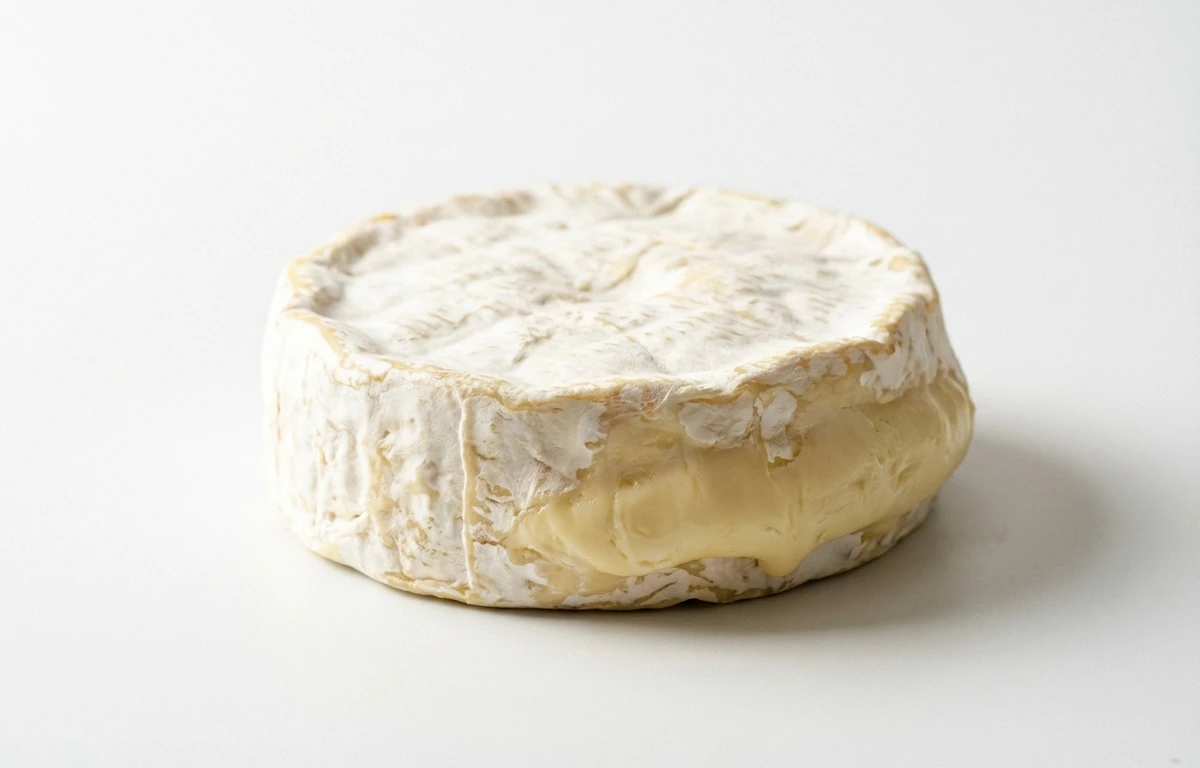
camembert cheese.
VegetarianVeganGluten-freeDairy-freeNut-freePeanut-freeSoy-freeEgg-freeShellfish-freeHoney-freeAlcohol-freeFermented
SERVING
CALORIES
300
PROTEIN
19.8g
CARBS
0.46g
FAT
24.3g
FIBER
0g
NUTRITION PROFILE · per 100 g
Everything in this ingredient.
MACRONUTRIENTS
Calories300kcal—
Protein19.8g40%
Carbohydrates0.46g0%
Fiber0g0%
Sugar0.46g1%
Total fat24.3g31%
Saturated fat15.3g76%
Trans fat0g—
Cholesterol72mg24%
Water51.8g—
MINERALS
Sodium842mg37%
Potassium187mg4%
Calcium388mg30%
Iron0.33mg2%
Magnesium20mg5%
Phosphorus347mg28%
Zinc2.4mg22%
Copper0.02mg2%
Manganese0.01mg0%
Selenium14.5µg26%
VITAMINS
Vitamin A241µg27%
Vitamin C0mg0%
Vitamin D0.40µg2%
Vitamin E0.21mg1%
Vitamin K2.3µg2%
Thiamin (B1)0.03mg3%
Riboflavin (B2)0.49mg38%
Niacin (B3)0.63mg4%
Pantothenic acid (B5)0.69mg14%
Vitamin B60.23mg14%
Folate (B9)62µg16%
Vitamin B121.3µg54%
%DV based on a 2,000 cal diet. Source: USDA FoodData Central. A dash in the %DV column means there’s no established Daily Value for that nutrient.
MEASUREMENT CONVERSIONS
How much is what.
1 cup130g
1 oz28.4g
1 lb453.6g
1 piece250g
HEALTH BENEFITS
Why eat it.
- ✓Excellent source of high-quality protein for muscle maintenance
- ✓Rich in calcium and phosphorus for bone health
- ✓Provides Vitamin B12 essential for nerve function
- ✓Contains Vitamin A for eye health and immune support
- ✓Fermentation process provides beneficial bioactive peptides
COOKING TIPS
In the kitchen.
- 1Bring to room temperature for 30-60 minutes before serving to enhance flavor and texture
- 2The white bloomy rind is completely edible and provides a distinct earthy flavor
- 3Excellent for baking whole with garlic and herbs for a warm dip
STORAGE
Keep it fresh.
- Store in original wax paper or breathable cheese wrap to prevent drying
- Keep in the vegetable crisper drawer of the refrigerator where humidity is higher
- Avoid airtight plastic wrap which can cause the cheese to sweat and develop off-flavors
FAQ
Frequently asked questions.
How long does Camembert last in the fridge?
Unopened, it can last until its best-before date. Once cut, it is best consumed within 1 to 2 weeks.
Can you freeze Camembert cheese?
Yes, but the texture will become crumbly and lose its creaminess. It is better used for cooking after freezing rather than on a cheese board.
How can I tell if Camembert has gone bad?
Look for dark mold (other than the white rind), a strong ammonia smell that doesn't dissipate, or a slimy texture.
What is the best substitute for Camembert?
Brie is the closest substitute, though it is milder and creamier. Coulommiers is another excellent alternative.
Is the white rind on Camembert edible?
Yes, the rind is a mold called Penicillium camemberti and is an essential part of the cheese's flavor profile.
Why does my Camembert smell like ammonia?
A slight ammonia smell is normal for ripe Camembert. If it is very strong and persists after the cheese has sat out for a few minutes, it may be overripe.
How do I choose a good Camembert?
Look for a wheel that feels plump and has a slight give when pressed in the center. Avoid wheels with cracked or wet-looking rinds.
What foods pair best with Camembert?
It pairs beautifully with crusty bread, crackers, apples, pears, walnuts, and light red wines or cider.



















