
Food Additive
Campden Tablet.
VegetarianVeganGluten-freeDairy-freeNut-freePeanut-freeSoy-freeEgg-freeShellfish-freeHoney-freeAlcohol-free
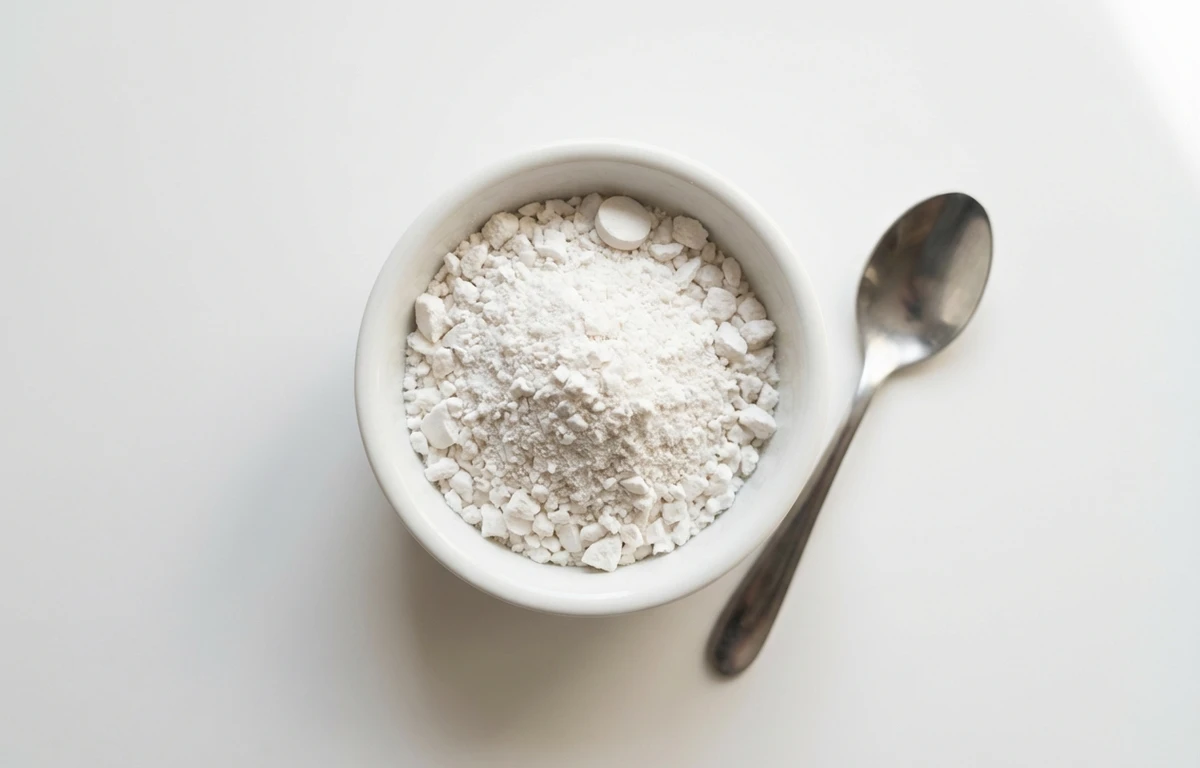
SERVING
CALORIES
0
PROTEIN
0g
CARBS
0g
FAT
0g
FIBER
0g
MEASUREMENT CONVERSIONS
How much is what.
1 oz3.5g
1 lb0.2g
1 piece227g
COOKING TIPS
In the kitchen.
- 1Not for direct consumption or cooking; primarily used in brewing and winemaking.
- 2Use to sanitize equipment by dissolving in water (e.g., 1 tablet per gallon of water).
- 3Add to must or wort to inhibit wild yeasts and bacteria, and to prevent oxidation.
STORAGE
Keep it fresh.
- Store in a cool, dry place away from direct sunlight.
- Keep the container tightly sealed to prevent moisture absorption and loss of potency.
- Store away from children and pets.
FAQ
Frequently asked questions.
What are Campden tablets used for?
Campden tablets are primarily used in homebrewing and winemaking to kill wild yeast and bacteria in fruit must before fermentation. They are also used to remove chlorine and chloramine from brewing water and to prevent oxidation in finished wine.
Are Campden tablets safe to consume?
When used in the small, recommended dosages for brewing, they are generally safe for most people. However, they release sulfur dioxide, which can cause severe respiratory or allergic reactions in individuals with sulfite sensitivities or asthma.
Do Campden tablets have any nutritional value?
No, Campden tablets have zero calories, protein, carbohydrates, or fats. They are a chemical processing aid composed of sodium or potassium metabisulfite and do not contribute to the nutritional profile of a beverage.
Are Campden tablets vegan and gluten-free?
Yes, Campden tablets are both vegan and gluten-free. They are made from inorganic mineral salts and do not contain any animal-derived ingredients or grain proteins.
How do I use Campden tablets to treat brewing water?
To remove chlorine or chloramine, crush one tablet and stir it into up to 20 gallons (75 liters) of water. The chemical reaction happens almost instantly, making the water safe for brewing immediately after mixing.
How long should I wait after adding a Campden tablet before pitching yeast?
You must wait at least 24 hours after adding the crushed tablet to your fruit juice or must before adding yeast. This delay allows the sulfur dioxide gas to dissipate so it does not kill the yeast you intend to use for fermentation.
What is the difference between sodium and potassium Campden tablets?
Sodium metabisulfite tablets are often used for sanitizing equipment, while potassium metabisulfite tablets are preferred for adding to wine. Potassium versions are generally favored by winemakers because they avoid adding extra sodium to the finished product.
Can I use Campden tablets to sanitize my brewing equipment?
Yes, a strong solution can be made by dissolving about 16 crushed tablets in a gallon of water to sanitize equipment. However, this produces strong sulfur fumes, so it should only be done in a well-ventilated area.
How should Campden tablets be stored?
Store them in a cool, dry place in an airtight container. They are sensitive to moisture and air; if exposed, they will lose their potency and the active sulfur dioxide will dissipate over time.
How can I tell if my Campden tablets are still effective?
Fresh tablets should be hard, bright white, and emit a very strong, pungent sulfur smell (similar to a struck match) when crushed. If they are soft, crumbly, or have no noticeable odor, they have likely expired and should be replaced.



















