vegetable
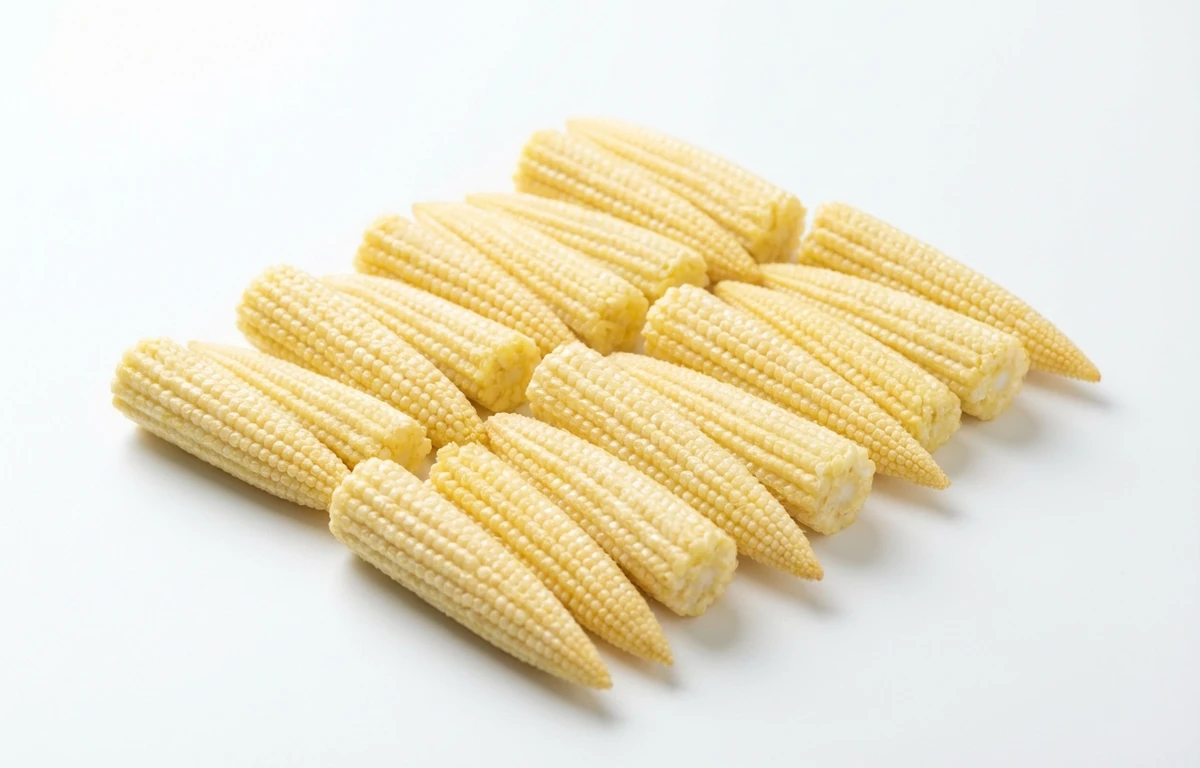
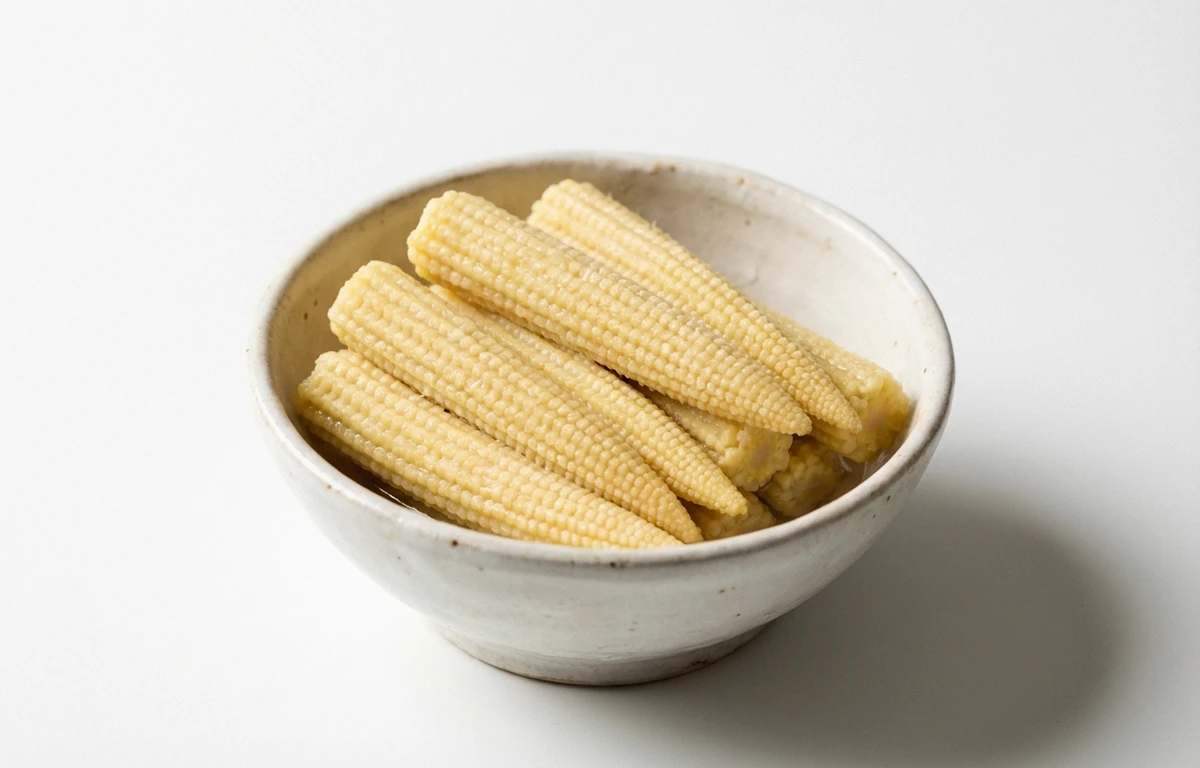
Canned Baby Corn.
VegetarianVeganGluten-freeDairy-freeNut-freePeanut-freeSoy-freeEgg-freeShellfish-freeHoney-freeAlcohol-free
ALSO KNOWN AS
canned young corncanned candle corntin baby cornpreserved baby corn
SERVING
CALORIES
26
PROTEIN
2.1g
CARBS
5.2g
FAT
0.20g
FIBER
2.0g
NUTRITION PROFILE · per 100 g
Everything in this ingredient.
MACRONUTRIENTS
Calories26kcal—
Protein2.1g4%
Carbohydrates5.2g2%
Fiber2.0g7%
Sugar1.5g3%
Total fat0.20g0%
Saturated fat0.04g0%
Trans fat0g—
Cholesterol0mg0%
Water91g—
MINERALS
Sodium320mg14%
Potassium180mg4%
Calcium15mg1%
Iron0.50mg3%
Magnesium12mg3%
Phosphorus35mg3%
Zinc0.40mg4%
Copper0.05mg6%
Manganese0.10mg4%
Selenium0.50µg1%
VITAMINS
Vitamin A0µg0%
Vitamin C2.5mg3%
Vitamin D0µg0%
Vitamin E0.10mg1%
Vitamin K0.30µg0%
Thiamin (B1)0.03mg3%
Riboflavin (B2)0.04mg3%
Niacin (B3)0.60mg4%
Pantothenic acid (B5)0.20mg4%
Vitamin B60.05mg3%
Folate (B9)18µg5%
Vitamin B120µg0%
%DV based on a 2,000 cal diet. Source: USDA FoodData Central. A dash in the %DV column means there’s no established Daily Value for that nutrient.
MEASUREMENT CONVERSIONS
How much is what.
1 cup150g
1 tablespoon9g
1 teaspoon3g
1 oz28.4g
1 lb453.6g
1 piece12g
HEALTH BENEFITS
Why eat it.
- ✓Low in calories and fat, making it ideal for weight management
- ✓Good source of dietary fiber which aids in digestion
- ✓Contains folate which is essential for cell growth and metabolism
- ✓Low glycemic index food suitable for blood sugar management
- ✓Provides essential minerals like manganese and phosphorus
COOKING TIPS
In the kitchen.
- 1Rinse thoroughly under cold water before use to remove excess sodium from the brine
- 2Add to stir-fries at the very end to maintain their signature crunch
- 3Pat dry before roasting or sautéing to ensure they brown rather than steam
STORAGE
Keep it fresh.
- Store unopened cans in a cool, dry place for up to 2 years
- Once opened, transfer corn and brine to an airtight glass or plastic container
- Refrigerate opened baby corn and consume within 2 to 3 days
FAQ
Frequently asked questions.
How long does canned baby corn last after opening?
Once the can is opened, baby corn should be transferred to a sealed container with its liquid and refrigerated. It will stay fresh for about 2 to 3 days.
Do I need to cook canned baby corn?
No, canned baby corn is already cooked during the canning process. You can eat it straight from the can (after rinsing) or heat it briefly in dishes.
What is a good substitute for canned baby corn?
Fresh baby corn is the best substitute. If unavailable, water chestnuts or bamboo shoots provide a similar crunchy texture in stir-fries.
Is canned baby corn healthy?
Yes, it is low in calories and high in fiber. However, it is often high in sodium due to the canning brine, so rinsing it before consumption is recommended.
Can I freeze canned baby corn?
You can freeze it, but the texture will become much softer and lose its crunch once thawed. It is best used in soups or stews after freezing.
How do I pick the best canned baby corn?
Look for cans that are not dented or swollen. Check the label to ensure the corn is packed in water and salt rather than heavy syrups or additives.
Why is baby corn so small?
Baby corn is simply regular corn that is harvested very early, before the ears have matured and the silk has been fertilized.
Is canned baby corn gluten-free?
Naturally, yes. However, always check the label for any additives or cross-contamination warnings if you have a severe gluten allergy.
What are common dishes using canned baby corn?
It is a staple in Asian stir-fries, Thai curries, vegetable salads, and Indo-Chinese dishes like Manchurian or Jalfrezi.