
Vegetable
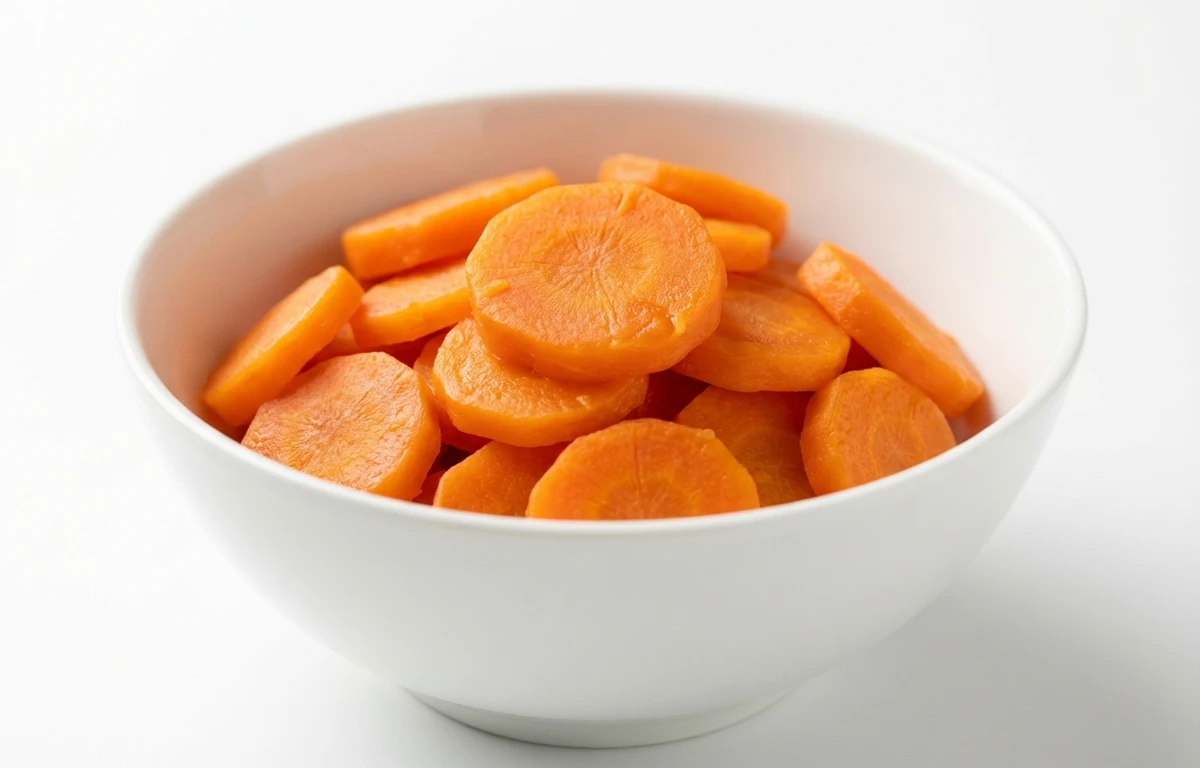
canned carrot.
VegetarianVeganGluten-freeDairy-freeNut-freePeanut-freeSoy-freeEgg-freeShellfish-freeHoney-freeAlcohol-free
SERVING
CALORIES
25
PROTEIN
0.64g
CARBS
5.5g
FAT
0.19g
FIBER
1.5g
NUTRITION PROFILE · per 100 g
Everything in this ingredient.
MACRONUTRIENTS
Calories25kcal—
Protein0.64g1%
Carbohydrates5.5g2%
Fiber1.5g5%
Sugar2.5g5%
Total fat0.19g0%
Saturated fat0.04g0%
Trans fat0g—
Cholesterol0mg0%
Water93g—
MINERALS
Sodium242mg11%
Potassium179mg4%
Calcium25mg2%
Iron0.64mg4%
Magnesium8.0mg2%
Phosphorus24mg2%
Zinc0.26mg2%
Copper0.10mg11%
Manganese0.45mg20%
Selenium0.40µg1%
VITAMINS
Vitamin A558µg62%
Vitamin C2.7mg3%
Vitamin D0µg0%
Vitamin E0.74mg5%
Vitamin K9.8µg8%
Thiamin (B1)0.02mg2%
Riboflavin (B2)0.03mg2%
Niacin (B3)0.55mg3%
Pantothenic acid (B5)0.14mg3%
Vitamin B60.11mg6%
Folate (B9)9.0µg2%
Vitamin B120µg0%
%DV based on a 2,000 cal diet. Source: USDA FoodData Central. A dash in the %DV column means there’s no established Daily Value for that nutrient.
MEASUREMENT CONVERSIONS
How much is what.
1 cup146g
1 tablespoon9.1g
1 teaspoon3g
1 ml0.6g
1 liter608.3g
HEALTH BENEFITS
Why eat it.
- ✓Excellent source of beta-carotene, which the body converts to Vitamin A, crucial for vision health and immune function.
- ✓Provides dietary fiber, which supports digestive health and helps maintain stable blood sugar levels.
- ✓Contains antioxidants like carotenoids that help protect cells from damage caused by free radicals.
- ✓A convenient and long-lasting source of essential nutrients, making it easy to add vegetables to meals.
COOKING TIPS
In the kitchen.
- 1Rinse canned carrots under cold water before use to reduce the sodium content by up to 40%.
- 2Since they are pre-cooked, add them near the end of the cooking process in soups, stews, or casseroles to prevent them from becoming overly soft.
- 3Easily puree them for a quick and nutritious base for soups, sauces, or homemade baby food.
- 4For enhanced flavor, drain and sauté them with butter or olive oil, garlic, and fresh herbs like thyme or parsley.
STORAGE
Keep it fresh.
- Store unopened cans in a cool, dark, and dry place, such as a pantry, for up to 2-5 years.
- Once opened, transfer leftover carrots and liquid to an airtight glass or plastic container and refrigerate for up to 4 days.
FAQ
Frequently asked questions.
Are canned carrots healthy?
Yes, canned carrots are highly nutritious and an excellent source of beta-carotene, which the body converts into Vitamin A for vision and immune health. They also provide dietary fiber and antioxidants while remaining very low in calories and fat.
How many calories and carbs are in canned carrots?
Per 100g serving, canned carrots contain approximately 25 calories and 5.54g of carbohydrates. They also provide about 0.64g of protein and a negligible 0.19g of fat, making them a light addition to any meal.
Are canned carrots as nutritious as fresh carrots?
While some Vitamin C may be lost during the canning process, the heat used in canning actually makes the beta-carotene in carrots more bioavailable and easier for your body to absorb. They remain a convenient and effective way to reach your daily vegetable intake.
Are canned carrots keto-friendly?
Canned carrots can be included in a keto diet in moderation, as they contain about 5.5g of carbs per 100g. However, because they have a higher sugar content than leafy greens, you should monitor your portion sizes to stay within your daily carb limit.
Are canned carrots vegan and gluten-free?
Plain canned carrots are naturally both vegan and gluten-free. If you are buying carrots canned in a sauce or glaze, check the ingredient label for added thickeners, butter, or honey that might contain gluten or animal products.
Do I need to cook canned carrots?
No, canned carrots are fully pre-cooked during the canning process and are safe to eat straight from the can. You can serve them cold in salads, or quickly heat them in a pan or microwave if you prefer them warm.
How can I improve the flavor of canned carrots?
To enhance their taste, drain and rinse them first, then sauté them with butter or olive oil, garlic, and fresh herbs like parsley or dill. You can also add a touch of honey or brown sugar for a classic glazed carrot side dish.
How long do canned carrots last once opened?
Once the can is opened, you should transfer the carrots to an airtight container and store them in the refrigerator. They will typically stay fresh and safe to eat for 3 to 4 days.
How do I know if canned carrots have gone bad?
Before opening, check for cans that are bulging, leaking, or severely dented. After opening, discard the carrots if they have a sour or unpleasant odor, visible mold, or if the texture has become excessively mushy or slimy.
Should I rinse canned carrots before using them?
Rinsing canned carrots is recommended if you want to reduce the sodium content, as many brands use salt in the canning liquid. Rinsing also helps remove any 'tinny' metallic taste that may have transferred from the can.



















