
Meat
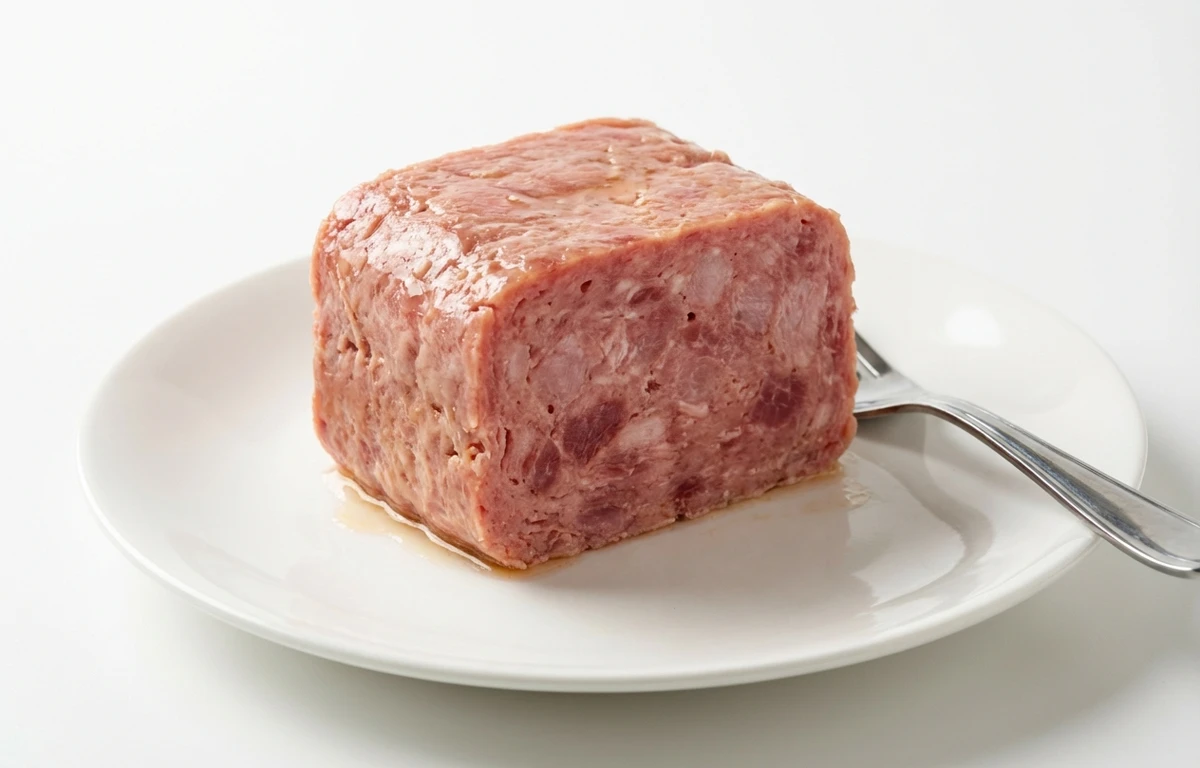
canned chopped ham.
VegetarianVeganGluten-freeDairy-freeNut-freePeanut-freeEgg-freeShellfish-freeHoney-freeAlcohol-freeHalalKosher
ALSO KNOWN AS
chopped ham
SERVING
CALORIES
239
PROTEIN
16.1g
CARBS
0.26g
FAT
18.8g
FIBER
0g
NUTRITION PROFILE · per 100 g
Everything in this ingredient.
MACRONUTRIENTS
Calories239kcal—
Protein16.1g32%
Carbohydrates0.26g0%
Fiber0g0%
Sugar0g0%
Total fat18.8g24%
Saturated fat6.3g31%
Cholesterol49mg16%
Water60.8g—
MINERALS
Sodium1280mg56%
Potassium284mg6%
Calcium7.0mg1%
Iron0.95mg5%
Magnesium13mg3%
Phosphorus139mg11%
Zinc1.8mg17%
Copper0.05mg6%
Manganese0.03mg1%
Selenium18.6µg34%
VITAMINS
Vitamin A0µg0%
Vitamin C2.0mg2%
Vitamin D0.60µg3%
Vitamin E0.25mg2%
Vitamin K0µg0%
Thiamin (B1)0.54mg45%
Riboflavin (B2)0.17mg13%
Niacin (B3)3.2mg20%
Pantothenic acid (B5)0.28mg6%
Vitamin B60.32mg19%
Folate (B9)1.0µg0%
Vitamin B120.70µg29%
%DV based on a 2,000 cal diet. Source: USDA FoodData Central. A dash in the %DV column means there’s no established Daily Value for that nutrient.
HEALTH BENEFITS
Why eat it.
- ✓A convenient source of complete protein, essential for muscle maintenance and repair.
- ✓Rich in selenium, a mineral that acts as an antioxidant and supports thyroid function.
- ✓Provides B vitamins, including thiamine (B1) and niacin (B3), which are crucial for energy metabolism.
- ✓Contains phosphorus, which is important for bone and tooth health.
COOKING TIPS
In the kitchen.
- 1Rinse the ham under cold water after removing it from the can to reduce some of the excess salt from the brine.
- 2Dice and pan-fry the ham until slightly crispy to add a savory, salty flavor to scrambled eggs, fried rice, or pasta dishes.
- 3Mash with mayonnaise, mustard, and relish to create a classic ham salad for sandwiches or crackers.
- 4Incorporate directly into casseroles, soups, or bean dishes for a quick and easy protein addition.
STORAGE
Keep it fresh.
- Store unopened cans in a cool, dark, and dry place like a pantry for up to 2-5 years, always checking the 'best by' date.
- After opening, transfer any unused ham to an airtight container, refrigerate promptly, and consume within 3 to 4 days.
FAQ
Frequently asked questions.
Is canned chopped ham healthy?
Canned chopped ham is a convenient source of complete protein and essential minerals like selenium and phosphorus. However, it is relatively high in fat (18.83g per 100g) and sodium, so it is best enjoyed in moderation as part of a balanced diet.
How much protein is in canned chopped ham?
There are approximately 16.06g of protein per 100g of canned chopped ham. This makes it an effective option for muscle maintenance and repair, especially when fresh meat is not available.
Is canned chopped ham keto-friendly?
Yes, canned chopped ham is very keto-friendly. With only 0.26g of carbohydrates and 18.83g of fat per 100g, it fits perfectly into a high-fat, low-carb ketogenic lifestyle.
Do I need to cook canned chopped ham before eating it?
No, canned chopped ham is fully pre-cooked during the canning process and is safe to eat straight from the tin. However, many people prefer to pan-fry or grill it to give it a crispy texture and enhance the flavor.
Is canned chopped ham gluten-free?
While ham itself is gluten-free, some canned varieties may contain additives, thickeners, or flavorings derived from wheat. Always check the label for gluten-free certification or hidden wheat-based ingredients.
How should I store canned chopped ham after opening?
Once opened, remove the ham from the metal can and place it in an airtight container. Store it in the refrigerator and consume it within 3 to 5 days for the best quality and safety.
What does canned chopped ham taste like?
It has a salty, savory flavor similar to traditional deli ham but with a softer, more uniform texture. Because it is preserved in brine or juices, it tends to be more moist than roasted ham.
Can I freeze canned chopped ham?
You should never freeze the unopened can. However, once opened, you can freeze the ham in a freezer-safe bag for up to 2 months; note that the texture may become slightly softer or more crumbly after thawing.
Is canned chopped ham good for weight loss?
It can be used in a weight loss diet due to its high protein content which promotes fullness, but be mindful of the calorie density (239 cal per 100g). Portion control is key because of its significant fat and sodium content.
What are common ways to use canned chopped ham in cooking?
It is highly versatile and can be diced into omelets, added to fried rice, sliced for sandwiches, or tossed into pasta salads. It also works well as a quick protein topping for crackers or in breakfast casseroles.



















