
Seafood1 recipes
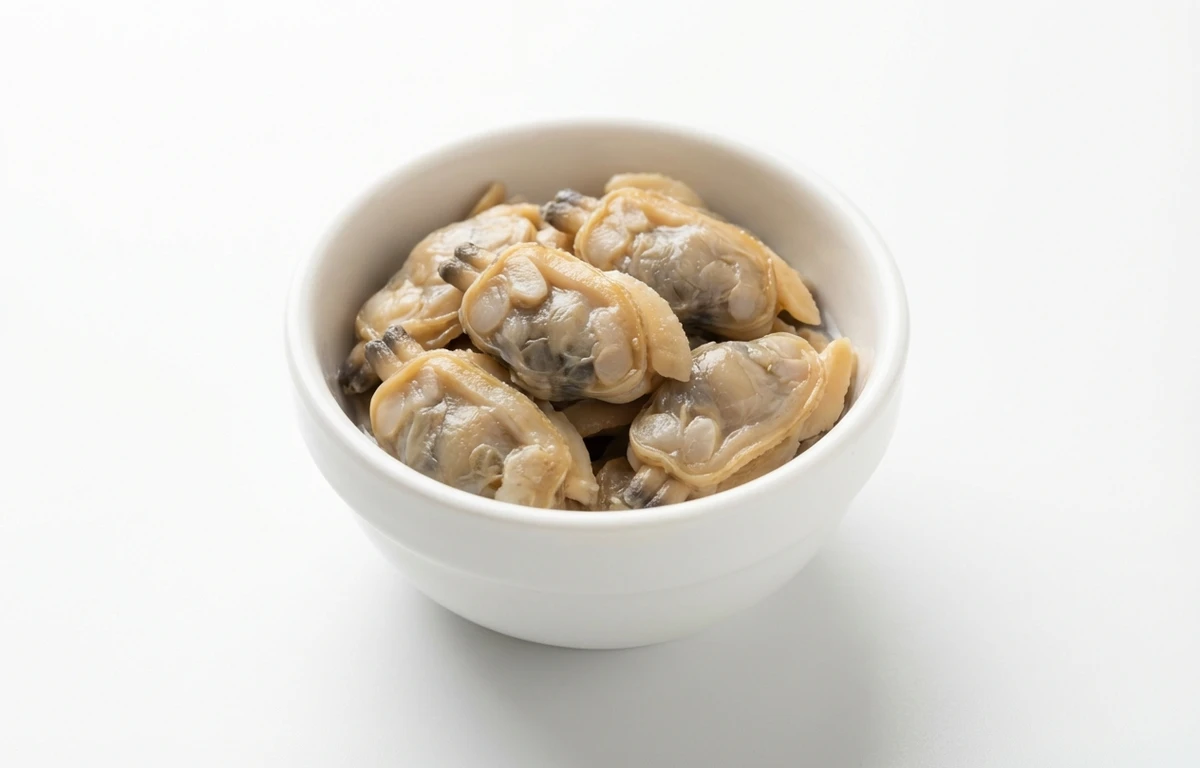
canned clam.
VegetarianVeganGluten-freeDairy-freeNut-freePeanut-freeSoy-freeEgg-freeShellfish-freeHoney-freeAlcohol-freeKosher
ALSO KNOWN AS
tinned clamcanned clamstinned clams
SERVING
CALORIES
148
PROTEIN
25.5g
CARBS
5.1g
FAT
2.0g
FIBER
0g
NUTRITION PROFILE · per 100 g
Everything in this ingredient.
MACRONUTRIENTS
Calories148kcal—
Protein25.5g51%
Carbohydrates5.1g2%
Fiber0g0%
Sugar0g0%
Total fat2.0g3%
Saturated fat0.30g2%
Trans fat0g—
Cholesterol67mg22%
Water65g—
MINERALS
Sodium550mg24%
Potassium620mg13%
Calcium92mg7%
Iron28mg156%
Magnesium18mg4%
Phosphorus338mg27%
Zinc2.7mg25%
Copper0.70mg78%
Manganese1.0mg43%
Selenium64µg116%
VITAMINS
Vitamin A160µg18%
Vitamin C22.1mg25%
Vitamin D0µg0%
Vitamin E0.50mg3%
Vitamin K0.50µg0%
Thiamin (B1)0.02mg2%
Riboflavin (B2)0.42mg32%
Niacin (B3)3.4mg21%
Pantothenic acid (B5)0.80mg16%
Vitamin B60.10mg6%
Folate (B9)29µg7%
Vitamin B1298.9µg4121%
%DV based on a 2,000 cal diet. Source: USDA FoodData Central. A dash in the %DV column means there’s no established Daily Value for that nutrient.
MEASUREMENT CONVERSIONS
How much is what.
1 cup160g
1 tablespoon10g
1 oz28.4g
1 lb453.6g
HEALTH BENEFITS
Why eat it.
- ✓Extremely high in Vitamin B12 for nerve health and DNA synthesis
- ✓Excellent source of Iron to help prevent anemia
- ✓High protein content with very low fat for muscle maintenance
- ✓Rich in Omega-3 fatty acids which support heart health
- ✓Good source of Selenium, a powerful antioxidant
COOKING TIPS
In the kitchen.
- 1Add canned clams at the very end of the cooking process to prevent them from becoming rubbery
- 2Do not discard the liquid in the can; it is a flavorful clam juice perfect for sauces and soups
- 3Rinse the clams briefly under cold water if you need to strictly control sodium intake
STORAGE
Keep it fresh.
- Store unopened cans in a cool, dry place for up to 2-5 years
- Once opened, transfer clams and liquid to a glass or plastic container and refrigerate
- Use refrigerated canned clams within 2 to 3 days for best quality
FAQ
Frequently asked questions.
How long do canned clams last after opening?
Once opened, canned clams should be transferred to an airtight container and refrigerated. They will stay fresh for 2 to 3 days.
Can I freeze canned clams?
Yes, you can freeze them. Remove them from the can, place them in a freezer-safe bag or container with their juice, and freeze for up to 3 months.
What is a good substitute for canned clams?
Fresh clams are the best substitute, but you can also use canned mussels, chopped shrimp, or even diced firm white fish in most recipes.
Do I need to cook canned clams?
No, canned clams are already cooked during the canning process. They only need to be heated through in your dish.
Are canned clams high in mercury?
Clams are generally very low in mercury compared to larger fish, making them a safer seafood choice for regular consumption.
Should I drain canned clams before using?
It depends on the recipe. Many recipes, like clam chowder or linguine, utilize the liquid (clam juice) for extra flavor. If the recipe doesn't call for liquid, drain them.
How can I tell if a can of clams has gone bad?
Avoid cans that are leaking, rusted, severely dented, or bulging. If the clams have an off-smell or the liquid is unusually cloudy after opening, discard them.
Are canned clams as nutritious as fresh ones?
Yes, they retain most of their nutritional value, including high levels of Vitamin B12 and Iron, though they are higher in sodium due to the canning process.
What are the most common dishes made with canned clams?
They are most commonly used in New England Clam Chowder, Linguine with White Clam Sauce, clam fritters, and seafood dips.
RECIPES
Cook with canned clam.
1 recipes · sorted by what’s quick



















