
Seafood10 recipes
canned light tuna in oil.
VegetarianVeganGluten-freeDairy-freeNut-freePeanut-freeSoy-freeEgg-freeShellfish-freeHoney-freeAlcohol-free
ALSO KNOWN AS
canned tunatuna
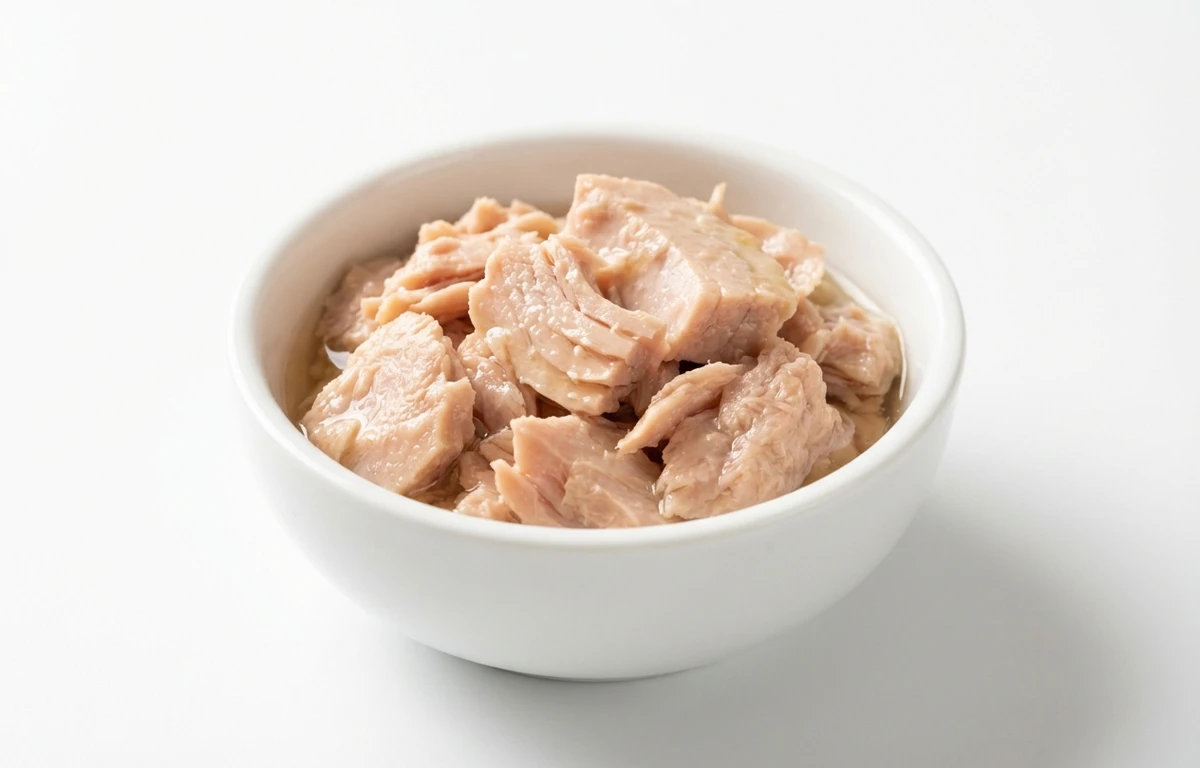
SERVING
CALORIES
198
PROTEIN
29.1g
CARBS
0g
FAT
8.2g
FIBER
0g
NUTRITION PROFILE · per 100 g
Everything in this ingredient.
MACRONUTRIENTS
Calories198kcal—
Protein29.1g58%
Carbohydrates0g0%
Fiber0g0%
Sugar0g0%
Total fat8.2g11%
Saturated fat1.5g8%
Cholesterol18mg6%
Water59.8g—
MINERALS
Sodium416mg18%
Potassium207mg4%
Calcium13mg1%
Iron1.4mg8%
Magnesium31mg7%
Phosphorus311mg25%
Zinc0.90mg8%
Copper0.07mg8%
Manganese0.02mg1%
Selenium76µg138%
VITAMINS
Vitamin A23µg3%
Vitamin C0mg0%
Vitamin D6.7µg34%
Vitamin E0.87mg6%
Vitamin K44µg37%
Thiamin (B1)0.04mg3%
Riboflavin (B2)0.12mg9%
Niacin (B3)12.4mg78%
Pantothenic acid (B5)0.37mg7%
Vitamin B60.11mg6%
Folate (B9)5.0µg1%
Vitamin B122.2µg92%
%DV based on a 2,000 cal diet. Source: USDA FoodData Central. A dash in the %DV column means there’s no established Daily Value for that nutrient.
MEASUREMENT CONVERSIONS
How much is what.
1 cup146g
1 tablespoon9.1g
1 teaspoon3g
1 ml0.6g
1 liter608.3g
1 piece55g
HEALTH BENEFITS
Why eat it.
- ✓Excellent source of high-quality, complete protein, essential for muscle building, repair, and satiety.
- ✓Rich in omega-3 fatty acids (EPA and DHA), which support heart health, reduce inflammation, and promote brain function.
- ✓Good source of selenium, a powerful antioxidant that supports immune function and thyroid health.
- ✓Provides Vitamin D, which is crucial for bone health and calcium absorption.
COOKING TIPS
In the kitchen.
- 1The oil in the can is flavorful and can be used as a base for salad dressings or incorporated into pasta sauces for added richness.
- 2For a leaner dish, drain the tuna well by pressing it against the lid or in a fine-mesh sieve before using.
- 3Since canned tuna is already cooked, add it at the very end of cooking hot dishes like casseroles or sauces to prevent it from becoming dry and tough.
- 4Gently flake the tuna with a fork to maintain its texture in salads and sandwiches; avoid over-mixing which can result in a pasty consistency.
STORAGE
Keep it fresh.
- Store unopened cans in a cool, dark, dry place like a pantry for up to 3-5 years; always check the 'best by' date.
- Once opened, transfer any unused tuna and its oil to an airtight container, refrigerate promptly, and consume within 2-3 days.
FAQ
Frequently asked questions.
Is canned light tuna in oil healthy?
Yes, it is a nutrient-dense food providing high-quality protein, Vitamin D, and heart-healthy omega-3 fatty acids. While it is higher in calories than water-packed tuna, the oil helps with the absorption of fat-soluble vitamins and provides satiety. It is also an excellent source of selenium, which supports immune and thyroid health.
How much protein is in canned light tuna in oil?
Canned light tuna in oil is a protein powerhouse, containing approximately 29.13g of protein per 100g. This makes it an ideal food for muscle building, tissue repair, and maintaining fullness throughout the day.
Is canned light tuna in oil keto-friendly?
Yes, it is highly keto-friendly because it contains 0g of carbohydrates and is rich in both protein and fats. The oil packing adds healthy fats that help individuals meet their daily macronutrient goals on a ketogenic or low-carb diet.
Is it safe to eat canned light tuna every day?
While 'light' tuna (typically skipjack) is lower in mercury than 'white' (albacore) tuna, it is generally recommended to limit consumption to 2-3 servings per week. This helps minimize potential mercury exposure while still reaping the benefits of its omega-3 content.
Do I need to drain the oil from the can before eating?
Draining is optional and depends on your recipe and caloric goals. The oil is infused with tuna flavor and can be used as a base for salad dressings or pasta sauces, but removing it will significantly reduce the total calorie and fat content of the meal.
Is canned light tuna in oil gluten-free?
Pure canned tuna in oil is naturally gluten-free. However, you should always check the ingredient label for added vegetable broths or seasonings, as some additives may contain hidden sources of gluten.
How should I store leftover canned tuna?
Once opened, never store the tuna in the original metal can. Transfer the leftovers to an airtight glass or plastic container and keep them in the refrigerator for no more than 2 to 3 days.
How can I tell if canned tuna has gone bad?
Discard the tuna if it has a pungent, sour, or unusually metallic smell, or if the meat appears discolored or slimy. Additionally, never open or consume tuna from a can that is bulging, leaking, or severely dented.
What is the difference between 'light' tuna and 'white' tuna?
'Light' tuna usually comes from skipjack or yellowfin species and has a darker color and stronger flavor. It is generally preferred for its lower mercury content compared to 'white' tuna, which comes from albacore.
Can I eat canned light tuna in oil straight from the can?
Yes, canned tuna is fully cooked during the canning process and is safe to eat immediately upon opening. It is a convenient, 'ready-to-eat' protein source for salads, sandwiches, or quick snacks.
RECIPES
Cook with canned light tuna in oil.
10 recipes · sorted by what’s quick



















